Palms
Howea, Genus, forsteriana, Species,
- Genus & species
Kentia palm
Overview
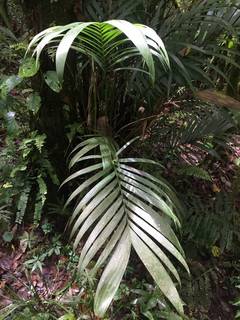
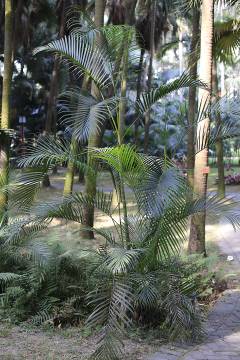
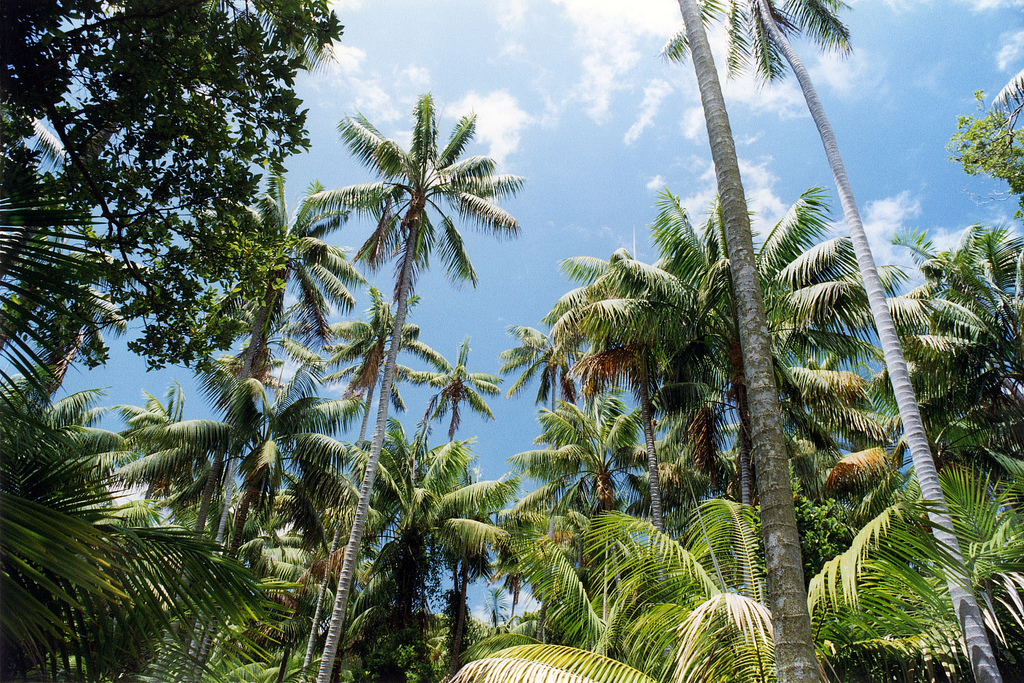
Howea forsteriana is a single-stemmed, evergreen feather palm with a slender, ringed trunk and an arching crown of 7–10 pinnate fronds. Outdoors, mature plants reach 25–40 feet (7.6–12 m) tall and 8–15 feet (2.4–4.6 m) wide, with trunks 6–10 inches (15–25 cm) in diameter. Indoors, plants in containers remain at 6–12 feet (1.8–3.7 m). Fronds are 6–10 feet (1.8–3 m) long, dark green, with narrow, drooping leaflets 12–20 inches (30–50 cm) long arranged in a single plane along the rachis. Flower spikes are 2–3 feet (60–90 cm) long, cream to pale yellow, and are followed by ovoid fruits 1.2–1.6 inches (3–4 cm) long that ripen from green to red-brown. Growth is slow, at 6–12 inches (15–30 cm) of height per year, and seed germination takes 6–12 months. Plants are damaged below about 25°F (-4°C) and by salt-laden winds only in exposed sites, and roots rot in wet, poorly drained soil.
Native Range
Native to Lord Howe Island, a small volcanic island in the Tasman Sea about 370 miles (600 km) east of Australia, where it grows in lowland forest on calcareous and volcanic soils.Suggested Uses
Used as an indoor specimen palm in containers 15–25 inches (38–63 cm) wide, and outdoors in shaded courtyards and tropical plantings, spaced 6–8 feet (1.8–2.4 m) apart. Grown in low-light interiors of homes and commercial buildings.How to Identify
Appearance
Size & Dimensions
Height6' - 40'
Width/Spread8' - 15'
Colors
Bloom Information
Flowers open in spring to early summer on spikes 2–3 feet (60–90 cm) long that hang below the crown, and plants begin flowering at 8–15 years. Individual flowers are small, cream to pale yellow, and monoecious, with male and female flowers on the same spike. Fruit ripens over 12–15 months. Indoor plants seldom flower.
Detailed Descriptions
Flower Description
Cream to pale yellowFoliage Description
Dark greenGrowing Conditions
Sun Requirements
Needs bright indirect light. Keep it out of direct sun, which can scorch the leaves.
• Bright indirect light: a bright spot near a window, with no direct sun on the leaves
Care & Maintenance
Care Guide
Grows in bright indirect light to part shade indoors and in shade to part sun outdoors (2–6 hours of direct sun), and tolerates lower light than most palms. Requires loose, well-drained soil with a pH of 6.0–7.5. Hardy in USDA zones 9–11 outdoors, with foliage damage near 25°F (-4°C). Plants receive about 1 inch (2.5 cm) of water per week, and the top 2 inches (5 cm) of potting mix is allowed to dry between waterings. Fertilizer is applied twice a year with a slow-release palm formulation. Spider mites and scale insects occur on indoor plants in dry air.Pruning
Only fully brown fronds are removed, cut close to the trunk, since green fronds supply nutrients to the plant. The growing point is at the crown and is never cut, as palms cannot resprout from the trunk. Spent flower spikes and old fruiting stalks can be removed at the base.Pruning Schedule
Prune: March–April
early spring
Container Growing
Suitable for container growing
Minimum container size: 10 gallons