Image 1 of 10
Plant Reference
1 / 10
Chamaedorea, Genus, elegans, Species,
- Genus & species
parlor palm
Native to Mexico and Guatemala growing in tropical rainforest understory at low to moderate elevations under closed canopy where ambient light levels run very low
Overview
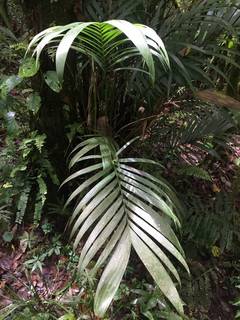
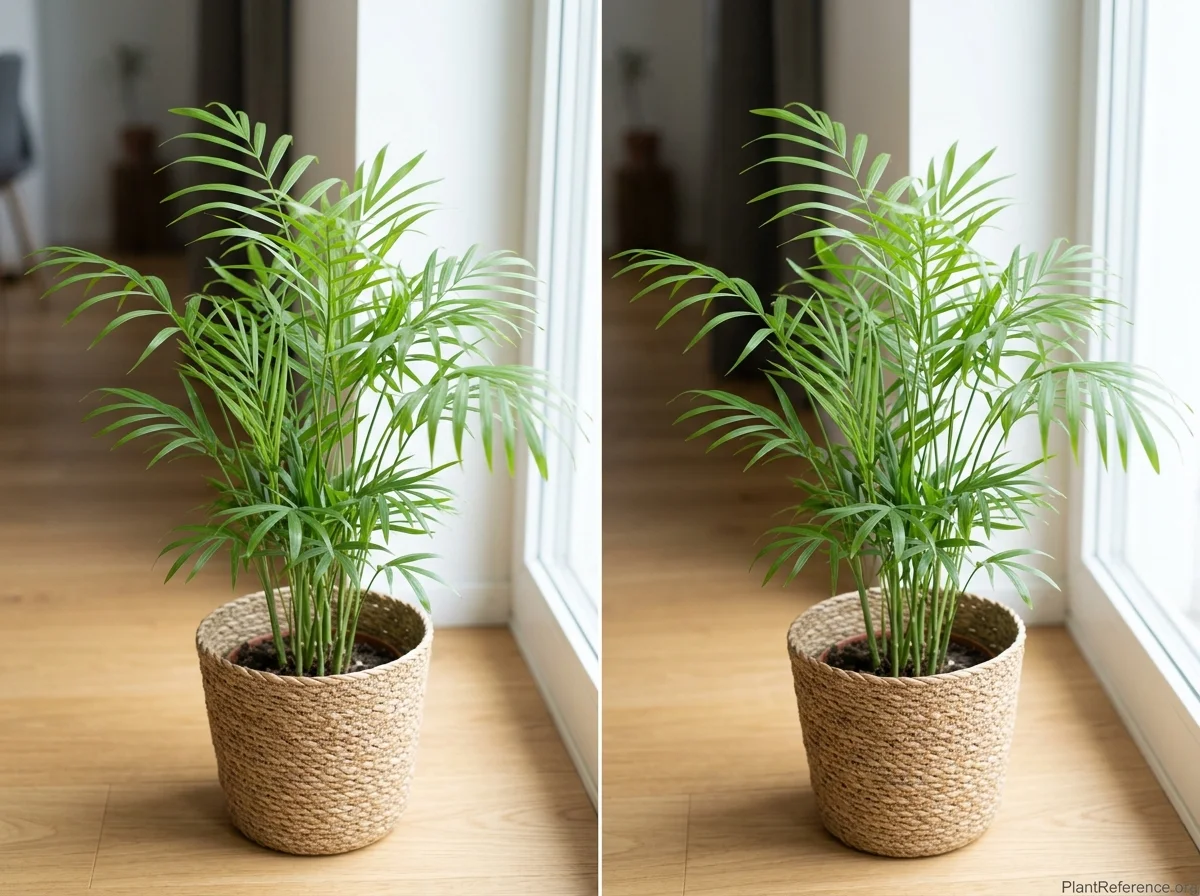
Chamaedorea elegans is the parlor palm — the most popular indoor palm in the world and the species responsible for launching the Victorian houseplant craze of the late 1800s when the species's tolerance of dim parlor (living-room) conditions made indoor palm cultivation widely accessible to middle-class households. Plants reach 24–48 inches (60–120 cm) tall indoors and grow as compact slow-developing palms with bright green delicate pinnate (feather-shaped) fronds carrying many small narrow leaflets along each rachis. The genus name Chamaedorea translates as 'low gift', referencing the species's natural growth as a low ground-level palm in the rainforest understory. The 'parlor palm' common name dates to the Victorian-era fashion for keeping the species in residential parlors as decorative interior greenery, and the name has remained the standard English common name across the 130+ years since. The species runs as the most low-light tolerant palm in regular indoor cultivation — adapted to the dim rainforest floor where direct sunlight rarely penetrates the canopy, the species accepts indoor light levels far below what other indoor palms (Howea forsteriana kentia palm, Dypsis lutescens areca palm) require. The species runs non-toxic to humans and pets, suiting the plant to households with cats, dogs, and young children. Mature plants may produce small yellow flower sprays indoors, an occurrence that runs less common with many other indoor palms. Nursery production typically pots multiple seedlings together as multi-stemmed clumps for fuller initial appearance. The species runs sensitive to overwatering — let the top inch (2.5 cm) of potting mix dry between waterings to prevent root rot. Avoid direct sun on indoor specimens — direct sunlight scorches the leaflets and turns the foliage from bright green to yellowed or brown.
Native Range
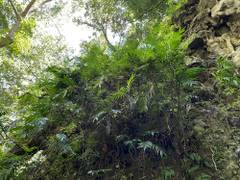
Chamaedorea elegans is native to Mexico and Guatemala, growing in tropical rainforest understory at low to moderate elevations under closed canopy where ambient light levels run very low.Suggested Uses
Used in any indoor setting where standard houseplant tropical species would face inadequate light — the species's strong low-light tolerance suits the plant to bathrooms, bedrooms, north-facing offices, basement living spaces, and other dim indoor positions where most houseplants decline. Suits households with cats, dogs, and young children due to the non-toxic status. Container culture in 3–10 gallon pots covers the species's full indoor size range from juvenile tabletop specimen to mature 4-foot floor-standing plant. The Victorian-era association gives the species a historical dimension — the parlor palm runs as part of the late-1800s decorative-arts revival of indoor tropical plant cultivation, and the species's continued availability across modern indoor-plant retail channels reflects 130+ years of stable horticultural production.How to Identify
Appearance
Size & Dimensions
Height2' - 4'
Width/Spread1'6" - 3'
Bloom Information
Mature plants (5+ years old) may produce small yellow flower sprays in spring, an occurrence that runs less common in indoor cultivation than in greenhouse or outdoor production but does occur on well-grown specimens. The flower sprays carry minor ornamental value secondary to the foliage display and may be removed if undesired. Indoor flowering does not produce viable seed in most cases due to the absence of cross-pollination partners.
Detailed Descriptions
Flower Description
Yellow; small flower sprays in branching clusters (occasional indoors on mature plants)Foliage Description
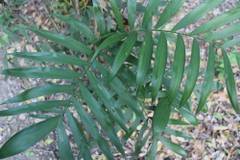
Bright green; delicate pinnate (feather-shaped) fronds with many small narrow leaflets along each rachisGrowing Conditions
Sun Requirements
Requires 1-6 hours of direct sunlight daily
• Full Sun: 6+ hours of direct sunlight
• Partial Shade: 3-6 hours of direct sunlight
• Full Shade: Less than 3 hours of direct sunlight
Care & Maintenance
Care Guide
Place in low to bright indirect light — the species runs adapted to deep rainforest understory and accepts indoor light levels well below what most houseplants tolerate. Avoid direct sun — direct sunlight scorches the leaflets and turns the foliage from bright green to yellowed or brown. Water when the top 1 inch (2.5 cm) of potting mix dries; avoid overwatering — root rot from chronic wet conditions runs as the principal cause of indoor decline for the species. Standard houseplant potting mix at pH 6.0–7.0 suits the plant. The species runs slow-growing and reaches mature size in 3–5 years from young nursery stock. Non-toxic to humans, cats, and dogs. Maintain humidity above 40 percent for optimal growth; the species tolerates lower humidity but produces brown leaflet tips in dry conditions.Pruning
Remove yellowing or browned lower fronds at the base by cutting the petiole flush with the trunk. Remove flower sprays if undesired. The species does not require structural pruning beyond senescent-frond removal.Container Growing
Suitable for container growing
Minimum container size: 3 gallons