Hibiscus, Genus, mutabilis, Species,
- Genus & species
Confederate rose
Overview
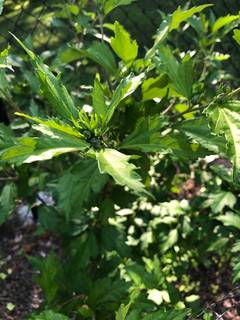
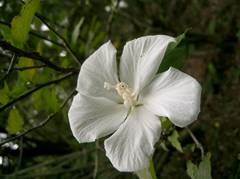
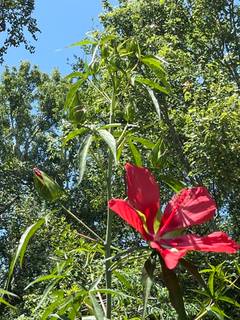
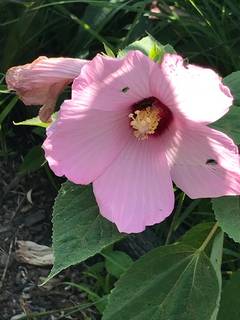
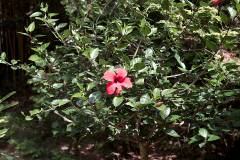
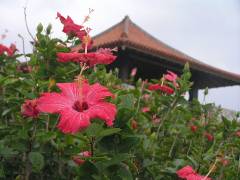
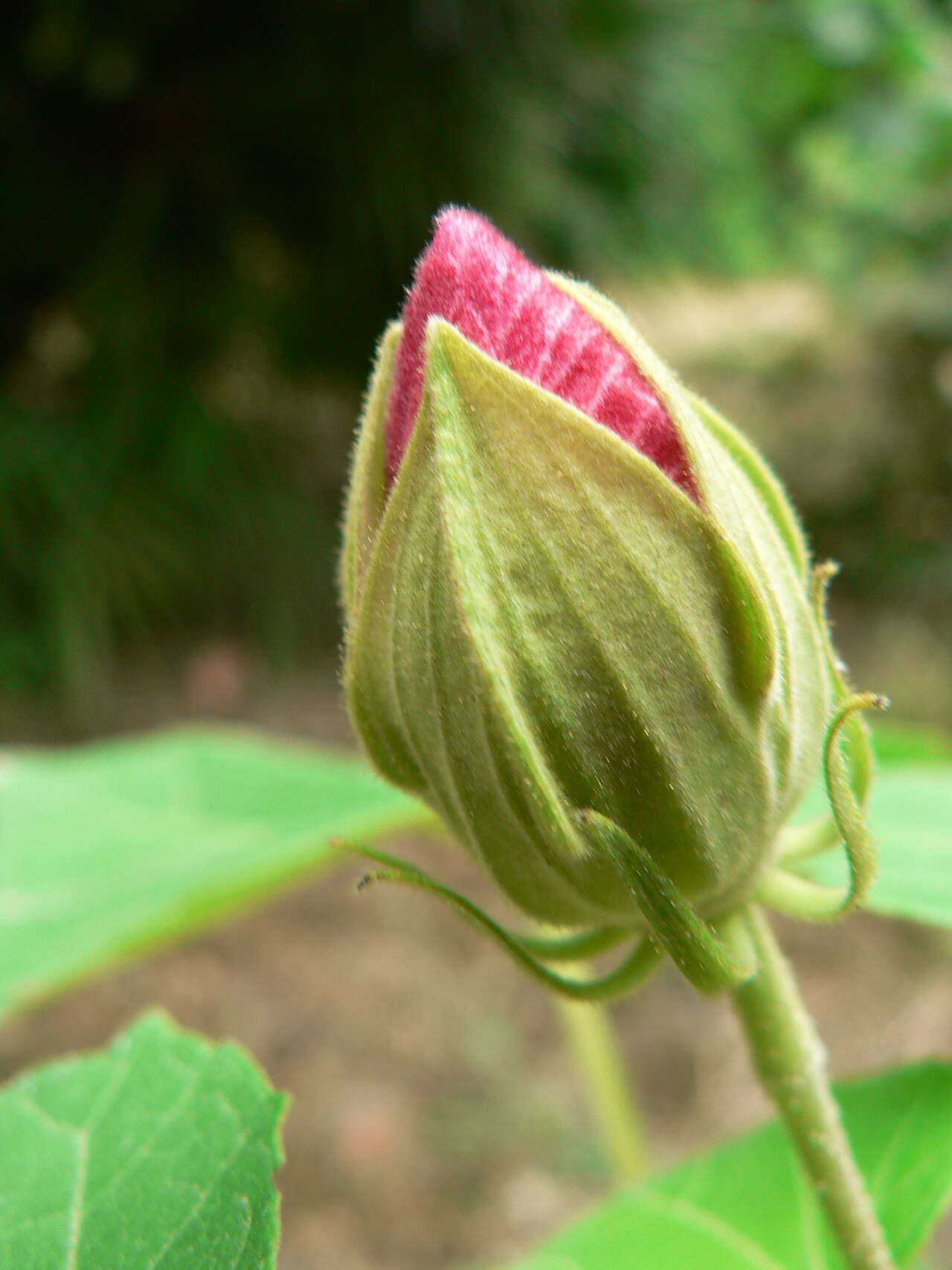
Hibiscus mutabilis is a deciduous shrub or small tree reaching 6-15 feet (1.8-4.5 m) tall and 6-10 feet (1.8-3 m) wide, multi-stemmed from the base and covered in dense soft hairs on stems, leaves, and buds. Leaves are alternate, broadly ovate with 3-7 shallow lobes, 4-10 inches (10-25 cm) across, and velvety on both surfaces. Flowers are 4-6 inches (10-15 cm) across, single or double, opening white to pale pink in the morning and turning rose and then deep red by evening; each flower lasts one day, so a plant carries all three colour stages at once through the flowering period. Bloom runs from August to November, set off by shortening days, and ends with the first hard frost. Seed capsules are round, about 1 inch (2.5 cm) across and covered in brown hairs, splitting to release seeds wrapped in white cotton-like fibres. Stems are killed to the ground at 20F (-7C) while the root crown survives to about 5F (-15C), so plants in USDA zone 7 behave as herbaceous perennials and regrow 6-8 feet (1.8-2.4 m) in a season. Aphids and whiteflies build on the soft new growth, and flower numbers fall away in shade below 4 hours of direct sun.
Native Range
Hibiscus mutabilis is native to southern China, where it grows on stream banks and in open lowland scrub. It has been cultivated for centuries in China and Japan and reached the southeastern United States by the 18th century, where it is grown from Virginia to Texas. Naturalized populations occur in parts of Southeast Asia, Central America, and the Caribbean.Suggested Uses
Planted at 8-10 foot (2.4-3 m) spacing in shrub borders and as a summer screen across the southeastern United States, coastal Australia, and southern China, where the autumn bloom follows the summer-flowering shrubs. Grown in containers of 15 gallons (57 L) or larger that can be moved into a frost-free space over winter in zone 6 and colder. Cuttings 8-12 inches (20-30 cm) long root in water within 3-4 weeks, and the species is widely passed between gardeners by that route.How to Identify
Appearance
Size & Dimensions
Height6' - 15'
Width/Spread6' - 10'
Bloom Information
Flowering runs August to November in USDA zones 8-10 and from September until the first frost in zone 7, over a period of 8-12 weeks. Buds form as day length drops below about 13 hours, so a plant cut back late in the season still flowers on the regrowth where 10-12 frost-free weeks remain. Each flower opens at dawn and closes by the following morning, having moved from white or pale pink through rose to deep red. Bumblebees and carpenter bees work the flowers, and ruby-throated hummingbirds visit them in the southeastern United States.
Detailed Descriptions
Flower Description
Opening white to pale pink, deepening to rose-red within a dayFoliage Description
Mid green, velvety on both surfacesGrowing Conditions
Sun Requirements
Requires 4-10 hours of direct sunlight daily
• Full Sun: 6+ hours of direct sunlight
• Partial Shade: 3-6 hours of direct sunlight
• Full Shade: Less than 3 hours of direct sunlight
Care & Maintenance
Care Guide
Flowering is heaviest at 6 or more hours of direct sun, with bloom counts halved below 4 hours. Soil that holds moisture at pH 5.5-7.5 suits the plant, and leaves wilt in the afternoon on sandy ground during dry spells. Water at 1-2 inches (25-50 mm) per week through summer, since the large leaves lose water quickly above 90F (32C). A balanced fertilizer at 1 ounce per square yard (30 g per square meter) in early spring and again in midsummer carries the growth that bears the flowers. Aphids, whiteflies, and spider mites colonise the soft foliage, and Japanese beetles strip leaves in the eastern United States from June to August. Stems die at 20F (-7C) while the crown survives to about 5F (-15C), and a 4-6 inch (10-15 cm) mulch layer over the root zone carries plants through zone 7 winters.Pruning
Cutting stems back to 12-18 inches (30-45 cm) in late winter, before growth resumes, clears frost-damaged wood and holds the plant to 6-8 feet (1.8-2.4 m) for the season. Flowers form on current-season growth, so this cut does not remove the autumn bloom. In zones 7 and 8, stems killed by frost are cut to ground level and the crown regrows from below. Pinching the shoot tips in June produces more branches and a denser plant, at the cost of delaying bloom by 1-2 weeks.Pruning Schedule
Prune: February–March
early spring
Container Growing
Suitable for container growing
Minimum container size: 15 gallons