Hibiscus, Genus, spp., Multiple species,
- Genus
- Multiple species
hibiscuses
Tropical, subtropical, and warm temperate regions worldwide
Overview
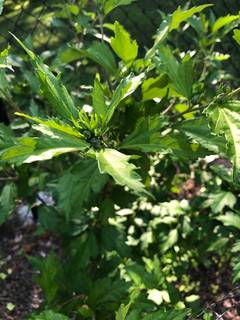
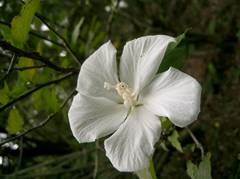
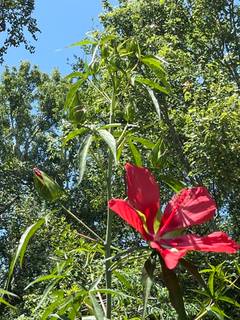
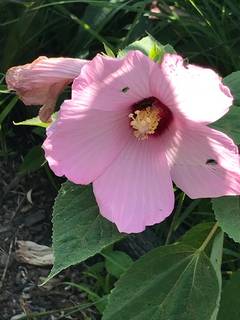
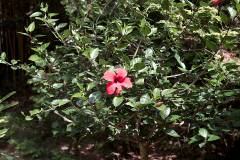
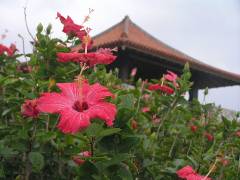
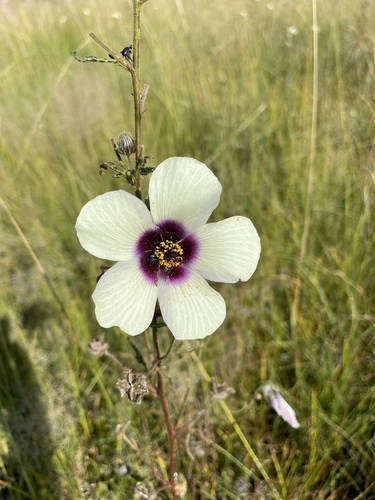
Hibiscus is a genus of roughly 200 to 300 species of annuals, herbaceous perennials, shrubs, and small trees in the mallow family, Malvaceae, distributed across tropical, subtropical, and warm temperate regions. Plants range from 1 to 15 feet (0.3 to 4.5 m) tall depending on the species, from frost-tender tropicals such as H. rosa-sinensis to cold-hardy types such as H. moscheutos and the woody H. syriacus. The flowers are funnel-shaped with five overlapping petals and a long central staminal column carrying the fused stamens and stigma, measuring 2 to 10 inches (5 to 25 cm) across in red, pink, white, yellow, orange, and purple. Individual flowers last about one day, but plants open new flowers in succession over many weeks. Leaves are alternate, often toothed or lobed, 2 to 6 inches (5 to 15 cm) long, and either deciduous or evergreen according to species and climate. Most species flower from summer into fall. Hibiscus grows across USDA zones 4 to 11 taken as a whole, though any single species occupies a much narrower range. The genus needs full sun and steady moisture to flower; hardy types die back to the ground each winter, while tropical types are killed by frost.
Native Range
Native across tropical, subtropical, and warm temperate regions worldwide, including parts of Asia, Africa, the Pacific Islands, and the Americas. Some species, such as H. moscheutos, are native to North American wetlands, while others originate in East Asia and the tropics.Suggested Uses
Used as flowering shrubs, perennial border plants, hedges, and container specimens depending on the species. Tropical types are grown in pots on patios and overwintered indoors in cold regions, while hardy perennials are planted in mixed and rain-garden borders. Several species are grown for edible flowers and calyces used in teas.How to Identify
Appearance
Size & Dimensions
Height1' - 15'
Width/Spread1' - 10'
Bloom Information
Most species bloom from summer into fall, with individual flowers opening for about one day and then replaced by new buds in succession. Tropical species in frost-free climates flower nearly year-round. The continuous succession of short-lived flowers sustains the display over many weeks.
Detailed Descriptions
Flower Description
red, pink, white, yellow, orange, or purpleFoliage Description
greenGrowing Conditions
Sun Requirements
Requires 6-8 hours of direct sunlight daily
• Full Sun: 6+ hours of direct sunlight
• Partial Shade: 3-6 hours of direct sunlight
• Full Shade: Less than 3 hours of direct sunlight
Water & Climate
Water Needs
Care & Maintenance
Care Guide
Grows in full sun, with most species tolerating light afternoon shade in hot climates. Moist, well-drained soil suits the genus; hardy perennial types tolerate wet ground, while tropical types need good drainage. Steady moisture during the growing season supports continuous flowering, and drought stress drops buds. A balanced fertilizer through the warm months sustains growth and bloom. Hardy herbaceous species die to the ground over winter and regrow from the crown in late spring, while tropical species are damaged below about 32F (0C) and are often grown in containers moved under cover. Cold tolerance ranges from USDA zone 4 for the hardiest perennials to zone 11 for tropical types.Pruning
Hardy herbaceous species are cut back to a few inches above the ground after frost kills the top growth, with new shoots emerging in late spring. Woody species such as H. syriacus are pruned in late winter to shape the plant and control size, since they bloom on new wood. Tropical H. rosa-sinensis is trimmed lightly after flushes to maintain form.Pruning Schedule
Prune: February–March
winterearly spring
Container Growing
Suitable for container growing
Minimum container size: 5 gallons