Heuchera, Genus, chlorantha, Species,
- Genus & species
tall alumroot
Overview
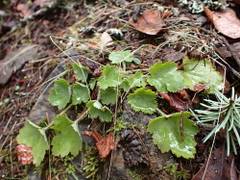
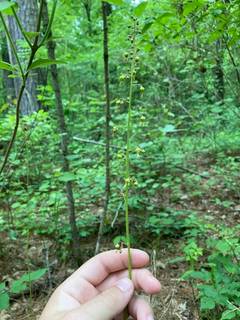
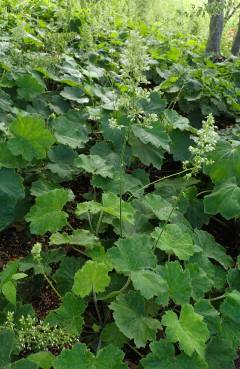
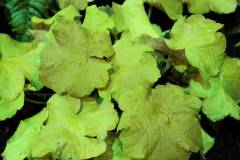
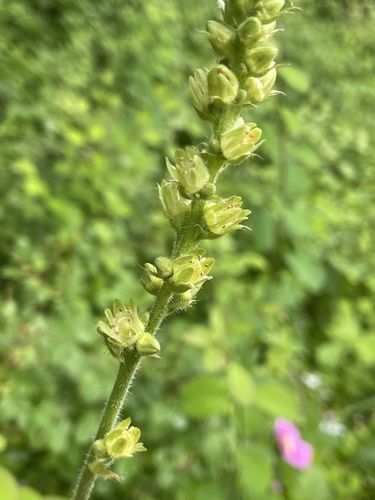
Heuchera chlorantha is a clump-forming perennial reaching 24-36 inches (60-90 cm) tall in flower with basal foliage 6-10 inches (15-25 cm) high. Leaves rounded to broadly ovate, 2-4 inches (5-10 cm) wide, with 5-7 shallow lobes and toothed margins, dark green with a leathery texture, evergreen in mild coastal climates and semi-evergreen inland. Flowering stems rise 24-36 inches (60-90 cm) above the foliage from May through July, bearing narrow panicles of small greenish-white to pale yellow-green bell-shaped flowers about 0.2 inch (5 mm) long. Spreads slowly from short rhizomes and develops a basal crown that increases in diameter by 1-2 inches (2.5-5 cm) per year. Older crowns hollow out from the center after 4-6 years and lose vigor. Flower stems can flop in heavy rain or in shade deeper than dappled. Leaves yellow at the margins in full sun in interior valleys and may scorch where soils dry below the root zone.
Native Range
Native to the Pacific Northwest from southwestern British Columbia through western Washington and Oregon. Occurs in moist coniferous forests, streambanks, and moist meadows from sea level to 4,500 feet (1,370 m).Suggested Uses
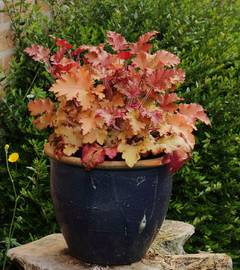
Planted in moist woodland borders and shaded rain gardens at 12-15 inch (30-38 cm) spacing. Used in PNW native plant landscapes alongside ferns and sedges. Grows in containers of at least 2 gallons (7.5 L) with consistently moist potting mix; struggles in containers smaller than 1 gallon (3.8 L) due to rapid soil drying.How to Identify
Appearance
Size & Dimensions
Height2' - 3'
Width/Spread1' - 1'6"
Bloom Information
May through July across most of its native range, with peak bloom in June. In zones 8-9 along the coast, flowering may begin in late April. Individual panicles open over 3-4 weeks; the total stand bloom period spans 6-8 weeks. Cool overcast springs extend bloom by 1-2 weeks.
Detailed Descriptions
Flower Description
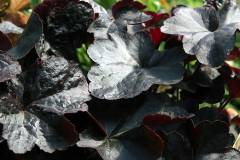
Greenish-white to pale yellow-greenFoliage Description
Dark green, leatheryGrowing Conditions
Sun Requirements
Requires 2-4 hours of direct sunlight daily
• Full Sun: 6+ hours of direct sunlight
• Partial Shade: 3-6 hours of direct sunlight
• Full Shade: Less than 3 hours of direct sunlight
Care & Maintenance
Care Guide
Establishes within one growing season when planted in spring or early fall and watered weekly through the first summer. Mature plants tolerate 2-3 weeks without supplemental water in coastal climates; interior plantings benefit from a deep weekly soak in July and August. Foliar nematodes can cause angular brown patches between leaf veins in damp shaded conditions; affected leaves are removed at the base. Crowns lift above the soil line over time and are reset 1-2 inches (2.5-5 cm) deeper every 4-5 years to prevent winter heaving. Slugs feed on emerging spring growth in wet seasons. Vine weevil larvae occasionally damage roots in container culture.Pruning
Spent flower stalks are cut at the base in August to redirect energy to the crown and reduce self-seeding. Tattered or scorched leaves are removed at the base any time during the growing season. Divide crowns in early spring or September every 4-5 years when flowering declines or when the center of the clump opens.Pruning Schedule
Prune: August
summer
Container Growing
Suitable for container growing
Minimum container size: 2 gallons