Heuchera, Genus, 'Amber Waves', Cultivar,
- Genus
- Cultivar
amber waves coral bells
Overview
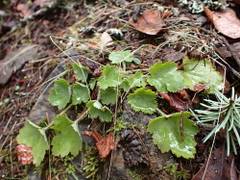
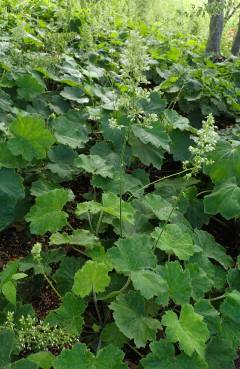
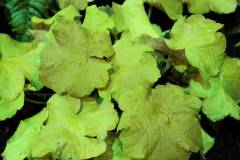
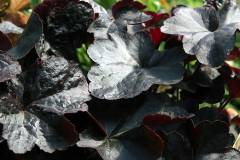
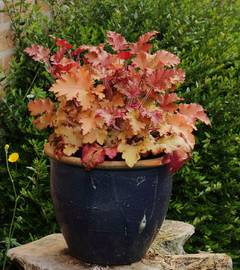
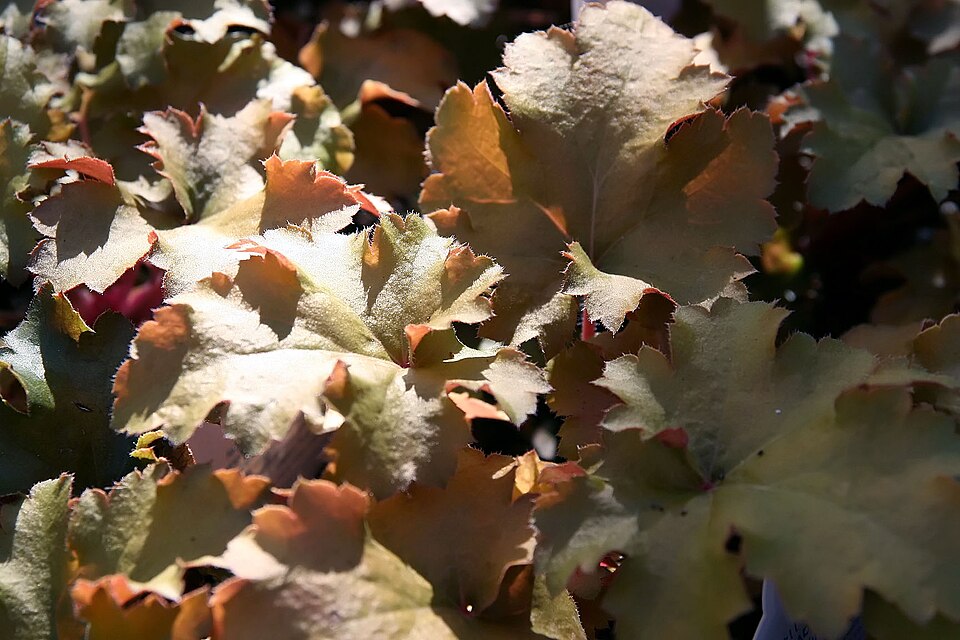
Heuchera 'Amber Waves' is a clump-forming evergreen to semi-evergreen perennial reaching 8-10 inches (20-25 cm) tall in foliage and 18-24 inches (45-60 cm) tall in bloom, forming a basal mound 12-18 inches (30-45 cm) wide. Foliage is the primary feature: rounded, lobed, ruffled leaves measure 3-4 inches (7.5-10 cm) across in amber-gold to caramel tones above bronze-pink undersides, with new spring growth emerging chartreuse-yellow and aging to deeper amber by summer. Tiny pink bell-shaped flowers measure 0.25 inch (6 mm) long, carried in airy panicles on slender stems above the foliage from late spring through early summer. Plants are hardy through USDA zones 4-9 and were introduced by Terra Nova Nurseries in 2002 as one of the early gold-foliage breakthroughs in Heuchera hybridizing. Foliage color intensity depends on light exposure: amber tones develop most strongly in 4-6 hours of morning sun in zones 5-7, while afternoon shade is required in zones 8-9 to prevent leaf scorch. Crowns lift out of the soil over 3-4 years (a behavior known as crown heave) and benefit from re-setting at original soil depth. The genus contains tannins that deter mammalian browsing and are non-toxic to humans, dogs, and cats in normal exposure. Foliage may be cut for floral arrangements, with vase life of 7-10 days when stems are conditioned in cool water.
Native Range
The Heuchera genus is native to North America, with most cultivated species (including H. americana, H. villosa, and H. micrantha) ranging from rocky woodland slopes and stream banks across the Appalachian, Rocky Mountain, and Pacific coastal ranges. 'Amber Waves' is a hybrid cultivar bred by Terra Nova Nurseries in Oregon and introduced in 2002, drawing parentage from H. villosa and earlier purple-leaved hybrid lines. The cultivar does not occur in the wild.Suggested Uses
Used in shade and part-shade mixed borders, woodland edges, and container plantings spaced 12-18 inches (30-45 cm) apart, paired with darker-leaved companions such as purple Heuchera cultivars, Hosta, and Athyrium niponicum 'Pictum' for foliage contrast. Used as an edging plant along shaded path borders where the gold foliage carries color through summer and into autumn. Container culture is workable in 1-3 gallon (4-11 L) pots in zones 4-9, with the genus performing well in mixed shade containers; container plants need protection from afternoon sun in all zones.How to Identify
Appearance
Size & Dimensions
Height8" - 2'
Width/Spread1' - 1'6"
Bloom Information
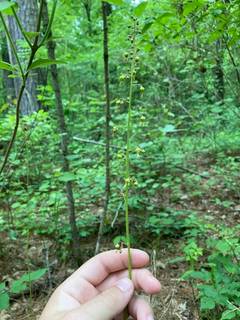
Blooms from late May through early July in zones 5-7, mid-May through June in zones 8-9, and June through mid-July in zones 4. Each established clump produces 6-12 flower stems with airy panicles of 30-60 small bell-shaped flowers per stem opening over 3-4 weeks. Flowers are visited by hummingbirds and small native bees, though the foliage is the primary horticultural feature. Removing spent flower stems at the base after fading redirects energy into foliage development.
Detailed Descriptions
Foliage Description
amber-gold to caramel above bronze-pink undersidesGrowing Conditions
Sun Requirements
Requires 3-6 hours of direct sunlight daily
• Full Sun: 6+ hours of direct sunlight
• Partial Shade: 3-6 hours of direct sunlight
• Full Shade: Less than 3 hours of direct sunlight
Care & Maintenance
Care Guide
Performs in part shade with 4-6 hours of morning sun in zones 5-7, with afternoon shade required in zones 8-9 to prevent leaf scorch on the gold-toned leaves. Soil should be moisture-retentive but well-drained, with pH 6.0-7.0 and high organic matter content; heavy clay or wet winter conditions cause crown rot within 1-2 seasons. Watering needs are once weekly during the first growing season; established plants tolerate 2-3 weeks of dry conditions but show foliage wilting and color fading in extended drought. Crowns lift out of the soil at 0.5-1 inch (1.3-2.5 cm) per year and are re-set at original depth in early spring, removing exposed woody portions to refresh the planting. A balanced 5-5-5 fertilizer applied at 1 oz per square yard in early spring supports foliage color; high-nitrogen formulas produce greener leaves and reduce amber tones. Black vine weevil larvae on roots, foliar nematodes, and powdery mildew in humid summers are the main pressures; weevil infestation is reduced by surface mulches that bury weevil eggs.Pruning
Damaged or winter-burned foliage may be removed at the base in early spring before new growth emerges, taking care not to cut into the central crown. Spent flower stems are cut at the base after the last flower fades, redirecting energy into foliage development. Crowns lifted by frost heave are re-set at original soil depth in early spring, removing exposed woody portions and replanting at the same level as new foliage emergence.Pruning Schedule
Prune: March–April
early spring
Container Growing
Suitable for container growing
Minimum container size: 1 gallons