Heuchera, Genus, villosa, Species, 'Autumn Bride', Cultivar,
- Genus & species
- Cultivar
autumn bride heuchera
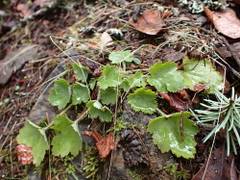
Garden selection from the southeastern United States native species Heuchera villosa, which is native to Virginia south to Georgia and west to Tennessee, occurring on Appalachian cliff faces, rocky outcrops, and forest margins.
Overview
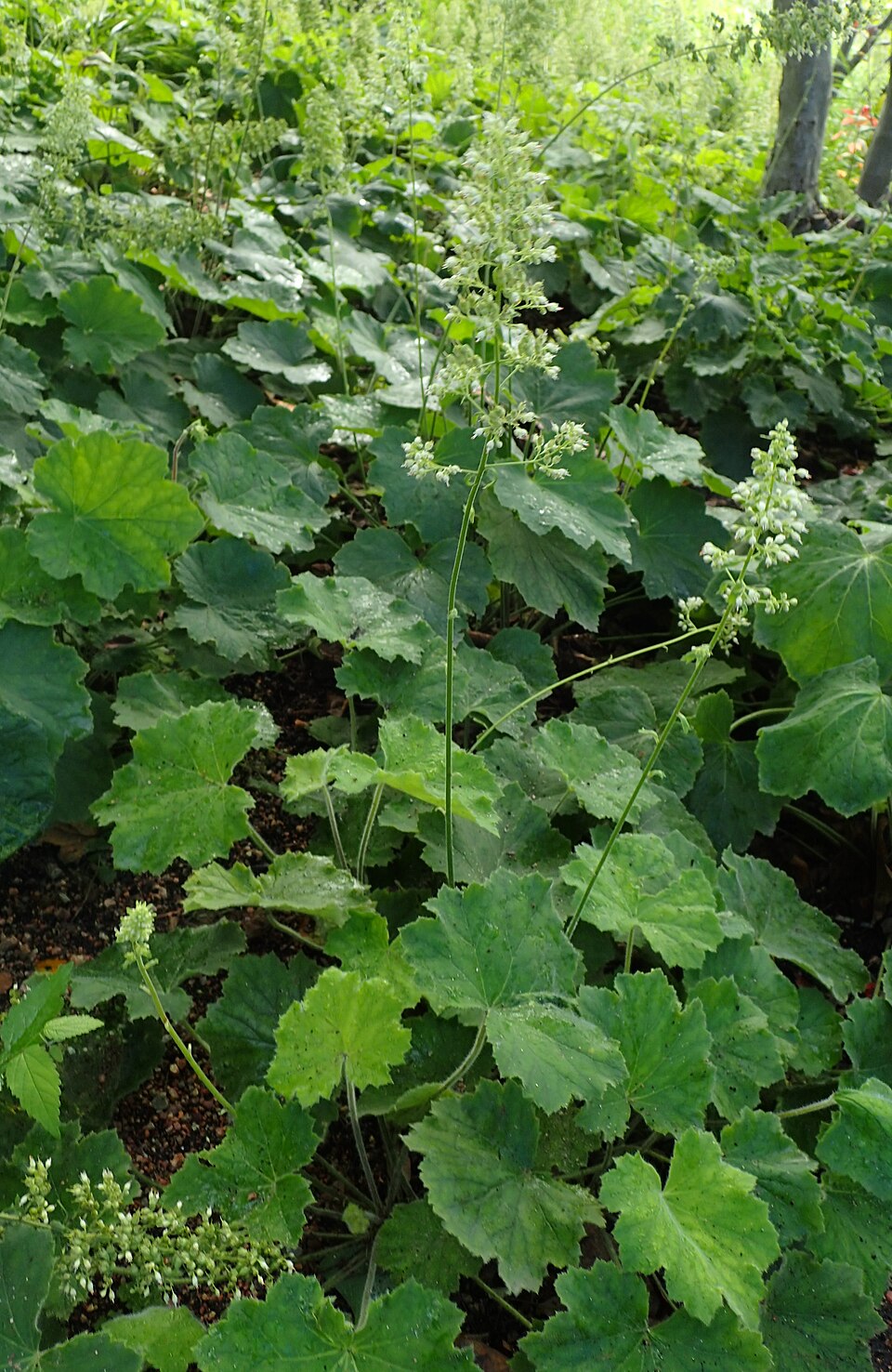
Heuchera villosa Autumn Bride is the heat-and-humidity-tolerant heuchera in commonly available cultivation, and the heuchera most often grown for its flowers as well as its foliage. Plants grow 12-18 inches (30-45 cm) tall as a foliage mound with flower stalks reaching 24-30 inches (60-75 cm) above. Large airy panicles of white to creamy-white flowers appear from August through October across a 6-week active flowering window — a late-summer-into-fall bloom time that is rare among Heuchera species, most of which flower in spring. The flower display is larger, more profuse, and more ornamentally significant than the flowers of any other heuchera species, which is why the cultivar carries the Bride name in its registration. Light green large fuzzy-textured maple-shaped leaves form a substantial foliage mound below the flower stalks, and the species name 'villosa' (Latin for hairy) describes the soft pubescence on the leaves, stems, and petioles that gives the species its tactile and visual texture distinct from the smooth-leaved Heuchera americana, Heuchera sanguinea, and Heuchera micrantha species. Heuchera villosa is the southeastern North American native heuchera, originating from Appalachian cliff faces and forest margins in Virginia, the Carolinas, Georgia, and Tennessee where summer heat and humidity reach levels that kill the western-mountain Heuchera species (H. micrantha and H. cylindrica) when those species are grown in southeastern gardens. The heat tolerance reflects the species' evolution in the warm humid summer climate of the southern Appalachians, and the cultivar is the heuchera most reliably recommended for gardens south of zone 7 where many hybrid heucheras melt out from the heat-humidity combination. The species also tolerates more sun than most other heucheras and grows well in full sun if soil moisture is adequate, which extends the planting positions available beyond the deep-shade limit of most heucheras. Deer avoid the fuzzy foliage, with the dense pubescence acting as a physical deterrent to browsing in addition to whatever chemical deterrent the genus carries.
Native Range
The species Heuchera villosa is native to the southeastern United States, with a range from Virginia south to Georgia and west to Tennessee. The species occurs on Appalachian cliff faces, rocky outcrops, and forest margins in the southern Appalachian mountain range, where the humid summer climate and the rocky-shaded habitat together select for the heat-tolerant pubescent leaf form that distinguishes the species from western-mountain Heuchera species. Autumn Bride is a garden selection from the wild species, chosen specifically for the large white flower panicles that exceed the flower display of typical wild H. villosa material; the foliage and habitat tolerance match the species form.Suggested Uses
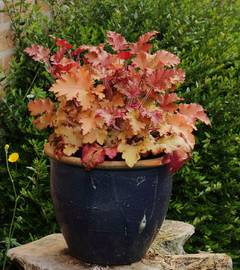
Used in shade gardens, partial-sun gardens, and woodland borders, particularly in the hot humid southeastern United States where many other heucheras struggle with the summer climate. Container culture works in pots of 5 gallons (19 liters) or larger. The white fall flowers add late-season interest when most heucheras are foliage-only plants and most other shade perennials have gone dormant or finished flowering. Mass plantings of 5-7 plants spaced 18-24 inches apart create a white-flowering ground cover in shade across the September-October peak. The cultivar works well as the entry-level heuchera for new gardeners in warm climates because the heat tolerance handles cultivation conditions that defeat fancier hybrid heucheras.How to Identify
Appearance
Size & Dimensions
Height1' - 2'6"
Width/Spread1'6" - 2'
Colors
Bloom Information
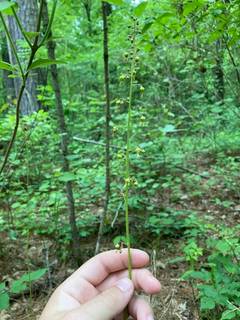
Large airy panicles of white to creamy-white flowers open from August through October across a 6-week active flowering window. The late-summer-into-fall bloom is rare among Heuchera species, most of which flower in spring (May-June), and the cultivar fills a fall bloom-time gap when other heucheras have long finished flowering. The white flower display is larger and more profuse than the flowers of any other heuchera, with the panicle architecture being more substantial than the airy panicles of spring-flowering Heuchera species. Pollination is by hummingbirds (which work the small tubular flowers in the panicle) and small native bees that handle the late-season pollen production.
Detailed Descriptions
Flower Description
White to creamy-white tiny flowers carried in large airy panicles 24-30 inches (60-75 cm) tall above the foliage mound, the panicle architecture being more substantial than the airy panicles of spring-flowering Heuchera speciesFoliage Description
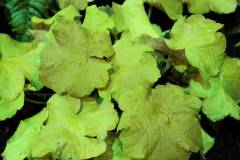
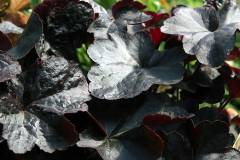
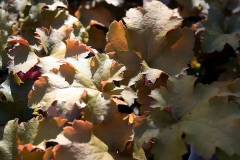
Light green; large maple-shaped leaves with a soft pubescent (fuzzy) surface, the species name 'villosa' meaning hairy and referring to the dense soft pubescence on the leaves, stems, and petioles that gives the species its tactile and visual textureGrowing Conditions
Sun Requirements
Requires 2-8 hours of direct sunlight daily
• Full Sun: 6+ hours of direct sunlight
• Partial Shade: 3-6 hours of direct sunlight
• Full Shade: Less than 3 hours of direct sunlight
Care & Maintenance
Care Guide
Plant in partial shade to full sun (with adequate moisture in full-sun positions) with 2-8 hours of direct light. Moist well-drained humus-rich soil at pH 5.5-7.0 supports the cultivar; the species tolerates heavier clay and higher heat than most other heucheras. Watering is regular through dry spells because the species' Appalachian-cliff origin reflects a moist-soil physiological preference. Fertilization is light because high soil fertility produces leggy soft growth that is more prone to crown rot than the lean compact growth that lean soil produces. Flower panicles are left standing through fall for the extended white display rather than removed at bloom completion. Foliage cleanup is in early spring before new growth emerges, with winter-tattered leaves cut to ground level and frost-heaved crowns pushed back into the soil (heucheras are prone to crown heaving in freeze-thaw cycles, and the heaved crowns desiccate and die if not pushed back). Light mulching around the crown assists with crown stability across winter freeze-thaw periods.Pruning
Flower panicles are left standing through fall to extend the white display across the dormant-season transition. Winter-tattered foliage and old flower stalks are removed in early spring before new growth emerges. Frost-heaved crowns are pushed back into the soil in spring; heaved crowns that are not addressed will desiccate and die before the new growing season starts.Pruning Schedule
Prune: March
early spring
Container Growing
Suitable for container growing
Minimum container size: 5 gallons