Image 1 of 4
1 / 4
Plant Reference
Gladiolus, Genus, murielae, Species,
- Genus & species
fragrant gladiolus
East African highlands: Ethiopia, Tanzania, Malawi, Mozambique (3,000–6,000 ft / 900–1,800 m)
Overview
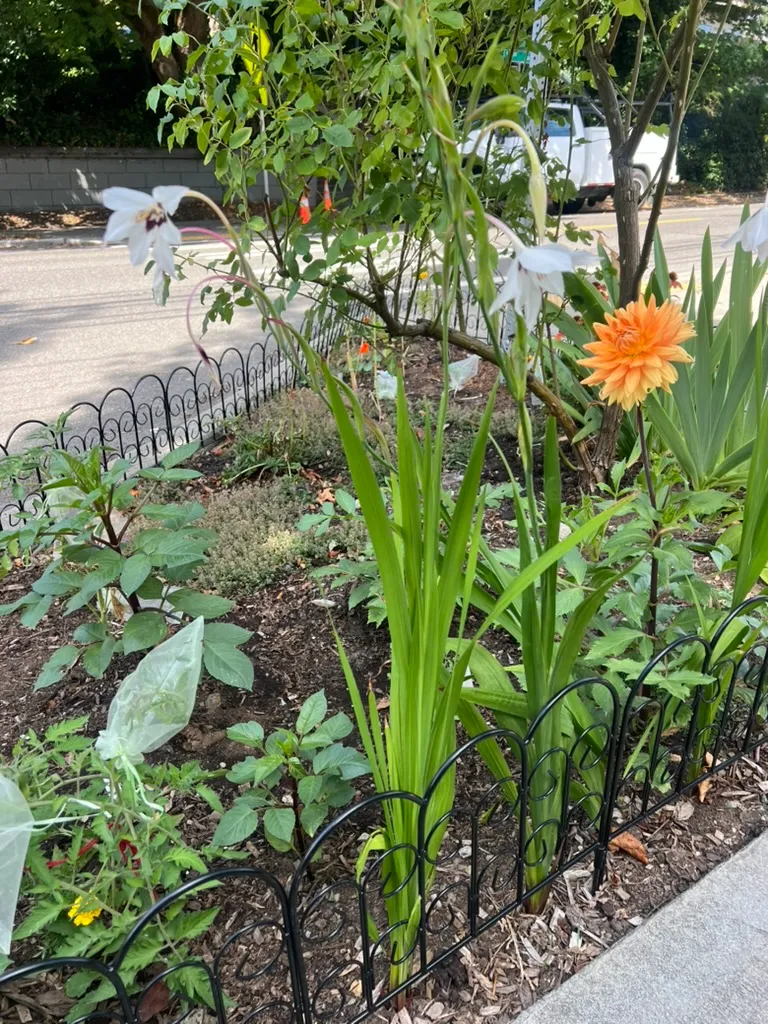
Gladiolus murielae (syn. Acidanthera bicolor var. murielae, Gladiolus callianthus) is a cormous perennial reaching 30–40 inches (75–100 cm) tall and 4–6 inches (10–15 cm) wide per corm, with an upright sword-leaved habit. Native to the highlands of East Africa (Ethiopia, Tanzania, Malawi, Mozambique) at 3,000–6,000 feet (900–1,800 m), the species produces arching sprays of 3–8 nodding star-shaped fragrant white flowers 2–3 inches (5–8 cm) across, each with a deep maroon-purple blotch at the throat. Sweet jasmine-like fragrance is strongest in the evening. Time from planting the corm to first bloom is 70–90 days, placing the bloom window in late summer to early fall (August through September) — later than most summer-flowering bulbs. Foliage is sword-shaped, pleated, and grey-green, 12–24 inches (30–60 cm) long. Growth rate is moderate. Hardy in USDA zones 7–10 with winter mulch; in zones 3–6 the corms are lifted after the first frost, dried 2–3 weeks, and stored frost-free (40–50°F / 4–10°C) over winter, then replanted in late spring.
Native Range
Gladiolus murielae is native to the highlands of East Africa — Ethiopia, Tanzania, Malawi, and Mozambique — at elevations of 3,000–6,000 feet (900–1,800 m).Suggested Uses
Planted in mixed perennial borders, cottage gardens, cutting gardens, and containers of 3 gallons (11 L) or larger for late-summer fragrance and cut-flower production in USDA zones 7–10 (in-ground) or as a lift-and-store corm in zones 3–6. Evening fragrance makes the species useful near patios, seating areas, and entryways where the scent is released in the hours the garden is typically used. The arching graceful form separates the species visually from the stiff vertical habit of common garden gladiolus, so the two are rarely substituted for each other despite the shared genus. Plants requiring constant summer moisture (the species tolerates brief dry periods but not extended drought), cold-winter regions without annual corm lifting, and positions where the tall stems cannot be supported in wind fall outside the species' cultural range.How to Identify
Appearance
Size & Dimensions
Height2'6" - 3'4"
Width/Spread4" - 6"
Bloom Information
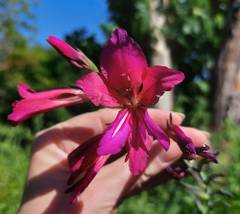
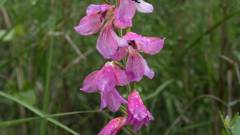
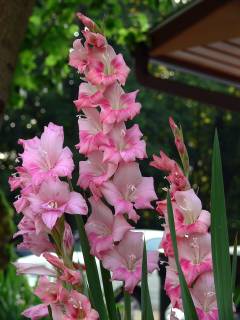
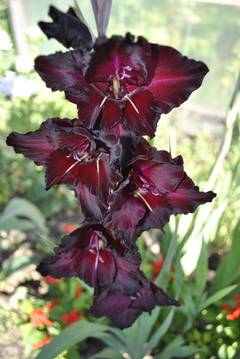
Produces arching sprays of 3–8 nodding star-shaped fragrant white flowers with a deep maroon-purple throat blotch in late summer to early fall (August and September). Bloom duration is 2–3 weeks with flowers opening sequentially from the bottom of each spray upward. Sweet jasmine-like fragrance carries strongest in the evening. Time from planting the corm to first bloom is 70–90 days.
Detailed Descriptions
Flower Description
White with deep maroon-purple throat blotch; star-shaped nodding 2–3 inches (5–8 cm); in arching sprays of 3–8 flowers; jasmine-like fragrance strongest in evening; late summer to early fallFoliage Description
Grey-green; sword-shaped pleated 12–24 inches (30–60 cm); uprightGrowing Conditions
Sun Requirements
Requires 6-10 hours of direct sunlight daily
• Full Sun: 6+ hours of direct sunlight
• Partial Shade: 3-6 hours of direct sunlight
• Full Shade: Less than 3 hours of direct sunlight
Care & Maintenance
Care Guide
Plant corms 4–6 inches (10–15 cm) deep in late spring after all frost danger has passed and soil is warm (60°F / 16°C or higher) in full sun in rich well-drained loamy or sandy soil at pH 6.0–7.0. Consistent soil moisture is required during active growth. Time from planting to bloom is 70–90 days; later plantings risk bloom disruption by an early fall frost. Staking is used in exposed positions where wind causes the tall stems to lodge. In USDA zones 7–10 a heavy winter mulch maintains the corm in the ground. In zones 3–6, corms are lifted after the first frost blackens the foliage, dried 2–3 weeks, and stored in a cool dry location at 40–50°F (4–10°C) over winter, then replanted the following late spring.Pruning
Cut spent flower stems to the base once all florets have faded. Leave the foliage to yellow naturally before lifting corms in colder zones; the yellowing leaves feed the corm for next year's bloom. In frost-free climates, corms can be left in the ground year-round.Pruning Schedule
Prune: October
fall
Container Growing
Suitable for container growing
Minimum container size: 3 gallons