Image 1 of 8
1 / 8
Plant Reference
Gladiolus, Genus, hybrids, Species,
- Genus & species
hardy gladiolus
Hybrid of horticultural origin; parent species from South Africa and sub-Saharan Africa
Overview
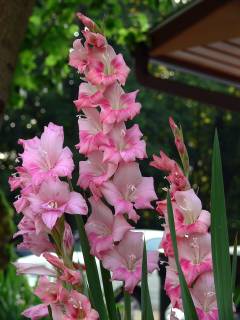
Gladiolus hybrids are a large group of cormous perennials in the family Iridaceae, derived from complex interspecific hybridization involving numerous South African species. Garden hybrid gladiolus produce fans of upright sword-shaped leaves 12-24 inches (30-60 cm) long from corms planted in spring. Flower spikes rise 2-5 feet (60-150 cm), carrying 12-20 ruffled funnel-shaped flowers 3-5 inches (8-13 cm) across in one-sided rows that open from the base upward over 7-14 days. The hybrid color range spans white, cream, yellow, orange, red, pink, rose, lavender, purple, and near-black, including bicolors, picotees, and blends across the nine principal trade color codes. All parts contain glycosides that are toxic to cats, dogs, and horses. Corms are tender in zones 7 and colder and are lifted after first frost, dried, and stored over winter; in zones 8-10 corms remain in the ground year-round. Staggered plantings every 2-3 weeks from spring through early summer extend the cutting window. Inconsistent summer moisture during bud development causes corms to split, which reduces the following season's flowering.
Native Range
Gladiolus garden hybrids are of horticultural origin. The principal parent species are native to South Africa, with contributions from G. dalenii (widespread in sub-Saharan Africa) and dozens of other African species. The Mediterranean species G. communis ssp. byzantinus contributes cold hardiness to some hybrid lines.Suggested Uses
Grown in cutting gardens and kitchen gardens with successive plantings from spring through early summer for continuous harvest July through September. In mixed borders, groups of 10-15 corms at 6 inch (15 cm) spacing produce the strongest visual effect; isolated single plants read as scattered spikes rather than a coherent display. The wide color range and 7-10 day vase life suit large-volume cut-flower production, which is the principal commercial use for the genus.How to Identify
Appearance
Size & Dimensions
Height2' - 5'
Width/Spread6" - 1'
Colors
Bloom Information
Flower spikes bearing 12-20 ruffled funnel-shaped flowers 3-5 inches (8-13 cm) wide in a wide color range, carried 2-5 feet (60-150 cm) tall and opening from base upward. Bloom appears 70-100 days after corm planting depending on cultivar and soil temperature. In zones 5-7, corms planted in mid-April bloom in late June to July; successive plantings through early July extend the display through September. In zones 8-10 with year-round corms, bloom occurs across summer. Each spike holds open 7-14 days, and harvest when the bottom 2-3 flowers are open maximizes vase life.
Detailed Descriptions
Flower Description
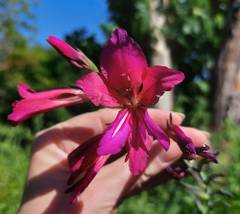
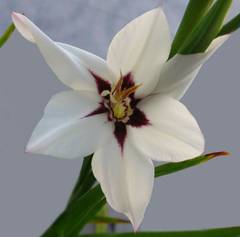
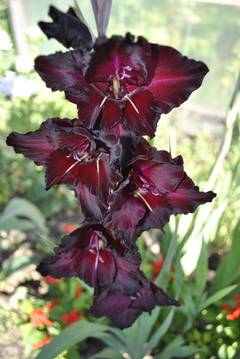
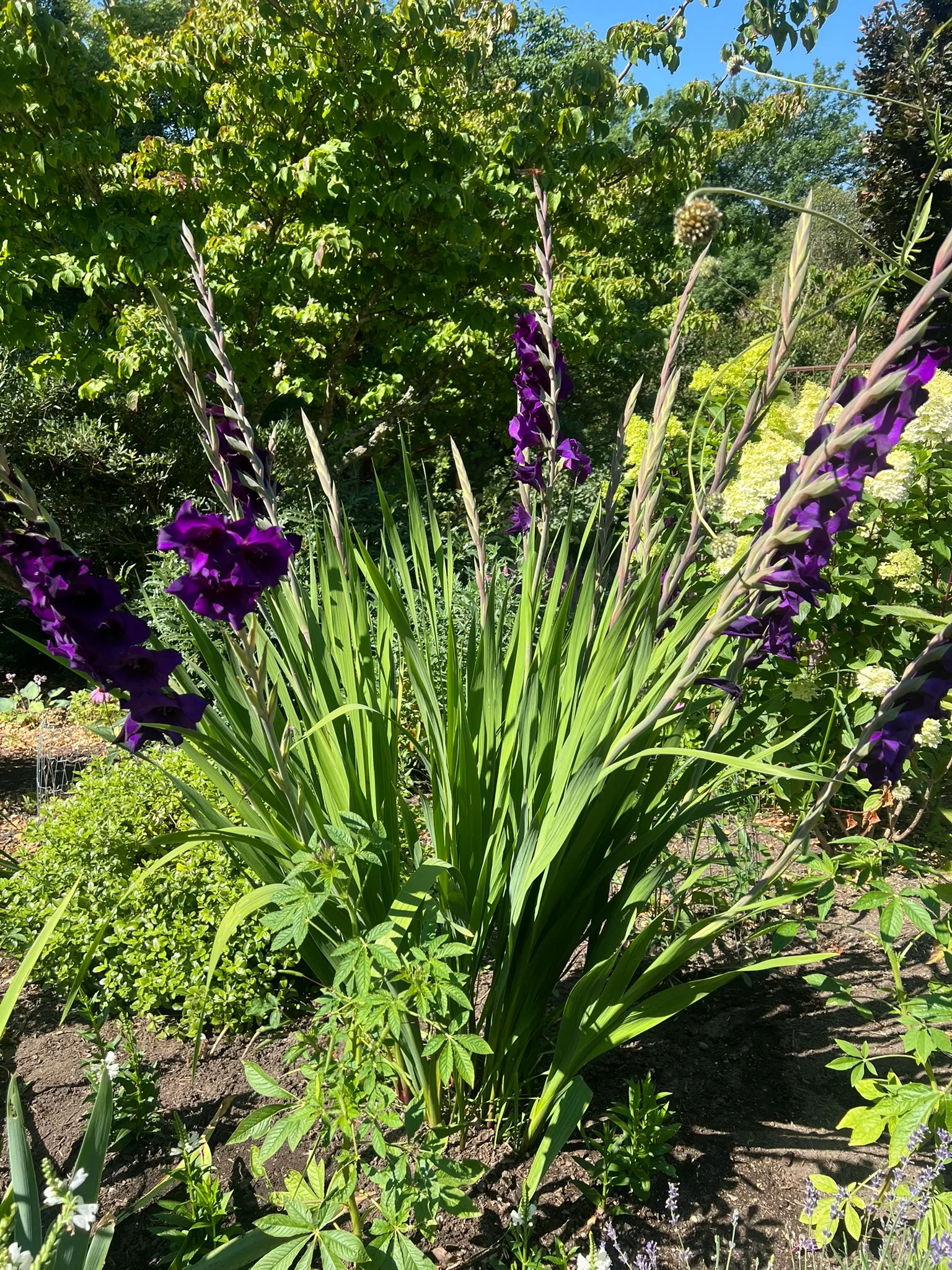
White, cream, yellow, orange, red, pink, rose, lavender, purple, and near-black; bicolors, picotees, and blends; ruffled funnel-shaped 3-5 inches (8-13 cm); one-sided spikes of 12-20; summerFoliage Description
Medium green; sword-shaped 12-24 inches (30-60 cm); fan arrangement; deciduousGrowing Conditions
Sun Requirements
Requires 6-8 hours of direct sunlight daily
• Full Sun: 6+ hours of direct sunlight
• Partial Shade: 3-6 hours of direct sunlight
• Full Shade: Less than 3 hours of direct sunlight
Care & Maintenance
Care Guide
Grows in full sun in fertile well-drained soil at pH 6.0-6.5. Hardy to USDA zone 8. Corms are planted 4-6 inches (10-15 cm) deep and 6 inches (15 cm) apart after last frost. Staking of tall cultivars begins when spikes emerge. Consistent moisture through bud development is needed because inconsistent watering causes corms to split. Balanced fertilizer application at the 6-inch (15 cm) leaf stage and again when spikes color supports corm recharge. In zones 7 and colder, corms are lifted 6-8 weeks after bloom, dried for 2-3 weeks, cleaned, and stored at 35-50 F (2-10 C) in mesh or paper bags through winter; soft or diseased corms are discarded.Pruning
Flower spikes are cut when the bottom 2-3 florets are open, leaving as much foliage as possible on the plant so the corm ripens fully. After bloom, the spike is cut at ground level while all leaves are left intact until they yellow and die back naturally; those leaves replenish the corm for next year. Folding or knotting of leaves is avoided.Pruning Schedule
Prune: August–October
summerfall
Toxicity Warning
Toxic to petsPlanting Guide
Planting Methods & Timing
Planting Method
transplant
Plant Spacing
6 inches