Image 1 of 3
1 / 3
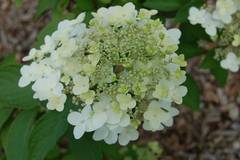
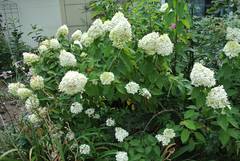
Species photo — your cultivar may vary
© Famartin, some rights reserved (CC-BY-SA) · Wikimedia Commons
Hydrangea, Genus, paniculata, Species, 'Fire Light', Cultivar,
- Genus & species
- Cultivar
Fire Light Hydrangea
East Asia (Japan, Korea, China, Sakhalin)
Overview
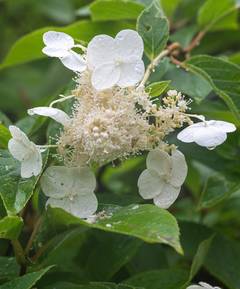
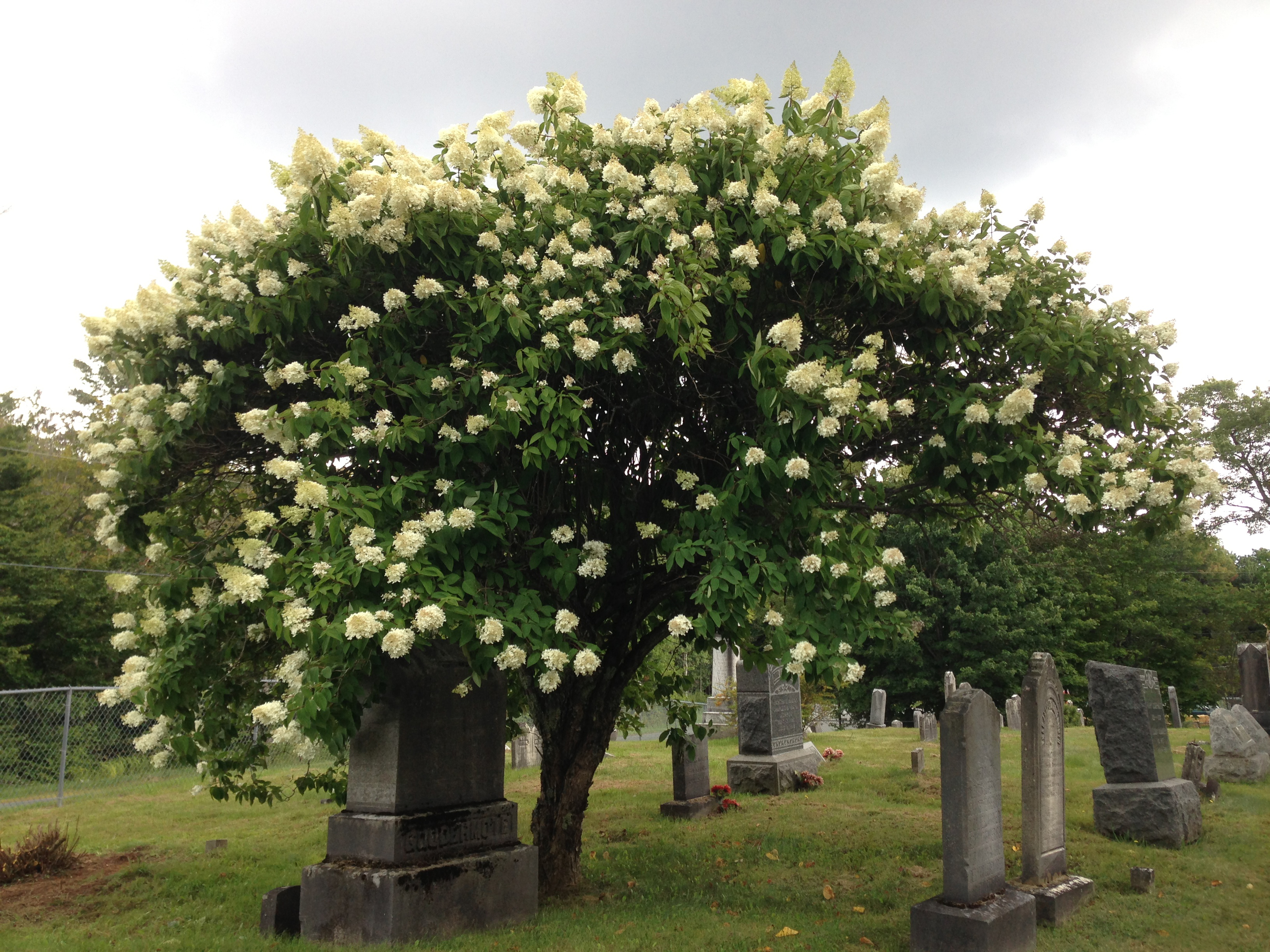
Hydrangea paniculata 'Fire Light' is a deciduous panicle hydrangea reaching 5-6 feet (150-180 cm) tall and 5-6 feet (150-180 cm) wide at maturity, with an upright-rounded habit. Stems are stout and self-supporting, holding mature panicles upright in summer storms without requiring staking. Leaves are ovate, 3-6 inches (7.5-15 cm) long, mid-green with serrated margins and a slightly rough texture, dropping in late autumn after limited yellow color. Conical panicles reach 8-10 inches (20-25 cm) long and 4-5 inches (10-13 cm) wide at the base, opening pure white in midsummer, transitioning through pink-blush in August, and aging to a deep pomegranate-red by September that holds through October frost. Sepals are densely packed and primarily sterile, with occasional fertile florets visible in the panicle interior. Flowering occurs on new wood, so winter cold and spring frost do not affect the season's bloom. Tolerates a wider sun and pH range than H. macrophylla cultivars and does not change flower color with soil pH. Fall foliage color is muted; the cultivar is grown for the multi-stage flower color rather than autumn foliage interest.
Native Range
Hydrangea paniculata is native to mountainous regions of Japan, Korea, eastern China, and Sakhalin Russia, occurring in moist forest edges and clearings at elevations of 1,000-3,500 feet (300-1,070 m). 'Fire Light' is a cultivated selection introduced through the Proven Winners ColorChoice nursery program; no wild populations exist.Suggested Uses
Used in mixed shrub borders, foundation plantings, hedging at 5-foot (1.5 m) spacing, and large containers (15-gallon / 57-liter minimum). Greater cold hardiness and sun tolerance than other hydrangea species support use in northern regions and full-sun positions where H. macrophylla performs poorly. Cut panicles hold well in fresh arrangements at the white or pink stage; cut after sepals develop a papery feel for use in dried arrangements.How to Identify
Appearance
Size & Dimensions
Height5' - 6'
Width/Spread5' - 6'
Bloom Information
Panicles open in early to mid-July in zones 5-8, holding white color for 3-4 weeks before sepals begin transitioning through pink in August and reaching deep pomegranate-red by September. Total display continues 12-14 weeks. Cool nights in early autumn deepen the red color; in regions with hot autumn temperatures above 75°F (24°C) overnight, the red phase remains lighter pink.
Detailed Descriptions
Flower Description
white opening, transitioning through pink to deep pomegranate-redFoliage Description
mid-greenGrowing Conditions
Sun Requirements
Requires 6-8 hours of direct sunlight daily
• Full Sun: 6+ hours of direct sunlight
• Partial Shade: 3-6 hours of direct sunlight
• Full Shade: Less than 3 hours of direct sunlight
Care & Maintenance
Care Guide
Spring or fall plantings establish in any well-drained soil across pH 5.0-7.5. Water 1 inch (2.5 cm) per week through the first two seasons; established plants tolerate moderate drought longer than H. macrophylla cultivars but flower size decreases in dry spells exceeding two weeks. A 2-3 inch (5-7.5 cm) layer of organic mulch retains soil moisture. Tolerates more sun than other hydrangea species; 6 or more hours of direct sun produce the densest panicles and the deepest late-season red color. Powdery mildew and leaf spot are uncommon; aphids may colonize new growth in spring without causing lasting damage.Pruning
Prune in late winter or early spring before new growth emerges, cutting all stems back by one-third to one-half to maintain a strong framework and encourage large panicles. Because flowers form on new wood, even hard pruning to 18-24 inches (45-60 cm) does not eliminate the season's bloom. Spent panicles can be removed in late winter or left for visual structure during winter months.Pruning Schedule
Prune: February–March
winterearly spring
Container Growing
Suitable for container growing
Minimum container size: 15 gallons