Ficus, Genus, pumila, Species,
- Genus & species
Creeping fig
Overview
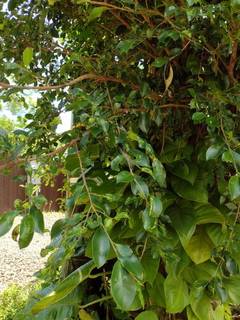
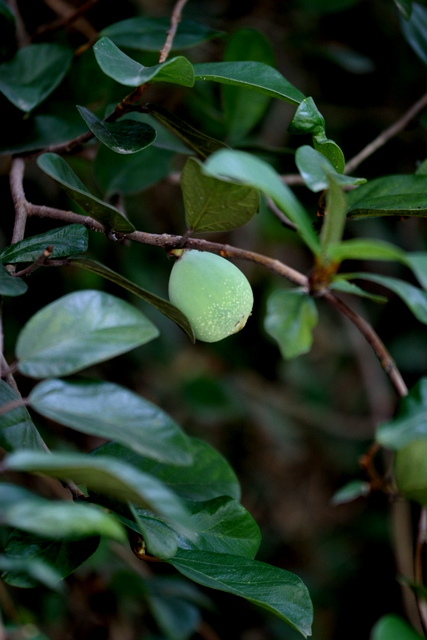
Ficus pumila is an evergreen, self-clinging vine in the Moraceae, native to eastern Asia, including eastern China, Japan, and Vietnam. Juvenile stems are thin and wiry and attach to walls, bark, and rock by aerial rootlets, forming a flat mat of foliage that reaches 3–10 feet (0.9–3 m) wide and extends 20–40 feet (6–12 m) up a support. Juvenile leaves are heart-shaped to ovate, 0.5–1.5 inches (1.3–4 cm) long, with an asymmetric base and prominent veins, and lie flat against the surface. Mature stems that grow away from the support produce thicker, woody branches that bear larger leathery leaves 2–4 inches (5–10 cm) long. Mature branches also bear pear-shaped, green to purple figs 2–3 inches (5–7.5 cm) long, which are seldom produced on juvenile growth. All parts contain a milky latex that irritates skin and eyes. Aerial rootlets penetrate mortar and lift paint and siding. The species is hardy to about 15°F (-9°C) in USDA zones 8–11 and is grown as a houseplant in colder climates.
Native Range
Eastern Asia, including eastern China, Japan, and Vietnam, climbing on trees and rock faces in forests at low elevations.Suggested Uses
Used as a wall and fence cover on masonry and trellises, and as a ground cover in shaded sites in zones 8–11. Grown in hanging baskets and terrariums, and as a trained topiary form on wire frames.How to Identify
Appearance
Size & Dimensions
Height20' - 40'
Width/Spread3' - 10'
Bloom Information
Flowers are minuscule and enclosed within the fig structure, and are not visible externally. Figs on mature branches ripen in summer to autumn (July–October). Juvenile stems seldom flower. Pollination in the native range depends on a specialized fig wasp.
Detailed Descriptions
Foliage Description
Medium to dark greenGrowing Conditions
Sun Requirements
Requires 2-6 hours of direct sunlight daily
• Full Sun: 6+ hours of direct sunlight
• Partial Shade: 3-6 hours of direct sunlight
• Full Shade: Less than 3 hours of direct sunlight
Care & Maintenance
Care Guide
Plants grow in part shade to full shade, with 2–6 hours of direct light, in moist, well-drained soil with a pH of 5.5–7.5. Direct afternoon sun in hot climates scorches foliage. Water is applied weekly at 1 inch (2.5 cm) per week until established, and plants wilt quickly when the soil dries. Balanced fertilizer is applied in spring and midsummer. Temperatures below 15°F (-9°C) kill stems to the ground, and roots resprout in zone 8. Rootlets attach to masonry, wood, and painted surfaces, and removal leaves marks on the surface.Pruning
Pruning is done in early spring to restrain growth, cutting stems to 1–2 inches (2.5–5 cm) from the support to remove mature, outward-growing branches. Shearing 2–3 times per year maintains a flat mat of juvenile foliage. Cuts made at any time of year are followed by regrowth within 4–6 weeks.Pruning Schedule
Prune: March–April
early spring
Container Growing
Suitable for container growing
Minimum container size: 1 gallons