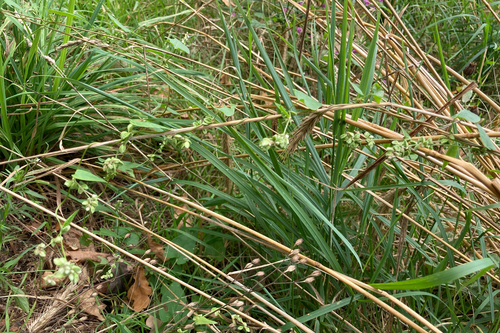
Fallopia, Genus, convolvulus, Species,
- Genus & species
Black bindweed
Europe, North Africa, and temperate Asia
SunFull Sun – Part Shade
Overview
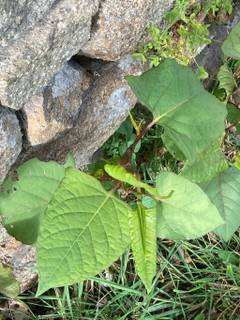
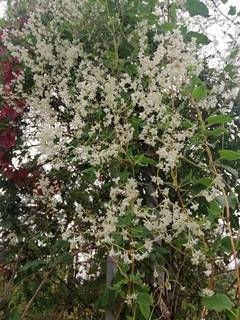
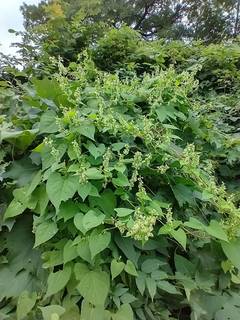
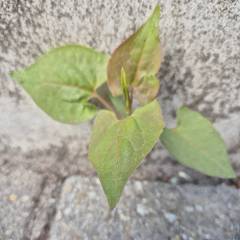
Fallopia convolvulus is an annual climbing or trailing plant with thin, twining stems 8-47 inches (20-120 cm) long that wind around other plants and supports. Stems are ridged, green to red-tinged, and branch from the base. Leaves are alternate, heart- to arrow-shaped, 0.8-2.4 inches (2-6 cm) long, with a pointed tip and a thin papery sheath around the stem at each node. Flowers are small, 0.1-0.2 inch (3-5 mm) across, greenish-white to pink-tinged, in loose clusters from the leaf axils, opening from June to October. The fruit is a dull black three-angled nut about 0.16 inch (4 mm) long, enclosed by the persistent flower segments. Where no support is present, the stems trail across the ground and form tangled mats. It germinates in spring, grows rapidly through summer, and dies after seeding in autumn. A single plant can set several hundred seeds, which stay viable in soil for years, making it a common weed of arable fields, gardens, and disturbed ground.
Native Range
Native across Europe, North Africa, and temperate Asia. Grows in arable fields, gardens, waste ground, roadsides, and other disturbed open soils, from lowlands to about 6,600 feet (2,000 m). Widely naturalized across North America and other temperate regions as an agricultural weed.Suggested Uses
Not grown ornamentally; it occurs as a volunteer weed of cultivated and disturbed ground. Its seeds are eaten by farmland birds, and it is sometimes included in conservation seed mixes for arable field margins that support seed-eating birds. In gardens it is generally removed rather than retained.How to Identify
Appearance
Size & Dimensions
Height8" - 3'11"
Width/Spread1' - 3'3"
Bloom Information
Flowers from June to October, with peak flowering in midsummer. Flowers are small, greenish-white to pink-tinged, and both insect-pollinated and self-pollinated. Seed ripens a few weeks after flowering, and the long flowering season produces seed from midsummer until the plant dies in autumn.
Detailed Descriptions
Flower Description
greenish-white to pink-tingedFoliage Description
green, sometimes red-tingedGrowing Conditions
Sun Requirements
Requires 4-12 hours of direct sunlight daily
• Full Sun: 6+ hours of direct sunlight
• Partial Shade: 3-6 hours of direct sunlight
• Full Shade: Less than 3 hours of direct sunlight
Water & Climate
Water Needs
Drought Tolerance
Drought tolerant when established
Care & Maintenance
Care Guide
Grows in full sun to light shade on most soils, including poor and compacted ground, completing its cycle in one season. Seed germinates in spring across a wide temperature range, and seedlings climb or trail rapidly once established. Tolerates drought once rooted and grows fastest on fertile, cultivated soil. In gardens and crops it climbs over and shades neighbouring plants, and clearing it before seed set limits its return because buried seed stays viable for years. Autumn frost kills the plants. No feeding is needed, since it grows readily on disturbed ground without care.Pruning
Stems are pulled or hoed out through the growing season to stop them smothering other plants and to prevent seeding. Cutting at the base kills the annual stem, but plants regrow from ungerminated seed in following years. Plants left in place reseed heavily.Toxicity
Non-toxicPlanting Guide
Planting Methods & Timing
Planting Method
direct sow
Direct Sow Timing
self-sows in spring; not deliberately sown
Days to Maturity
60–90 days