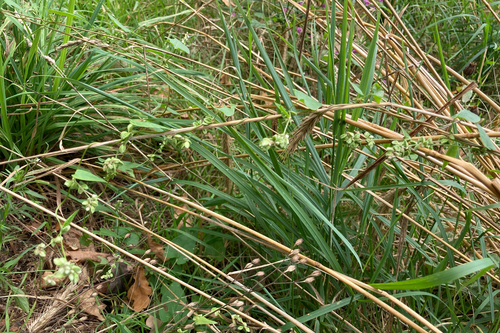
Fallopia, Genus, spp., Multiple species,
- Genus
- Multiple species
Fallopias
Temperate Northern Hemisphere, mainly Asia and Europe
Overview
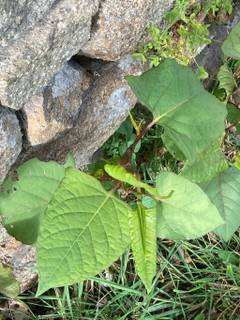
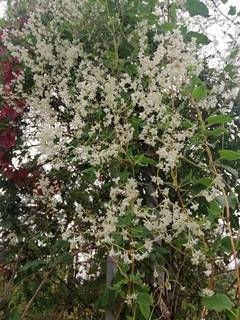
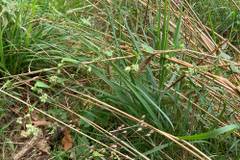
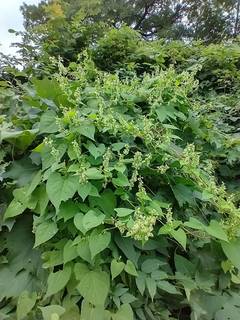
Fallopia is a genus of fast-growing herbs, climbers, and woody-based perennials in the knotweed family, Polygonaceae, native across the temperate Northern Hemisphere. It includes Japanese knotweed F. japonica, a stout herbaceous perennial reaching 10 feet (3 m) with hollow, bamboo-like stems; the rampant Russian vine F. baldschuanica, which twines to 40 feet (12 m); and the annual black bindweed F. convolvulus. Plants carry alternate, often heart-shaped leaves and sprays of small white to greenish flowers in late summer and autumn. Several spread by deep rhizomes or seed and are listed as seriously invasive plants in Europe and North America, regrowing from tiny fragments. The aggressive spread of the invasive species and the difficulty of removing them are the main concerns.
Native Range
Native across the temperate Northern Hemisphere, mainly in Asia and Europe, with the climbing false buckwheat F. scandens native to North America. Plants grow on stream banks, waste ground, woodland edges, and disturbed sites.Suggested Uses
Rarely planted on purpose, with most attention going to controlling the invasive species. The native climbing false buckwheat is occasionally grown in wildlife plantings, and cut young knotweed shoots are eaten as a tart spring vegetable in some regions.How to Identify
Appearance
Size & Dimensions
Height3' - 40'
Width/Spread3' - 15'
Bloom Information
Detailed Descriptions
Flower Description
white to greenish-white, sometimes pinkFoliage Description
greenGrowing Conditions
Sun Requirements
Requires 6-8 hours of direct sunlight daily
• Full Sun: 6+ hours of direct sunlight
• Partial Shade: 3-6 hours of direct sunlight
• Full Shade: Less than 3 hours of direct sunlight