Erythronium, Genus, spp., Multiple species,
- Genus
- Multiple species
fawn lilies
North America, Europe, and Asia; richest in western North America
Overview
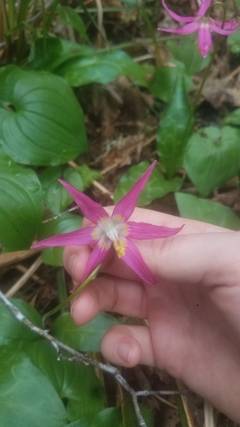
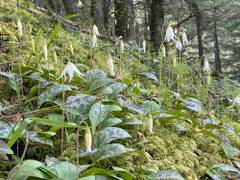
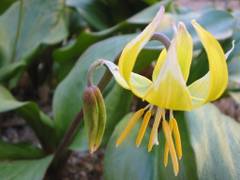
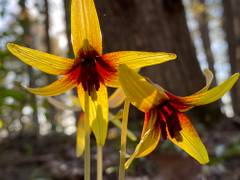
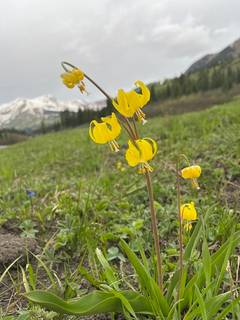
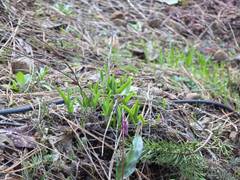
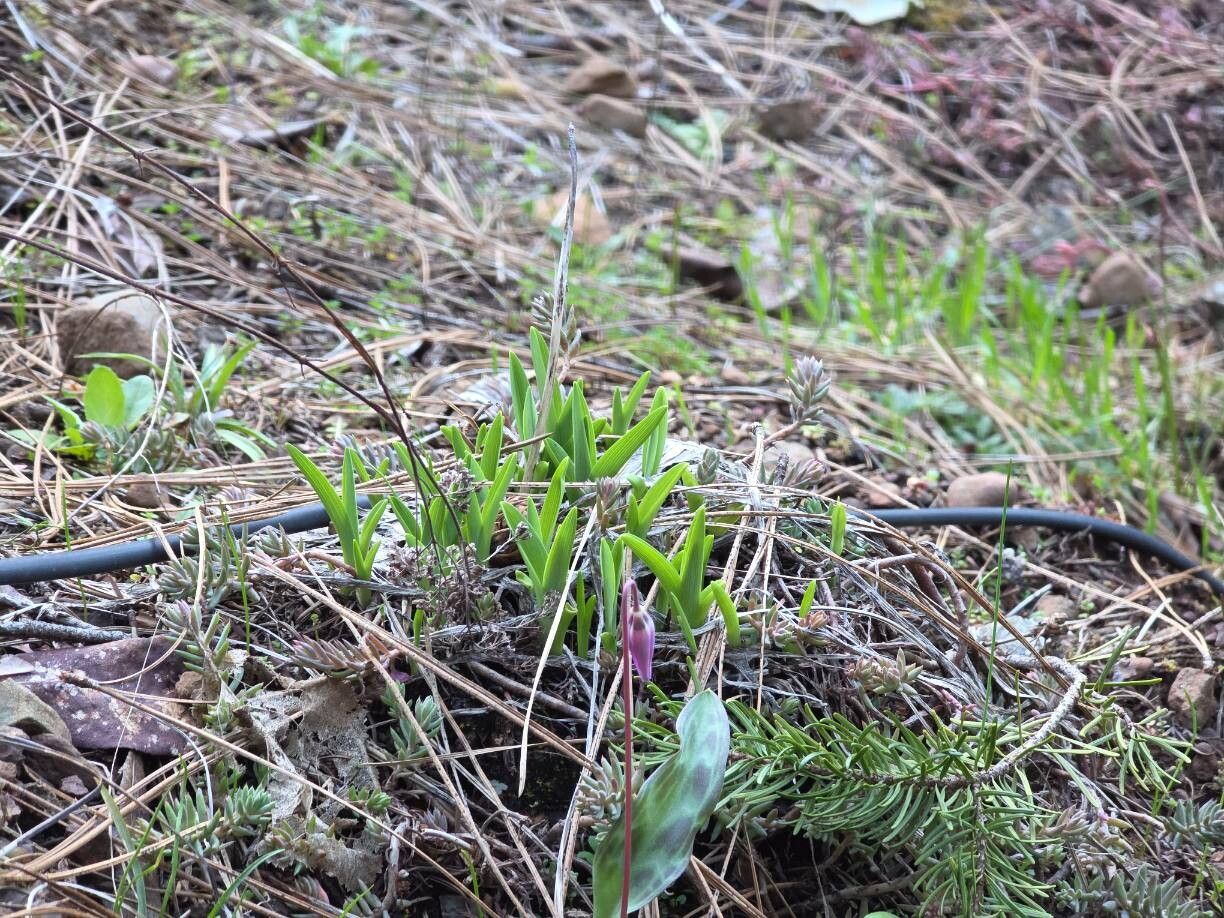
Erythronium is a genus of about 30 species of spring-flowering bulbs in the lily family (Liliaceae), found in temperate woodlands of North America, Europe, and Asia. The greatest number of species grows in western North America. Each plant rises from a deep, tooth-shaped corm and produces one or two basal leaves, 2–8 inches (5–20 cm) long, that in many species are mottled with brown or bronze markings, giving rise to the names fawn lily and trout lily. Flowering stems reach 4–14 inches (10–35 cm) and carry one to several nodding flowers with six tepals that curve backward; tepal colour ranges from yellow and white to pink and purple depending on the species. Plants are spring ephemerals: they emerge, flower, and set seed early in the season, then die back to the corm by midsummer as the tree canopy closes overhead. Colonies build up slowly, spreading by offset corms and by seed that is often carried by ants. Because the leaves disappear for most of the year, plants are easy to disturb accidentally once dormant. Erythronium grows in cool, humus-rich soil under deciduous trees and needs a period of winter cold to flower.
Native Range
Erythronium is native to temperate woodlands across North America, Europe, and Asia, with the richest diversity in the Pacific states of North America. Species grow in deciduous and coniferous forest, mountain meadows, and streamsides.Suggested Uses
Erythronium is grown in woodland gardens, shaded borders, and naturalistic plantings beneath deciduous trees and shrubs. It combines with other spring woodland plants such as Trillium and Anemone. Some compact species are grown in alpine troughs and pots in cold frames.How to Identify
Appearance
Size & Dimensions
Height4" - 1'2"
Width/Spread4" - 8"
Bloom Information
Flowering occurs in early to mid spring, often before the surrounding trees come into leaf, and lasts about two to three weeks in a given colony. Flowers open in sun and partly close in dull weather or at night. Bees are the main pollinators, after which seed ripens quickly and the plant dies back.
Detailed Descriptions
Flower Description
Yellow, white, pink, or purpleFoliage Description
Green, often mottled brown or bronzeGrowing Conditions
Sun Requirements
Requires 2-6 hours of direct sunlight daily
• Full Sun: 6+ hours of direct sunlight
• Partial Shade: 3-6 hours of direct sunlight
• Full Shade: Less than 3 hours of direct sunlight