Elaphoglossum, Genus, spp., Multiple species,
- Genus
- Multiple species
tongueferns
Pantropical; richest in the Neotropics
Overview
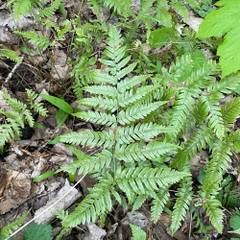
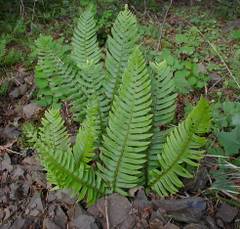
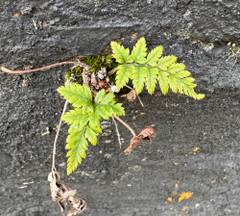
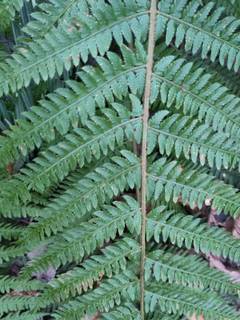
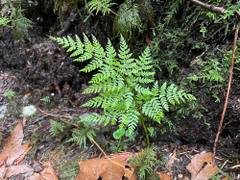
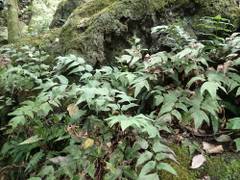
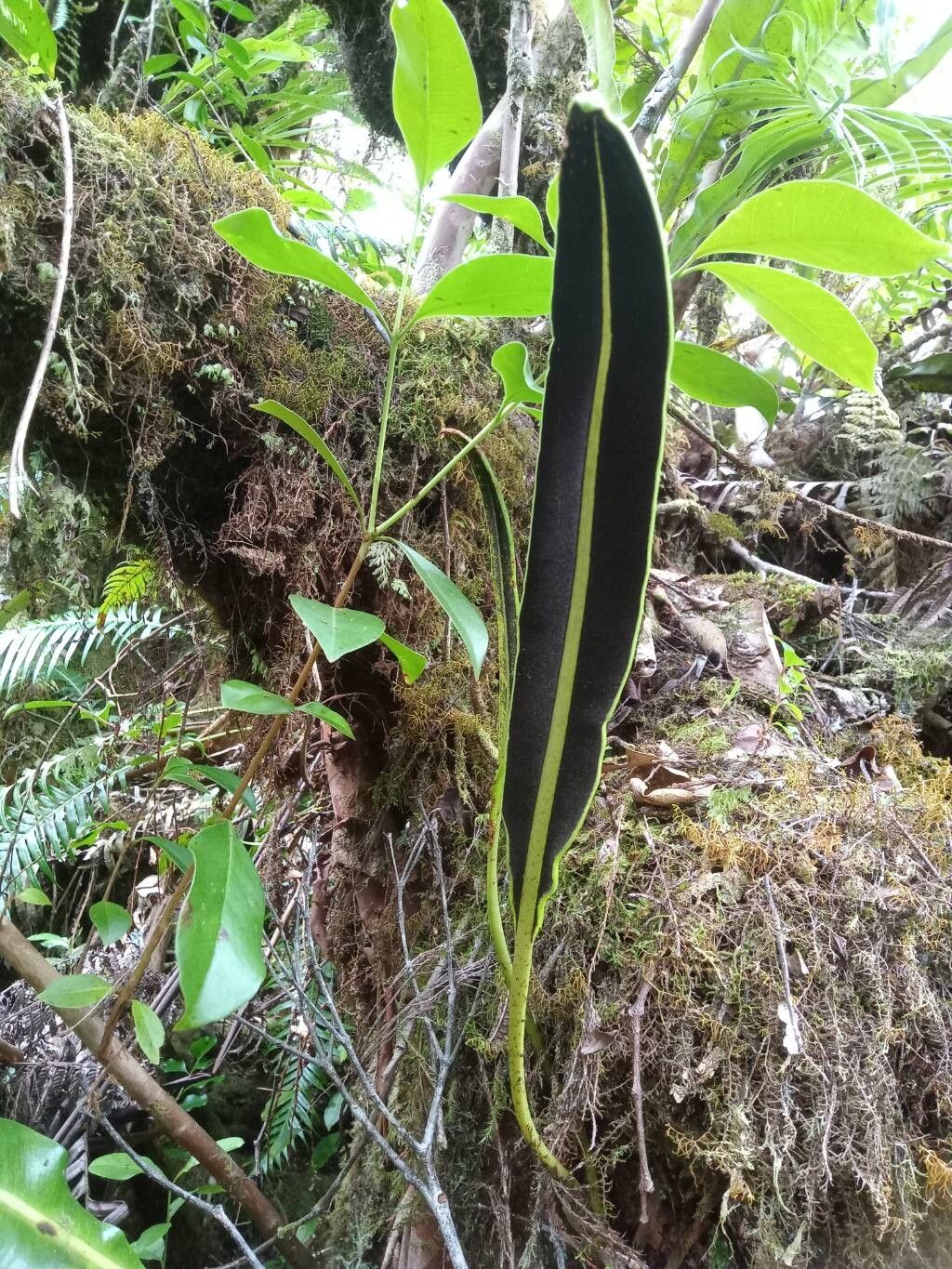
Elaphoglossum is a genus of roughly 600 species of mostly epiphytic ferns in the family Dryopteridaceae, known as tongue ferns for their simple, undivided fronds. Distributed throughout the world tropics, the genus reaches its greatest diversity in the cloud forests and rainforests of Central and South America. Each frond is a single, entire, leathery blade, lance- to strap-shaped and 4 to 24 inches (10 to 60 cm) long, rising on a slender stalk from a creeping, scaly rhizome. The blades are deep green and often clothed in tiny scales or hairs, giving some species a bronzed or silvery cast. Plants are strongly dimorphic: fertile fronds are narrower than the sterile ones and carry a continuous layer of spore cases across the entire underside rather than in discrete clusters. Most species grow as epiphytes on tree trunks and branches or on mossy rocks in constantly humid, shaded conditions, though a few are terrestrial. The genus needs warmth, high humidity, and steady moisture, and is intolerant of frost and dry air, which restricts cultivation to greenhouses, terrariums, and frost-free gardens. The undivided fronds separate Elaphoglossum from most other ferns, whose fronds are split into leaflets.
Native Range
Elaphoglossum is pantropical, found in the Americas, Africa, Asia, and Pacific islands, with the largest number of species in the Neotropics from Mexico through the Andes. Plants inhabit humid montane and lowland forests, typically growing on trees or rocks.Suggested Uses
Elaphoglossum is grown in terrariums, on bark mounts, and in shaded, humid greenhouse and conservatory displays. In frost-free tropical gardens it is used as an epiphyte on trees or as a foliage plant in moist, shaded beds.How to Identify
Appearance
Size & Dimensions
Height4" - 2'
Width/Spread6" - 1'6"
Bloom Information
As a fern, Elaphoglossum does not flower. It reproduces by spores, which form a continuous layer beneath the fertile fronds and are released when mature, mainly during warm, humid periods. New fronds unfurl through the growing season as conditions stay warm and moist.
Detailed Descriptions
Foliage Description
Deep green, sometimes bronzed or silvery-scaledGrowing Conditions
Sun Requirements
Tolerates up to 3 hours of direct sunlight daily
• Full Sun: 6+ hours of direct sunlight
• Partial Shade: 3-6 hours of direct sunlight
• Full Shade: Less than 3 hours of direct sunlight
Care & Maintenance
Care Guide
Elaphoglossum requires warm, humid, shaded conditions that mimic its native cloud forests. It grows in a coarse, free-draining epiphytic mix, mounted on bark, or in a basket rather than dense soil, with the rhizome kept at the surface. Humidity above 60 percent and steady moisture matter most, as dry air browns the frond margins quickly. Temperatures need to stay above 50 F (10 C), and the genus tolerates no frost. The medium is kept evenly moist but never waterlogged, and feeding is light during active growth. Terrarium or greenhouse culture suits most species outside the wet tropics.Pruning
Elaphoglossum needs no routine pruning. Old, browned, or damaged fronds are removed at the rhizome to keep plants tidy and reduce sites for fungal growth. Dividing the rhizome in spring both propagates and contains established clumps.Container Growing
Suitable for container growing
Minimum container size: 1 gallons