Echinopsis, Genus, spp., Multiple species,
- Genus
- Multiple species
south American hedgehog cactuses
Overview
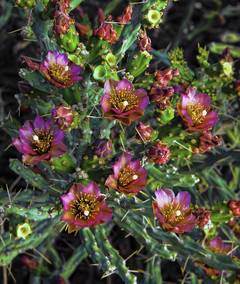
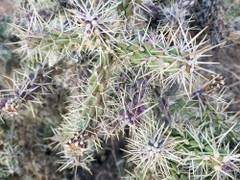
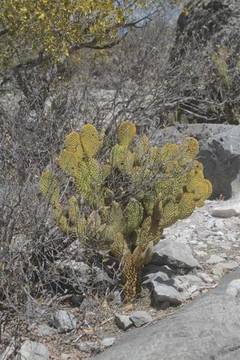
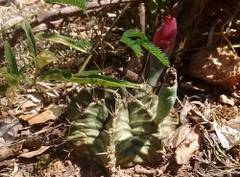
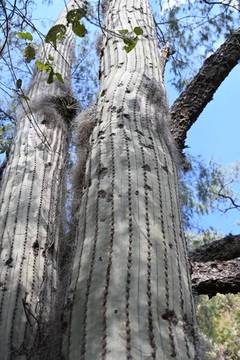
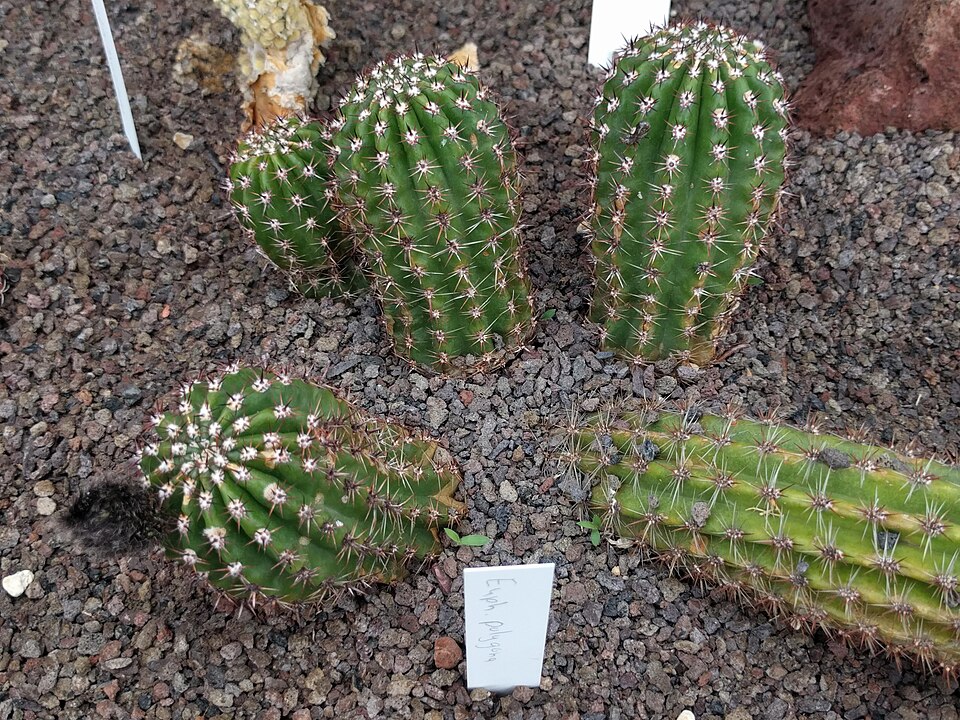
Echinopsis is a genus of about 130 species of cacti native to South America, ranging from small clustering globes to columnar plants. Stems are green and ribbed, with 5 to 38 vertical ribs lined with areoles bearing spines 0.04-4 inch (1-100 mm) long. Plant size spans 4 inch to 20 ft (10 cm to 6 m) tall depending on species; small clumping forms such as E. eyriesii stay under 6 inch (15 cm), while columnar species formerly placed in Trichocereus reach tree height. Flowers open from the stem flanks on a long tubular receptacle 4-10 inch (10-25 cm) long, funnel-shaped, 2-8 inch (5-20 cm) wide, in white, pink, red, yellow, or orange. Many species flower at night and last one to two days; others stay open through the day. Fruit is a fleshy ovoid berry 0.4-2 inch (1-5 cm) holding small black seeds. Spine length and flower color vary widely between species, so a single description does not fit the whole genus. Most species grow in seasonally dry montane and lowland habitats and store water in the stem, which limits frost tolerance in all but a few high-altitude species.
Native Range
Echinopsis is native to South America, with species distributed across the Andes and adjacent lowlands from Ecuador and Peru south through Bolivia, Brazil, Paraguay, Uruguay, Chile, and Argentina. The genus reaches its greatest diversity in the dry valleys and montane grasslands of Bolivia and Argentina.Suggested Uses
Grown as container specimens, in rock gardens, and in heated greenhouses in cold-winter regions. Frost-hardy montane species are used in outdoor desert and gravel plantings in mild climates. Compact clustering species are kept as windowsill houseplants.How to Identify
Appearance
Size & Dimensions
Height4" - 20'
Width/Spread2" - 3'
Bloom Information
Flowering occurs mainly in late spring and summer, from roughly May to August in the Northern Hemisphere. Buds develop on the stem flanks and open over a single night or day, with each flower lasting one to two days. Individual plants may produce several flushes across the warm season when watered.
Detailed Descriptions
Flower Description
White, pink, red, yellow, orangeFoliage Description
Green ribbed stems (leafless)Growing Conditions
Sun Requirements
Requires 6-12 hours of direct sunlight daily
• Full Sun: 6+ hours of direct sunlight
• Partial Shade: 3-6 hours of direct sunlight
• Full Shade: Less than 3 hours of direct sunlight
Water & Climate
Water Needs
Drought Tolerance
Drought tolerant when established
Care & Maintenance
Care Guide
Grows in sharp-draining mineral soil in full sun, with light afternoon shade reducing scorch in hot climates. Plants take regular water during spring and summer growth, with the soil drying between waterings, and stay nearly dry through winter dormancy. Most species tolerate brief lows near 30F (-1C); high-altitude species withstand harder frost, while lowland species are damaged by it. Abrupt moves from shade into intense sun can scorch the stems. Container plants flower freely when slightly root-bound. Mealybugs and scale are the most common pests.Pruning
Pruning is not required for natural form. Offsets can be removed at the base with a clean cut for propagation or to limit clump spread, with the cut surface left to callus before replanting. Damaged or rotted stem sections are cut back to firm green tissue.Container Growing
Suitable for container growing
Minimum container size: 1 gallons