Image 1 of 2
1 / 2
Plant Reference
Daucus, Genus, carota, Species, 'Rainbow', Cultivar,
- Genus & species
- Cultivar
rainbow carrot mix
Seed blend of multiple cultivars carrying different root pigment selections; the species {Daucus carota} is native to Europe and western Asia where wild carrot grows in disturbed open ground
Overview
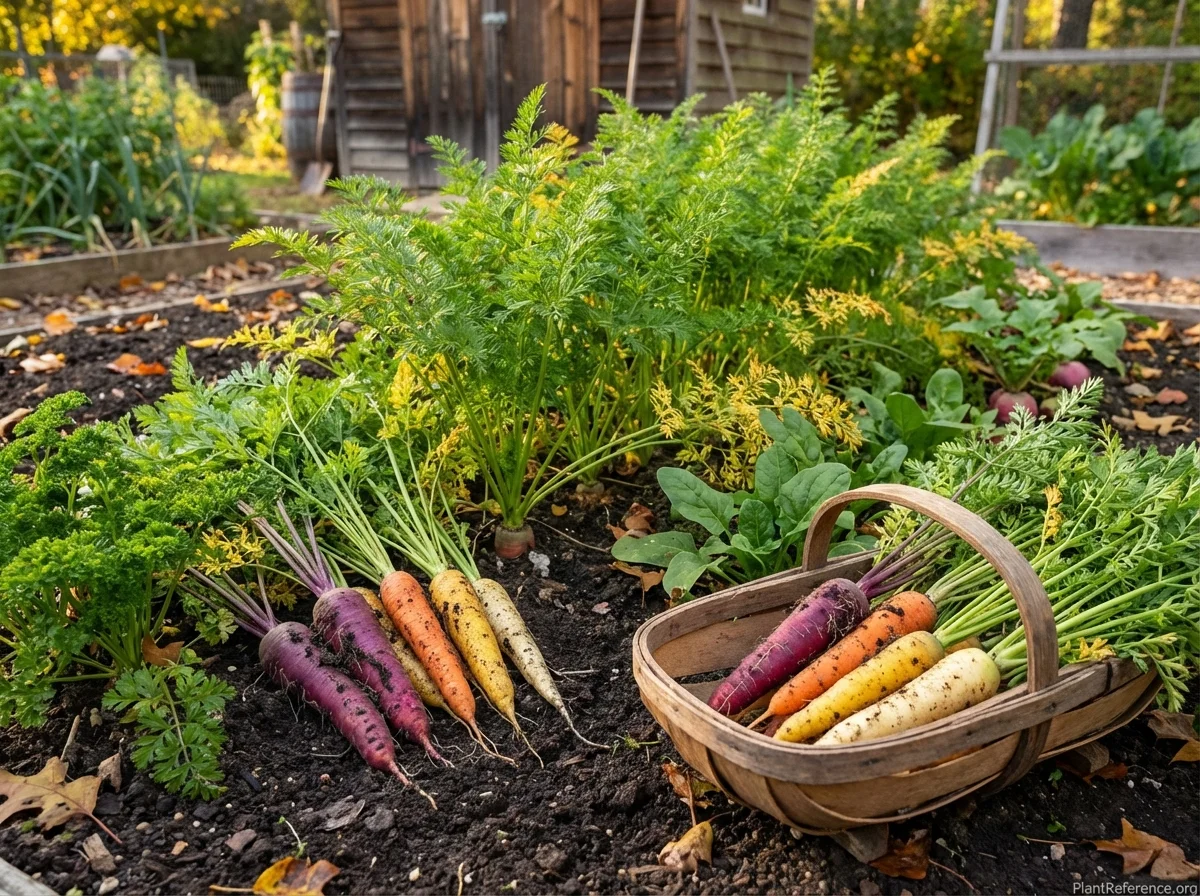
Daucus carota 'Rainbow' is a rainbow carrot mix — a seed blend producing roots in a range of colors (orange, yellow, white, red, and purple) from a single sowing rather than a single uniform cultivar. The fern-like bright green finely divided foliage runs 12–18 inches (30–45 cm) tall above the developing root crop. The root colors come from different pigment classes carried by the component cultivars in the blend: orange roots carry beta-carotene, purple roots carry anthocyanins, yellow roots carry xanthophylls, red roots carry lycopene, and white roots carry no significant pigment. As a seed blend rather than a single cultivar, the roots within a single planting run genetically different and mature at slightly different rates around the 70–75 day average from sowing. Root shapes vary by the component cultivars in the blend, which typically includes Nantes and Danvers types in commercial seed-blend formulations. Purple roots often carry an orange core through the central vascular tissue. Direct-sowing is the only viable establishment method because carrots do not transplant. Sowings run 2–3 weeks before last frost through midsummer, with succession-sowings every 2–3 weeks supporting continuous harvest. Loose sandy loam with no stones in the root zone supports the cleanest straight roots; heavy clay or stony soil produces forked or distorted roots that reduce the harvest quality. The foliage sap contains furanocoumarins which create a photodermatitis risk on skin contact in sunlight — gardening through the carrot crop in sun is done with gloves to manage this skin-irritation risk. Consistent moisture supports steady root development across the season. The cultivar runs non-toxic as an edible root crop. The species tolerates light frost, which extends the harvest window into early winter in mild regional climates.
Native Range
Daucus carota 'Rainbow' is a seed blend of multiple cultivars rather than a single cultivar selection. The species Daucus carota is native to Europe and western Asia, where wild carrot grows across disturbed open ground in roadside and field-edge habitats. The colored-root selections in the blend trace to multiple regional breeding traditions, including the purple-rooted carrots of central Asia (the original carrot color before the modern orange selections developed in the Netherlands in the 16th–17th centuries) and the orange-rooted Nantes and Danvers types from European and American breeding programs respectively.Suggested Uses
Planted in vegetable gardens, raised beds, and containers of at least 2 gallons (8 L) depth across the full sun-exposure range. The multi-colored root harvest from a single sowing supplies a visual range that single-cultivar carrot plantings cannot match within one row. Direct-sowing only because carrots do not transplant. Loose stone-free soil supports the cleanest root development. Succession-sowings every 2–3 weeks extend the harvest window across the growing season. The cultivar runs non-toxic as an edible root crop.How to Identify
Appearance
Size & Dimensions
Height1' - 1'6"
Width/Spread6" - 8"
Bloom Information
Biennial growth pattern: flowering occurs in the second year if the plants overwinter rather than being harvested in the first year. The cultivar is grown as an annual for root harvest, so flowering does not normally occur in standard garden cultivation. Bolting produces a woody central root that runs unpalatable for kitchen use, so the harvest window closes when bolting begins.
Detailed Descriptions
Flower Description
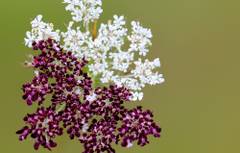
White compound umbels in the second year if the plants overwinter and bolt; the cultivar is grown as an annual for root harvest, so flowering does not normally occur in standard garden cultivationFoliage Description
Bright green; fern-like bipinnate finely divided foliage 12-18 inches tall above developing roots across the growing seasonGrowing Conditions
Sun Requirements
Requires 6-10 hours of direct sunlight daily
• Full Sun: 6+ hours of direct sunlight
• Partial Shade: 3-6 hours of direct sunlight
• Full Shade: Less than 3 hours of direct sunlight
Care & Maintenance
Care Guide
Full sun (6+ hours daily) in loose sandy loam with no stones across the root zone supports the cleanest straight-root harvest. Direct-sowing is the only viable establishment method because the long thin taproot does not survive transplant disturbance. Consistent moisture runs through the growing season to support steady root expansion without surface cracking. The different root colors in the blend mature at slightly different rates around the 70–75 day average, so harvests run staggered across a 1–2 week window from a single sowing. The foliage sap contains furanocoumarins that cause photodermatitis on skin contact in sunlight — gardening through the carrot crop in sun is done with gloves to manage this skin-irritation risk. The cultivar runs non-toxic as an edible root crop.Pruning
No pruning runs in standard carrot cultivation. Seedlings are thinned to 2–3 inches (5–7 cm) apart shortly after emergence to support full root development on the remaining plants. The taproot is not disturbed because root damage stops downward expansion and produces forked or stunted final roots. Harvest runs at 70–75 days from seed, with the different colors ready at slightly different times across a 1–2 week window from any single sowing.Container Growing
Suitable for container growing
Minimum container size: 2 gallons
Toxicity
Non-toxicPlanting Guide
Planting Methods & Timing
Planting Method
direct sow
Direct Sow Timing
2-3 weeks before last frost through midsummer. Succession-sow every 2-3 weeks.
Days to Maturity
70–75 days
Plant Spacing
3 inches