Dahlia, Genus, pinnata, Species,
- Genus & species
garden dahlia
Overview
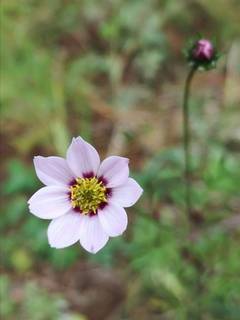
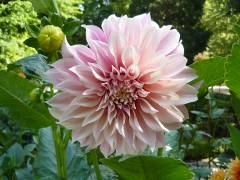
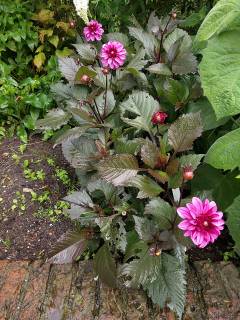
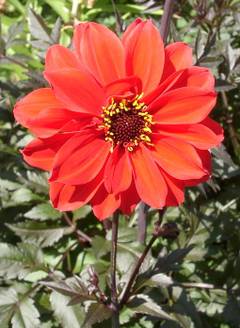
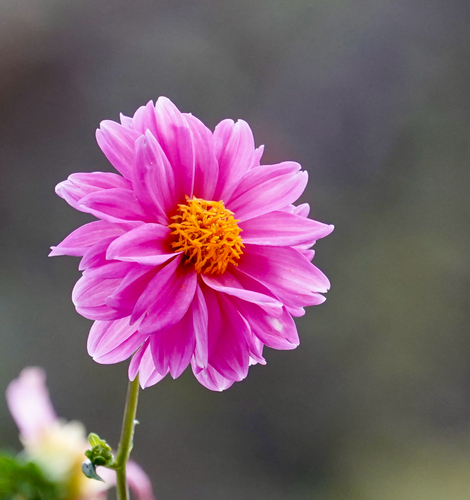
Dahlia pinnata is a tuberous-rooted tender perennial that grows 90-150 cm (36-59 in) tall in a single season from a cluster of swollen storage roots. The stems are hollow, branched, and slightly woody at the base, carrying opposite, pinnately divided leaves 15-30 cm (6-12 in) long with toothed leaflets. Flower heads are 8-15 cm (3-6 in) across, each ringed by broad ray florets in purple, pink, red, or white around a central disc of yellow tubular florets. This wild species is one of the parents behind the many garden dahlia cultivars, and its heads are typically single or semi-double rather than the densely packed forms of bred types. Plants flower from midsummer until the first frost, then die back as the tops are killed by cold. The tubers are frost-tender and rot if left in freezing wet ground, so in cold regions they are lifted and stored dry over winter. Growth is fast, but the soft, sappy stems need staking in exposed sites.
Native Range
Dahlia pinnata is native to Mexico and Central America, where it grows on hillsides and in upland meadows. It has been cultivated for centuries and is naturalized in scattered warm-temperate regions.Suggested Uses
Grown in summer borders, cutting gardens, and large containers for its long succession of blooms. The open-centred species form suits naturalistic and pollinator plantings, where bees reach the disc florets. Frost-tender tubers limit it to seasonal use or lifting in cold climates.How to Identify
Appearance
Size & Dimensions
Height3' - 4'11"
Width/Spread1'6" - 2'
Bloom Information
Detailed Descriptions
Flower Description
purple, pink, red, or white with a yellow centreFoliage Description
mid-greenGrowing Conditions
Sun Requirements
Requires 6-12 hours of direct sunlight daily
• Full Sun: 6+ hours of direct sunlight
• Partial Shade: 3-6 hours of direct sunlight
• Full Shade: Less than 3 hours of direct sunlight
Care & Maintenance
Care Guide
Dahlia pinnata grows in full sun on fertile, free-draining soil kept evenly moist through the growing season. Tubers are planted after the last frost once the soil has warmed, and shoots emerge in two to four weeks. Soil pH from about 6.0 to 7.5 suits it. Tall stems are brittle and are usually staked before they reach full height. In zones colder than about 8, the tubers are lifted after the first frost blackens the foliage and stored in a dry, frost-free place. Slugs and earwigs feed on young shoots and petals.Pruning
Spent flower heads are removed regularly through the season to prolong blooming. Stems are cut to the base after frost blackens the foliage. Pinching the growing tips early in the season produces a bushier plant with more stems.Pruning Schedule
Prune: October–November
fall
Container Growing
Suitable for container growing
Minimum container size: 5 gallons