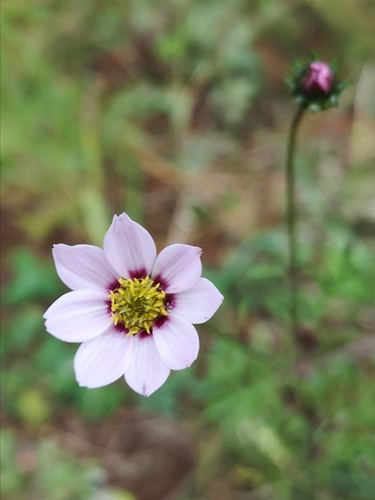
Dahlia, Genus, spp., Multiple species,
- Genus
- Multiple species
dahlias
Overview
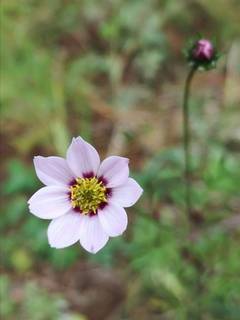
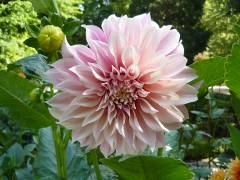
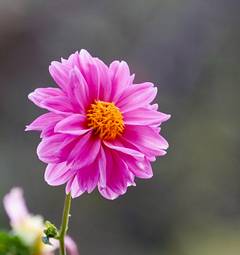
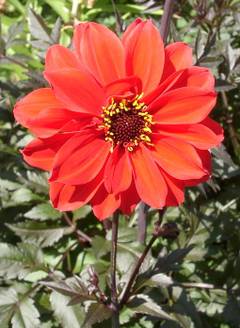
Dahlia is a genus of about 40 species of tuberous perennial herbs in the daisy family (Asteraceae), native to the uplands of Mexico and Central America. Plants grow from fleshy tubers to 1–6 feet (30–180 cm) tall on hollow, branching stems carrying divided, toothed leaves in green to dark green. The flower heads measure 2–12 inches (5–30 cm) across in cultivated forms and occur in red, pink, orange, yellow, purple, and white, with single, semi-double, ball, cactus, and decorative forms developed through extensive breeding. Wild species generally bear single heads with a ring of ray florets around a yellow disc. The genus is the national flower of Mexico and the parent of thousands of garden cultivars derived mainly from D. pinnata and D. coccinea. Plants flower from mid-summer until frost, which blackens the foliage and ends the season. The tubers are frost-tender and are lifted and stored over winter in cold climates, or left in the ground where the soil does not freeze. Flowering is heaviest in full sun with steady moisture and stem support for the taller forms.
Native Range
The genus is native to Mexico and Central America, growing in upland meadow, pine-oak woodland edge, and rocky slopes at moderate to high elevation. Dahlia reaches its greatest diversity in Mexico, where it is the national flower. Cool nights and a distinct dry season mark much of its native range.Suggested Uses
Dahlia is grown in summer borders, cutting gardens, and large containers, spaced 18–36 inches (45–90 cm) apart according to size. The flowers hold up well as cut stems and draw bees and butterflies to single and open-centered forms. Compact bedding types edge paths and fill containers, while tall forms anchor the back of a border.How to Identify
Appearance
Size & Dimensions
Height1' - 6'
Width/Spread1' - 3'
Colors
Bloom Information
Flowering begins in mid-summer and continues until the first frost, roughly July through October. Each head lasts one to two weeks, and removal of spent heads keeps new buds forming through the season. Bloom is heaviest in late summer when nights begin to cool.
Detailed Descriptions
Flower Description
red, pink, orange, yellow, purple, and whiteFoliage Description
green to dark greenGrowing Conditions
Sun Requirements
Requires 6-10 hours of direct sunlight daily
• Full Sun: 6+ hours of direct sunlight
• Partial Shade: 3-6 hours of direct sunlight
• Full Shade: Less than 3 hours of direct sunlight
Water & Climate
Water Needs
Care & Maintenance
Care Guide
Plants grow in full sun on fertile, well-drained loam or sandy soil at a pH of 6.0–7.5. Steady moisture is needed during growth and flowering, while the dormant tubers rot in cold, wet ground. Tubers are planted after the last frost once soil has warmed, and taller forms are staked as they grow. In zones colder than about 8, tubers are lifted after the first frost and stored dry and frost-free over winter. Slugs, earwigs, and powdery mildew are the main pests under cool, damp conditions.Pruning
Pinching the growing tip above the third or fourth leaf pair produces bushier plants and more flower stems. Removal of faded heads through the season redirects energy into new buds. Stems are cut to the ground after frost blackens the foliage, and the tubers are lifted in cold-winter areas.Container Growing
Suitable for container growing