Image 1 of 19
1 / 19
Plant Reference
Dahlia, Genus, hybrids, Species,
- Genus & species
dahlia
Species native to the highlands of Mexico, Guatemala, and Colombia — open woodlands, meadows, and disturbed ground at 3,000-10,000 ft (900-3,000 m); modern garden dahlias are complex interspecific hybrids with 200+ years of breeding following introduction to Europe in the late 18th century; flower-form diversity across the 14+ official groups ranges wider than most other cut-flower genera
Overview
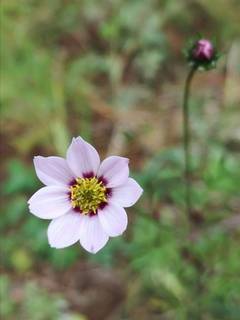
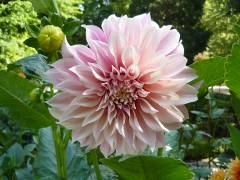
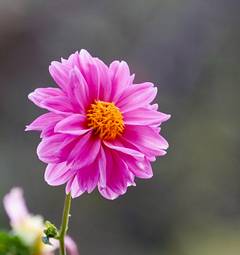
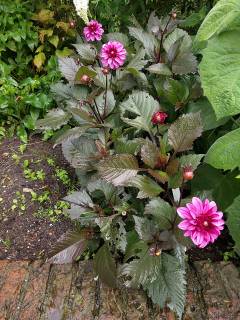
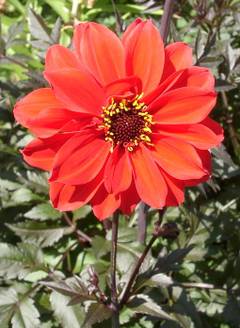
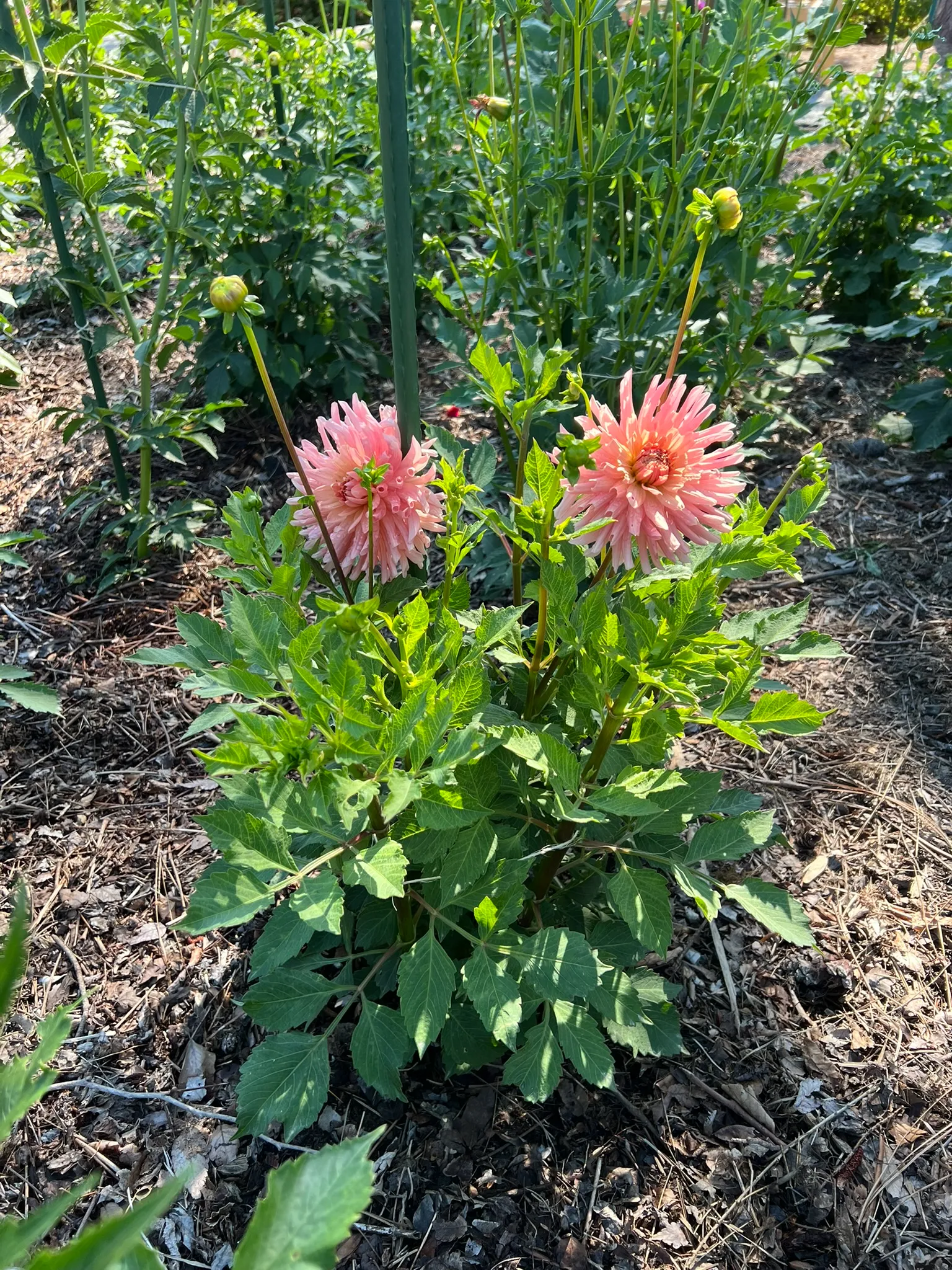
Dahlia Hybrids (genus Dahlia) are tuberous perennials in the daisy family (Asteraceae), native to Mexico and Central America, encompassing thousands of named cultivars grouped into 14 or more official flower-form divisions. Plants range from compact bedding types 12-18 inches (30-45 cm) tall to giant varieties reaching 4-6 feet (120-180 cm). Leaves are opposite and pinnately compound with ovate toothed leaflets in medium to dark green. Flower heads range from 2 inches (5 cm) in ball and pompon types up to 12 inches (30 cm) in dinner-plate decorative types, across forms including single, anemone, collarette, waterlily, decorative, ball, pompon, cactus, and semi-cactus. The full color range spans white, cream, yellow, orange, pink, red, purple, and bronze; bicolors, picotees, and blends are common, but true blue is absent from the genus. Plants flower from midsummer through hard frost across a 14-week bloom window in most zones. Tubers are tender and must be lifted and stored through winter in zones 7 and colder. Staking is required for all types taller than 2 feet (60 cm) to keep the hollow stems from wind damage.
Native Range
Species in the genus Dahlia are native to the highlands of Mexico, Guatemala, and Colombia, growing in open woodlands, meadows, and disturbed ground at 3,000-10,000 ft (900-3,000 m) elevation. Modern garden dahlias are complex interspecific hybrids derived from 200+ years of selection and breeding following the introduction of species to Europe in the late 18th century.Suggested Uses
Grown in dedicated dahlia borders, cutting gardens, and mixed perennial beds at 18-36 inch (45-90 cm) spacing depending on cultivar size. Compact bedding types suit containers of 5 gallons (19 L) or larger. Stems last 5-8 days in water when cut in the early morning at the bud stage, which places the genus among the more productive cut-flower plants available to the home gardener — the 14-week bloom window supports continuous harvest from July through October. Zone 7 winter hardiness is the threshold above which tubers can be left in ground; colder zones require annual lift-and-store management of the tuber stock.How to Identify
Appearance
Size & Dimensions
Height1' - 6'
Width/Spread1' - 3'
Colors
Bloom Information
Blooms midsummer through first hard frost, typically July through October in zones 4-8 across a 14-week bloom window. In zones 9-10, bloom begins earlier (May-June) and plants may go semi-dormant during peak summer heat before reblooming in fall. Pinching the growing tip when plants reach 12 inches (30 cm) delays first bloom by 2-3 weeks but increases the number of flowering stems and total flower count substantially.
Detailed Descriptions
Flower Description
White, cream, yellow, orange, pink, red, purple, and bronze, plus bicolors, picotees, and blends; flower heads 2-12 inches (5-30 cm) across in forms including single, anemone, collarette, waterlily, decorative, ball, pompon, cactus, and semi-cactus — true blue is absent from the genusFoliage Description
Medium to dark green opposite pinnately compound leaves with ovate toothed leafletsGrowing Conditions
Sun Requirements
Requires 6-8 hours of direct sunlight daily
• Full Sun: 6+ hours of direct sunlight
• Partial Shade: 3-6 hours of direct sunlight
• Full Shade: Less than 3 hours of direct sunlight
Care & Maintenance
Care Guide
Plant tubers after the last frost date, 4-6 inches (10-15 cm) deep in full sun in fertile well-drained soil at pH 6.0-7.0. Stake tall cultivars at planting rather than waiting until the plant falls over. Water deeply and regularly once plants emerge; inconsistent watering causes bud drop. Fertilize every 3-4 weeks with a low-nitrogen, high-phosphorus-and-potassium fertilizer to support tuber development and flowering. Deadhead spent flowers to maintain continuous bloom. In zones 7 and colder, lift tubers after the first frost kills the foliage, cut stems to 4 inches (10 cm), cure for one week in a dry location, and store at 40-50°F (4-10°C) in barely moist peat or vermiculite through winter.Pruning
Pinch the growing tip at 12 inches (30 cm) height — removing the top two leaf pairs — to encourage branching and more flowering stems. Deadhead spent flowers promptly by cutting back to a side bud to maintain continuous bloom. Disbud side buds on tall decorative and cactus types to direct energy into a single large central flower per stem for exhibition. Remove all foliage and cut stems to 4 inches (10 cm) after frost kills the top growth.Pruning Schedule
Prune: June–October
late springsummerfall
Container Growing
Suitable for container growing
Minimum container size: 5 gallons