Croton, Genus, setiger, Species,
- Genus & species
turkey mullein
Overview
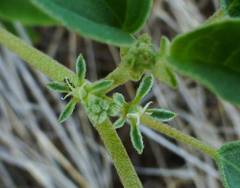
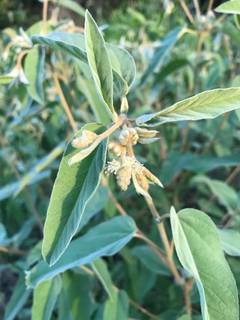
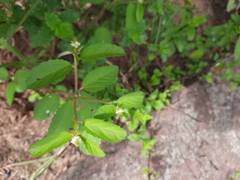
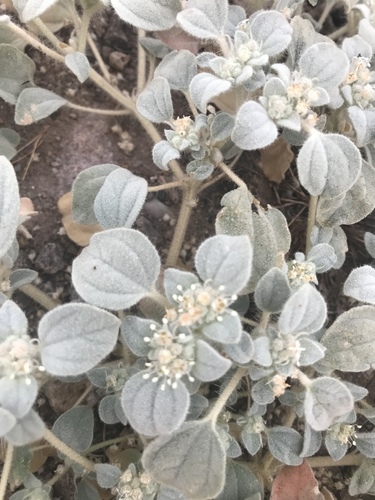
Croton setiger is a low-growing summer annual in the spurge family (Euphorbiaceae), forming a dense, rounded mat 4-16 inches (10-40 cm) tall and often wider than tall. The whole plant is covered in dense gray-green to silvery star-shaped hairs that give it a felted, woolly feel and rub off readily. The alternate leaves are oval to diamond-shaped, 0.5-2 inches (1-5 cm) long, on long stalks. Plants are monoecious, with tiny separate male and female flowers; the inconspicuous male flowers cluster at the stem tips and the female flowers sit lower, each producing a single smooth seed. The crushed foliage gives off a sharp resinous odor. It germinates with summer warmth, matures quickly, and dies with the first hard frost. C. setiger colonizes dry, disturbed, compacted ground where little else grows, including roadsides, overgrazed range, and dry fields. The foliage contains compounds toxic to cattle and horses, and the hairs can irritate skin, while the oily seeds are a staple food of mourning doves and quail.
Native Range
Native to western North America, Croton setiger ranges from Washington and Oregon south through California to Baja California and east to Idaho, Nevada, and Arizona. It grows in dry, open, disturbed habitats including valley grassland, roadsides, fields, and overgrazed rangeland.Suggested Uses
Used in restoration of dry, disturbed western soils, native annual plantings, and wildlife or game-bird habitat for its seed. It establishes on bare, compacted ground that resists other plants. The seeds feed doves, quail, and other ground-feeding birds.How to Identify
Appearance
Size & Dimensions
Height4" - 1'4"
Width/Spread8" - 2'
Bloom Information
Detailed Descriptions
Foliage Description
gray-green to silveryGrowing Conditions
Sun Requirements
Requires 6-12 hours of direct sunlight daily
• Full Sun: 6+ hours of direct sunlight
• Partial Shade: 3-6 hours of direct sunlight
• Full Shade: Less than 3 hours of direct sunlight
Water & Climate
Water Needs
Drought Tolerance
Drought tolerant when established
Care & Maintenance
Care Guide
Grows in full sun on dry, lean, well-drained or compacted soils across a wide pH range from about 6.0 to 8.0. It is adapted to drought and heat and needs no supplemental water once germinated. Rich, moist, or shaded conditions reduce the dense woolly habit and overall vigor. As a warm-season annual it germinates only after soils warm in late spring. It self-sows where soil stays open and bare. The plant completes its life cycle and dies back with autumn frost.Pruning
No pruning is needed. As an annual it is pulled after it dies back in fall where seedlings are not wanted the next year. Leaving the dried plants in place allows seed to drop for birds and natural reseeding.Toxicity Warning
Toxic to pets and humansPlanting Guide
Planting Methods & Timing
Planting Method
direct sow