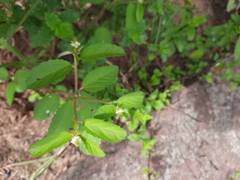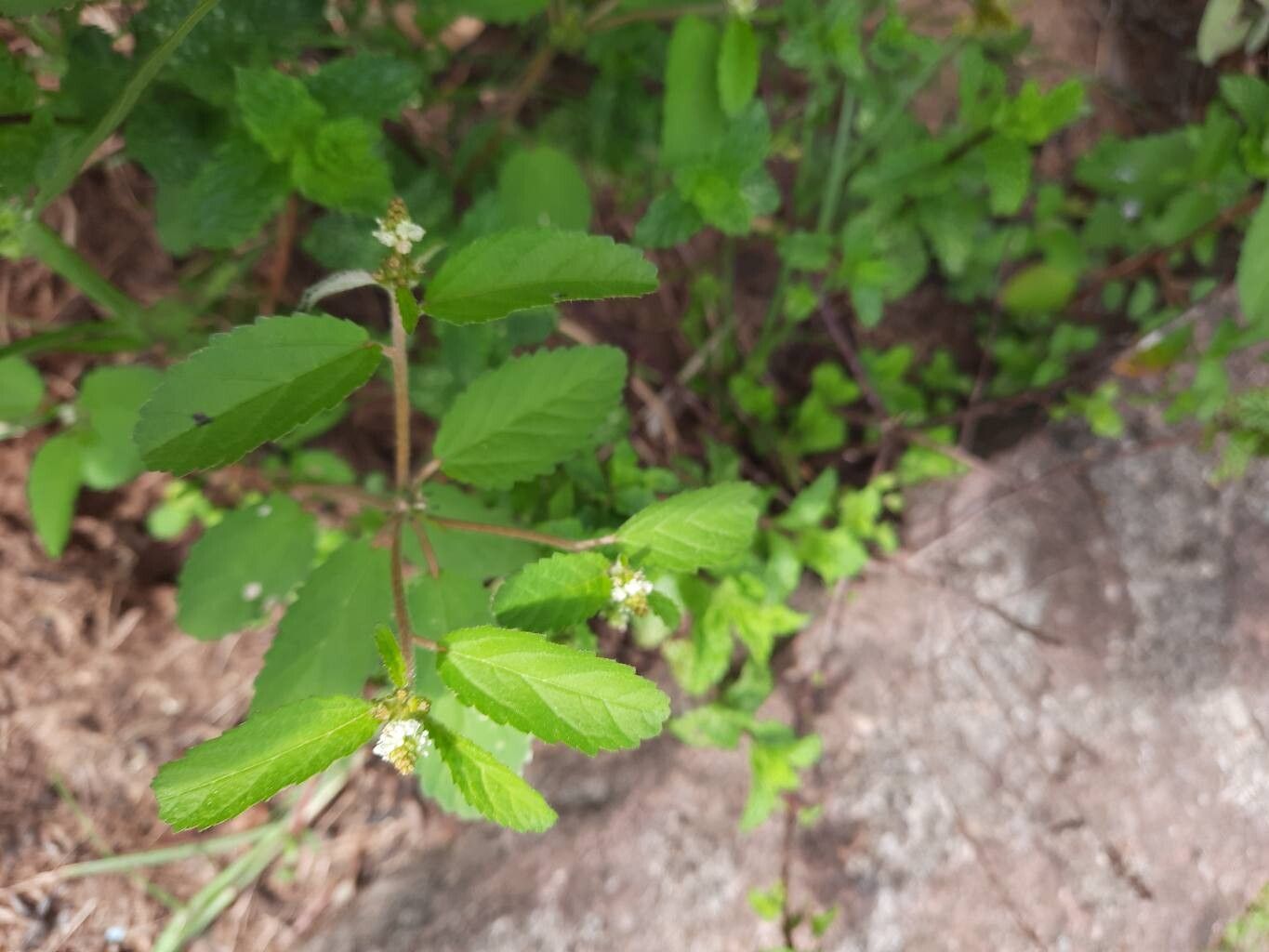
Croton, Genus, spp., Multiple species,
- Genus
- Multiple species
crotons
Pantropical: tropical America, Africa, and Asia
Overview
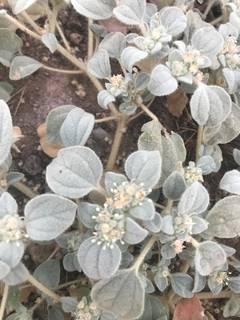
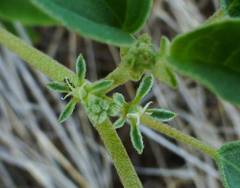
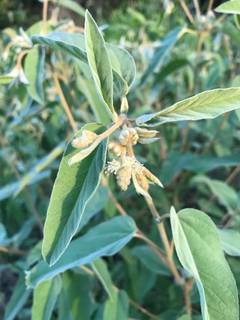
Croton is a large genus of about 1,200 species of shrubs, small trees, and herbs in the spurge family, Euphorbiaceae, distributed throughout the tropics and subtropics of the Americas, Africa, Asia, and the Pacific. Plants range from low herbs under 0.5 m (1.6 ft) to trees reaching 10-12 m (33-40 ft), most forming shrubs 1-4 m (3-13 ft) tall. The alternate leaves are simple, often ovate to lance-shaped, 3-20 cm (1.2-8 in) long, and many species are coated in star-shaped (stellate) or scaly hairs that give the foliage a silvery, rusty, or grey cast. Small flowers are borne in slender spikes, the male and female flowers usually separate on the same plant; petals are reduced or absent and the female flowers develop into three-lobed capsules that split to eject seeds. Most species contain an acrid latex and toxic diterpene compounds; Croton tiglium yields croton oil, a severe skin irritant and purgative. The foliage, sap, and seeds of many species are poisonous to people and livestock, which limits their use around grazing animals and homes.
Native Range
Croton is pantropical, with the greatest number of species in the seasonally dry forests and scrublands of tropical America, followed by Africa and Asia. Individual species occupy habitats from coastal dunes and savannas to rocky hillsides and disturbed roadsides.Suggested Uses
Croton species are grown in tropical and subtropical gardens as informal shrubs, screens, and dryland plantings, and several are used in traditional medicine and as sources of dye and timber. Croton oil from C. tiglium has been used historically as a purgative and in chemical research. Their toxicity restricts use in spaces shared with pets and children.How to Identify
Appearance
Size & Dimensions
Height1' - 13'
Width/Spread3' - 10'
Bloom Information
Flowering time varies with species and climate, with many tropical species flowering through the warm or wet season and some blooming nearly year-round. The small flowers are clustered in narrow spikes and carry little color, drawing bees and flies for pollination. Three-lobed capsules ripen weeks later and split open to scatter seed.
Detailed Descriptions
Flower Description
Greenish-white to creamFoliage Description
Green, often silvery, grey, or rusty from stellate hairsGrowing Conditions
Sun Requirements
Requires 6-10 hours of direct sunlight daily
• Full Sun: 6+ hours of direct sunlight
• Partial Shade: 3-6 hours of direct sunlight
• Full Shade: Less than 3 hours of direct sunlight
Care & Maintenance
Care Guide
Most shrubby Croton species grow in full sun on free-draining sandy or rocky soils and tolerate heat, drought, and poor fertility once established. They are frost-sensitive, with growth checked below about 5 C (41 F) and most species killed by freezing. Watering needs are low for established plants, though young plants benefit from regular moisture. The acrid latex and toxic seeds make the plants hazardous to handle and to grow where children or livestock are present. Many species reseed freely on disturbed ground and can spread beyond planted areas. Hardiness is limited to frost-free and near-frost-free regions, roughly USDA zones 9-11.Pruning
Shrubby species are cut back after flowering or in early spring to maintain shape and density, with the acrid sap a hazard during cutting. Leggy stems respond to hard pruning by branching from the base. Spent seed capsules are removed to limit self-sowing.Pruning Schedule
Prune: March–April
early spring
Container Growing
Suitable for container growing
Minimum container size: 3 gallons