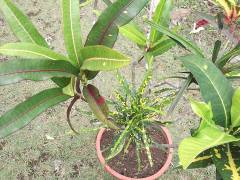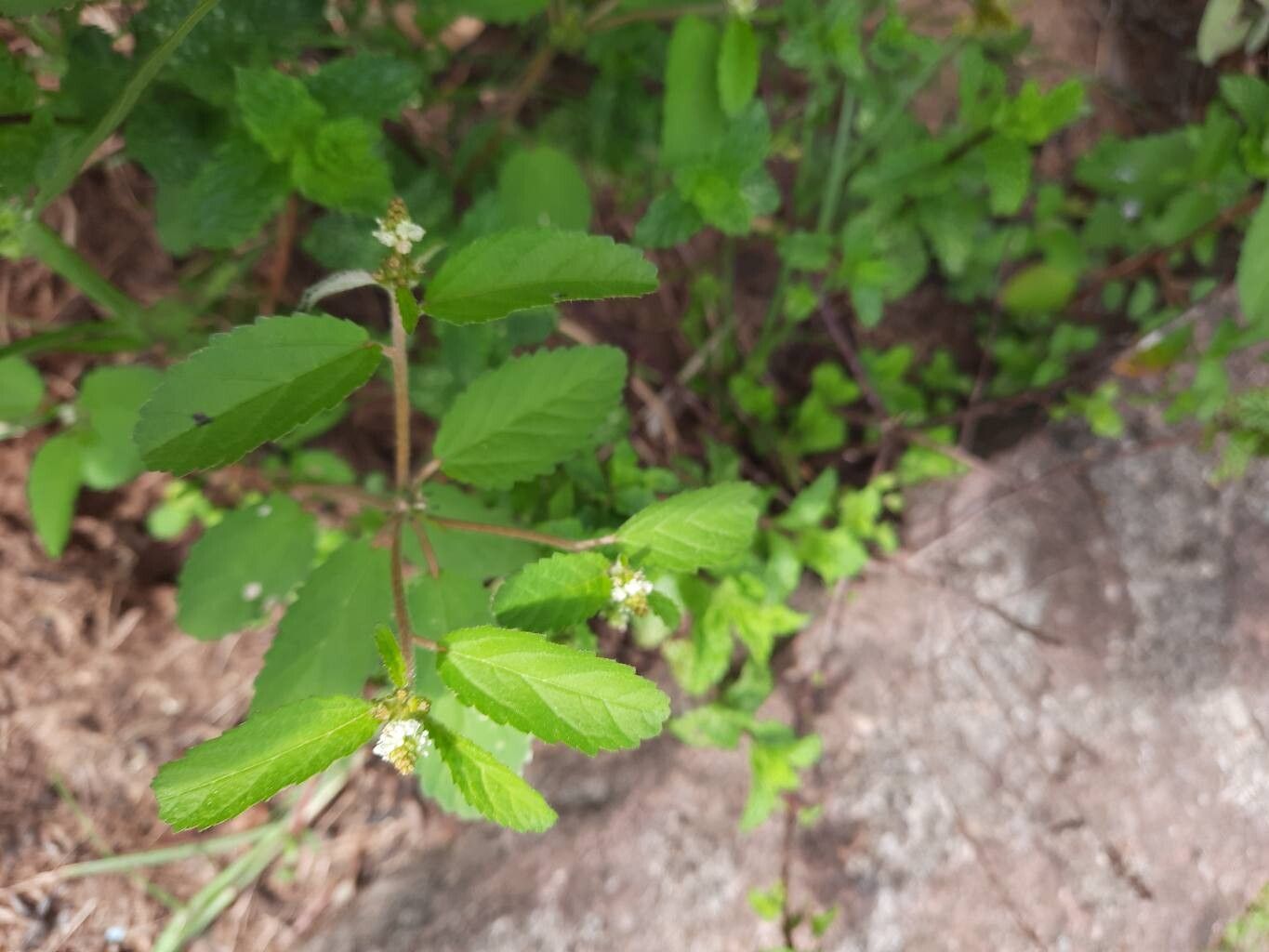
Croton, Genus, glandulosus, Species,
- Genus & species
tropic croton
Southeastern United States and tropical America
SunFull Sun
Overview
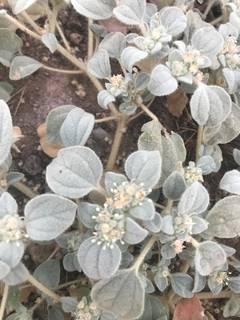
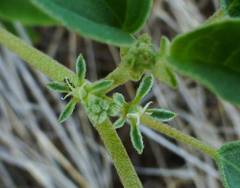
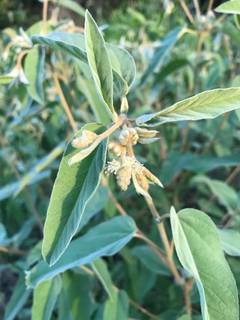
Croton glandulosus is an annual herb in the spurge family, growing 6–24 inches (15–60 cm) tall on an erect, branching stem covered in rough, star-shaped hairs. The alternate leaves are 1–3 inches (2.5–7.5 cm) long, oblong with toothed margins, and bear a pair of small saucer-shaped glands where the blade meets the leaf stalk. It is monoecious, carrying separate tiny male and female flowers in short clusters at the branch tips; the flowers are greenish and inconspicuous, without petals of note. Three-lobed capsules follow and split to release seeds. It germinates in late spring and completes its cycle by autumn, growing in disturbed ground, fields, roadsides, and sandy open soil across the southeastern United States and warmer parts of the Americas. It is widespread as a weed of cultivated and disturbed land. The sap and seeds contain irritant compounds reported to be toxic to people and livestock if eaten, and the foliage can irritate skin on contact.
Native Range
Croton glandulosus is native to the southeastern United States and tropical America, ranging from the southern and eastern United States south through Mexico, Central America, and South America.Suggested Uses
It has no ornamental or cultivated use and occurs as a weed of fields, roadsides, and disturbed ground. It produces seed eaten by some ground-foraging birds in its range.How to Identify
Appearance
Size & Dimensions
Height6" - 2'
Width/Spread4" - 1'
Bloom Information
Detailed Descriptions
Flower Description
greenish, inconspicuousFoliage Description
green, rough-hairyGrowing Conditions
Sun Requirements
Requires 6-12 hours of direct sunlight daily
• Full Sun: 6+ hours of direct sunlight
• Partial Shade: 3-6 hours of direct sunlight
• Full Shade: Less than 3 hours of direct sunlight
Water & Climate
Water Needs
Drought Tolerance
Drought tolerant when established