Cotoneaster, Genus, ×, Hybrid, suecicus, Species,
- Genus & species
- Hybrid
Swedish cotoneaster
Garden origin (parent species from China)
Overview
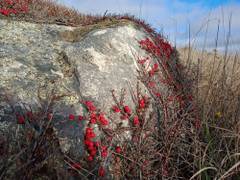
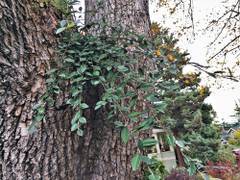
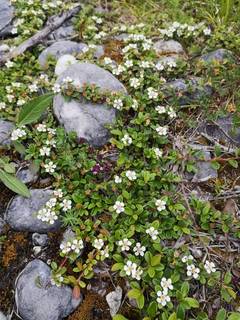
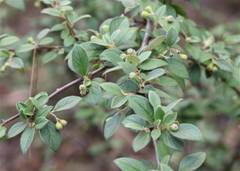
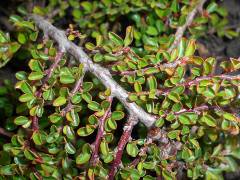
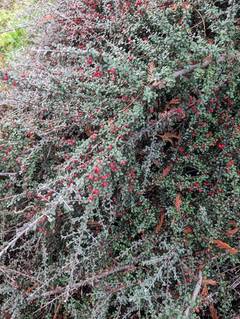
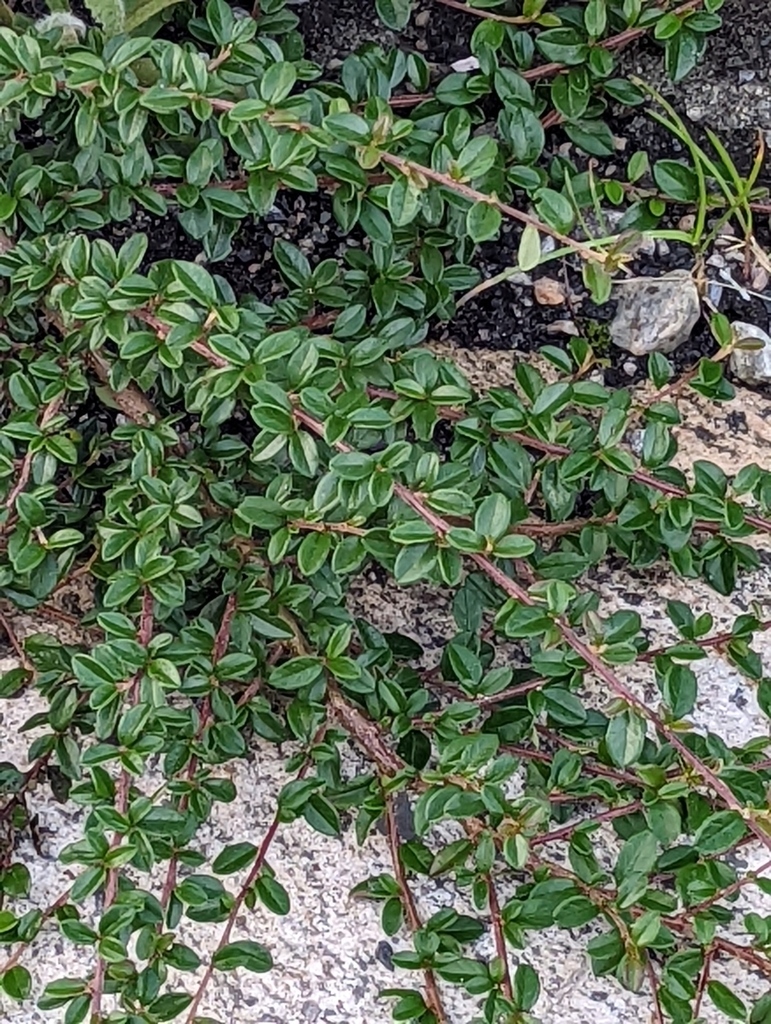
Cotoneaster × suecicus is a hybrid cotoneaster grown as a low, spreading evergreen to semi-evergreen shrub. It reaches 1.5–3 feet (45–90 cm) tall and spreads 4–6 feet (1.2–1.8 m) wide, with arching branches that root where they touch moist soil. The leaves are small, 0.4–0.8 inch (1–2 cm) long, oval, glossy dark green above and paler beneath, holding through winter in mild climates. Small white flowers, about 0.3 inch (8 mm) across, open in late spring along the branches, singly or in small clusters. Bloom is followed by rounded berries 0.25–0.3 inch (6–8 mm) across that ripen orange-red to red in autumn and persist into winter. The dense, low habit forms a ground-covering mat, though the rooting branches can spread beyond the intended area. It tolerates a range of soils and exposed sites. Fireblight and cotoneaster webworm can affect plants in some regions.
Native Range
Cotoneaster × suecicus is a hybrid of garden origin within the genus Cotoneaster. Its parent species are native to western China, the source region of many cultivated cotoneasters.Suggested Uses
Used as a groundcover on banks and slopes, for erosion control, and in low mass plantings and foundation beds. The flowers draw bees and the berries feed birds in autumn and winter. Spaced 3–4 feet (90–120 cm) apart for ground cover.How to Identify
Appearance
Size & Dimensions
Height1'6" - 3'
Width/Spread4' - 6'
Bloom Information
Small white flowers open in late spring, roughly May to June, along the arching branches. Bees visit the flowers freely. Orange-red to red berries develop through summer and ripen in autumn, persisting on the plant into winter.
Detailed Descriptions
Foliage Description
dark greenGrowing Conditions
Sun Requirements
Requires 4-10 hours of direct sunlight daily
• Full Sun: 6+ hours of direct sunlight
• Partial Shade: 3-6 hours of direct sunlight
• Full Shade: Less than 3 hours of direct sunlight
Care & Maintenance
Care Guide
Grows in full sun to part shade in well-drained soil of average fertility, tolerating a soil pH from 5.5 to 7.5 and clay, loam, or sandy ground. Water needs are low once established, and the plant withstands dry spells and exposed sites. Hardy in USDA zones 5–8, it holds its foliage in mild winters and may drop leaves in cold ones. Branches root where they contact moist soil, which can extend the planting beyond its intended bounds. Fireblight can cause branch dieback in warm, wet conditions.Pruning
Long or wayward branches are trimmed in late winter or after flowering to shape the plant. Diseased wood is cut out well below any sign of fireblight. The low habit needs little routine pruning.Pruning Schedule
Prune: February & June
wintersummer
Container Growing
Suitable for container growing
Minimum container size: 5 gallons