Cotoneaster, Genus, rehderi, Species,
- Genus & species
bullate cotoneaster
Mountains of western China (Sichuan and Yunnan)
Overview
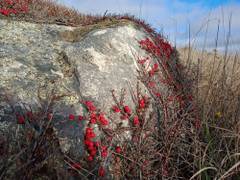
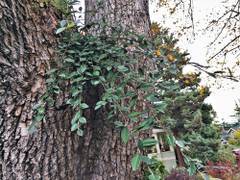
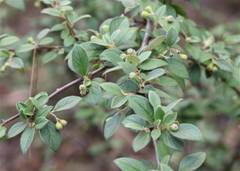
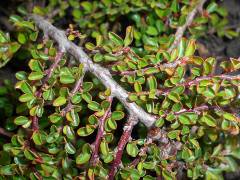
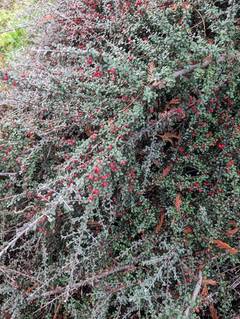
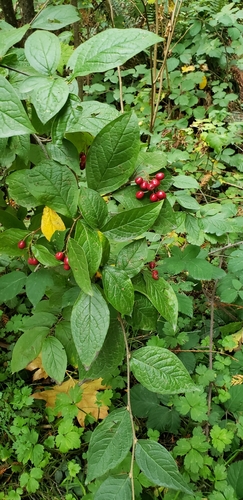
Cotoneaster rehderi is a large deciduous shrub 8-15 feet (2.4-4.5 m) tall with arching branches and a spreading, open frame. It is closely related to C. bullatus and shares its deeply puckered (bullate) leaves: dark green, strongly veined, 2-5 inches (5-12 cm) long, turning shades of red and orange before they fall. In early summer it carries small clusters of white flowers flushed pink, which draw bees and other insects. These are followed in autumn by clusters of round red fruits about 0.3 inch (7 mm) across that persist into winter and are eaten by birds. Native to mountain woodland and scrub in western China, it grows on most well-drained soils and tolerates exposure, drought once established, and a range of pH. The fruits contain cyanogenic compounds and can cause stomach upset if eaten in quantity by people or pets. Some cotoneasters spread by bird-sown seed and are treated as invasive in parts of Europe, so seedlings may appear away from the parent plant. Its size makes it suited to larger gardens rather than small beds.
Native Range
Cotoneaster rehderi is native to western China, particularly the mountains of Sichuan and Yunnan, where it grows in woodland margins, scrub, and on rocky slopes. It was introduced to Western gardens in the early twentieth century for its foliage and fruit.Suggested Uses
Grown as a specimen or informal screen in larger gardens and on banks, where its autumn fruit and leaf color extend the season. It supports wildlife, with flowers for pollinators and fruit for birds. Its eventual size and self-seeding make it less suited to small or formal gardens.How to Identify
Appearance
Size & Dimensions
Height8' - 15'
Width/Spread8' - 12'
Bloom Information
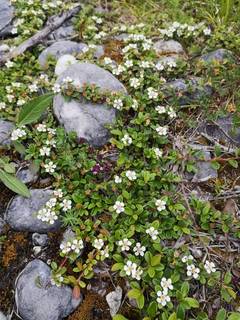
Small white flowers flushed pink open in early summer, usually June to July, in short-stalked clusters along the branches. They are visited by bees and other pollinating insects. Round red fruits develop through late summer and ripen in autumn, persisting into winter.
Detailed Descriptions
Foliage Description
Dark green, bullate, red and orange in autumnGrowing Conditions
Sun Requirements
Requires 4-10 hours of direct sunlight daily
• Full Sun: 6+ hours of direct sunlight
• Partial Shade: 3-6 hours of direct sunlight
• Full Shade: Less than 3 hours of direct sunlight
Care & Maintenance
Care Guide
Cotoneaster rehderi grows in full sun to partial shade on any well-drained soil, including clay, chalk, and sandy ground. Once established it tolerates wind, drought, and a wide pH range, needing watering mainly in its first seasons. It is hardy across USDA zones 5 to 8 and needs no winter protection in most temperate gardens. Heavy, waterlogged soil is the main condition it does not tolerate. It needs little feeding on average soils. Plants fruit most freely in full sun.Pruning
Prune in late winter or early spring before growth resumes, removing crossing, dead, or crowded stems to keep an open framework. Older shrubs can be renewed by cutting some of the oldest stems to the base. Hard pruning is tolerated but reduces that season flowering and fruiting.Pruning Schedule
Prune: February–March
winterearly spring