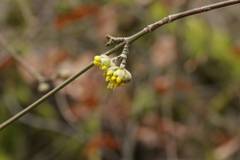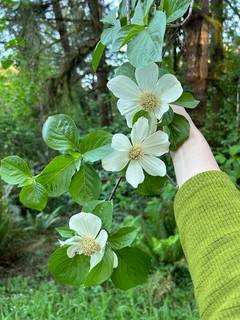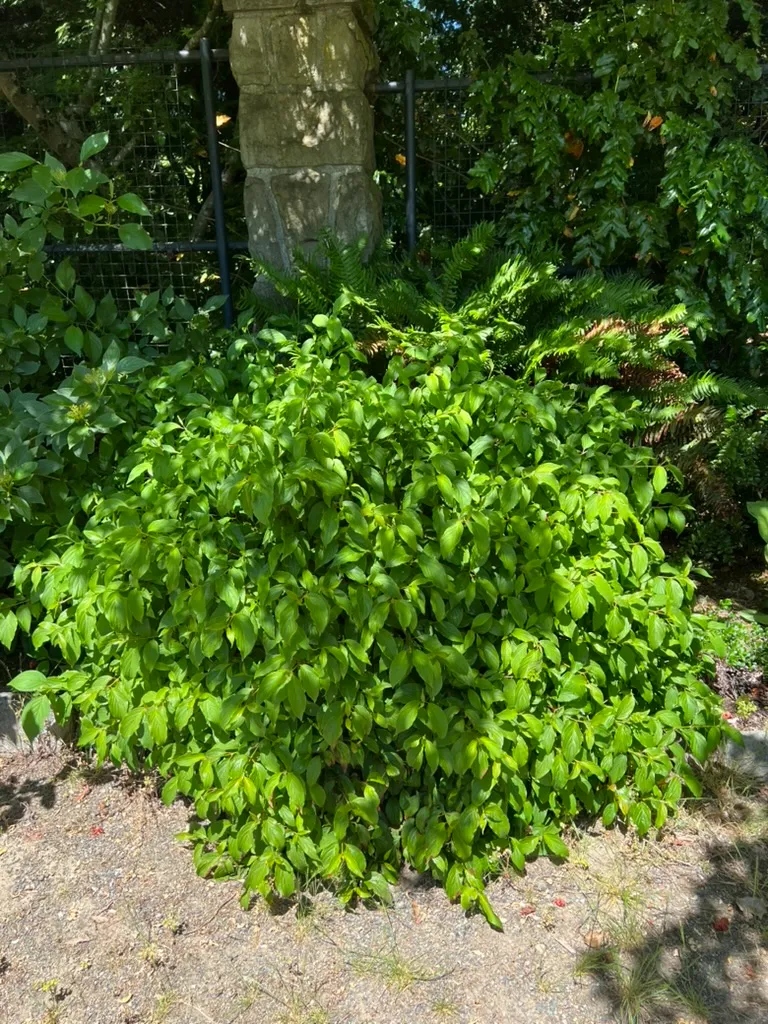
Image 1 of 8
1 / 8
Plant Reference
Cornus, Genus, sericea, Species, 'Kelseyi', Cultivar,
- Genus & species
- Cultivar
dwarf red twig dogwood
The species {C. sericea} is native throughout temperate North America; 'Kelseyi' is a cultivar of garden origin selected for dwarf habit
Overview
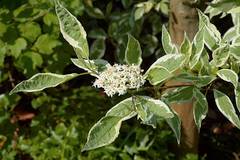
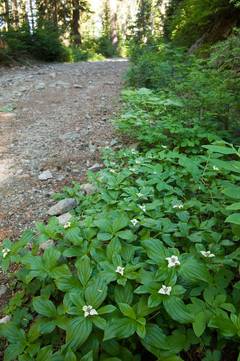
Cornus sericea 'Kelseyi' is dwarf red twig dogwood (dwarf red osier), a compact mounding deciduous shrub growing 2-3 feet (60-90 cm) tall and 3-4 feet (90-120 cm) wide. A dwarf selection of C. sericea — 2-3 feet (60-90 cm) vs. 6-10 feet (1.8-3 m) for the species. Medium green ovate leaves 2-3 inches (5-7 cm) with arcuate venation. Turns burgundy-red in fall in full sun. Creamy white tiny flowers in flat-topped cymes 1-2 inches (2.5-5 cm) in May-June. Red-green winter stems — less vivid red than the species type or 'Arctic Fire'. In Cornaceae. Suckers less aggressively than the species — the reduced suckering and compact size are the cultivar's primary advantages. Susceptible to canker and twig blight in humid conditions — stems can die back individually. This dieback susceptibility is the primary limitation. Not drought-tolerant — requires consistently moist soil. Toxic to pets. Zones 2-8. Full sun to partial shade. Growth rate is moderate.
Native Range
The species C. sericea is native throughout temperate North America. 'Kelseyi' is a cultivar of garden origin selected for dwarf habit.Suggested Uses
Grown as a low mass planting, ground cover substitute, rain garden component, and in containers of at least 10 gallons (38 L). Compact form (2-3 feet / 60-90 cm) fits where the species is too large. Moist soil sites. Red-green winter stems. Native species selection. Toxic to pets. Zones 2-8.How to Identify
Appearance
Size & Dimensions
Height2' - 3'
Width/Spread3' - 4'
Bloom Information
Late spring (May-June). Creamy white tiny flowers in flat-topped cymes 1-2 inches (2.5-5 cm). 3 weeks of bloom. Bee-pollinated. Small white berries follow — sparse.
Detailed Descriptions
Flower Description
Creamy white, tiny, in flat-topped cymes 1-2 inches (2.5-5 cm) diameter — smaller than the speciesFoliage Description
Medium green, ovate with arcuate venation, 2-3 inches (5-7 cm) long; turns burgundy-red in fall in full sunGrowing Conditions
Sun Requirements
Requires 3-8 hours of direct sunlight daily
• Full Sun: 6+ hours of direct sunlight
• Partial Shade: 3-6 hours of direct sunlight
• Full Shade: Less than 3 hours of direct sunlight
Care & Maintenance
Care Guide
Full sun to partial shade (3-8 hours). Consistently moist soil pH 5.5-7.5. Not drought-tolerant. Susceptible to canker and twig blight — remove affected stems promptly. Less suckering than the species but monitor for stolons. Prune in early spring (February-March). Toxic to pets. Zones 2-8.Pruning
Prune in early spring (February-March). Remove dead or blighted stems. Can be sheared lightly for a more formal mound. The compact mounding habit is natural — no coppicing required (unlike the full-sized species).Pruning Schedule
Prune: February–March
early spring
Container Growing
Suitable for container growing
Minimum container size: 10 gallons