Image 1 of 9
1 / 9
Plant Reference
Cornus, Genus, sericea, Species, 'Flaviramea', Cultivar,
- Genus & species
- Cultivar
yellow twig dogwood
The species {C. sericea} is native throughout temperate North America; 'Flaviramea' is a cultivar of garden origin selected for yellow stems
Overview
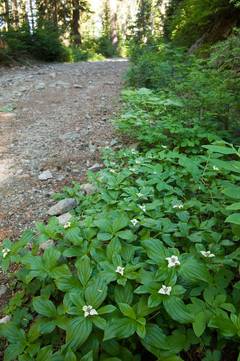
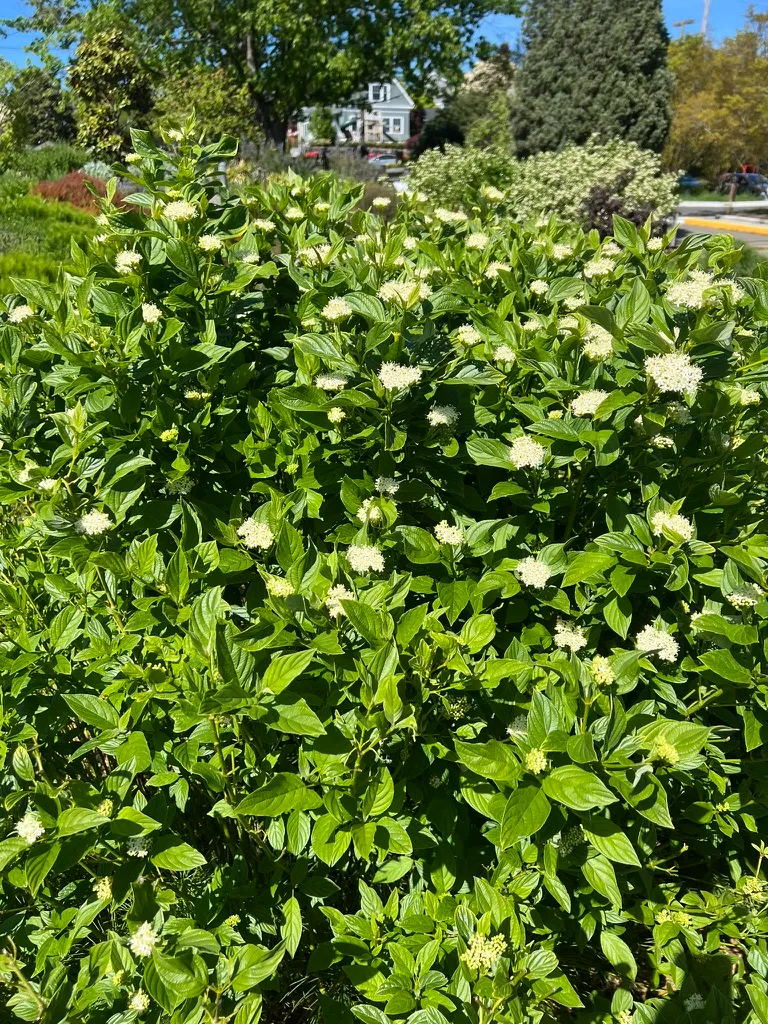
Cornus sericea 'Flaviramea' is yellow twig dogwood (yellow-stemmed dogwood), a spreading deciduous shrub growing 6-8 feet (1.8-2.4 m) tall and 6-8 feet (1.8-2.4 m) wide, suckering from the base and by stolons. Bright yellow-green stems on 1-2 year old growth — the yellow color is the primary winter display. White tiny flowers in flat-topped cymes 2-3 inches (5-7 cm) in May-June. Medium green ovate leaves 2-5 inches (5-13 cm) with arcuate venation. Turns yellow in fall. Small white to bluish-white berries 0.3 inch (8 mm). In Cornaceae. Often planted alongside red-stemmed dogwoods (C. sericea species type or C. alba) for red-and-yellow winter stem contrast. The yellow stem color fades on wood older than 2 years — annual coppicing (removing 1/3 of oldest stems) maintains vivid yellow. Same aggressive suckering habit as the species — forms thickets by stolons. This suckering is the primary limitation. Requires consistently moist to wet soil — not drought-tolerant. Tolerates standing water. Non-toxic. Zones 2-8. Full sun to partial shade. Growth rate is fast.
Native Range
The species C. sericea is native throughout temperate North America. 'Flaviramea' is a cultivar of garden origin selected for yellow stems.Suggested Uses
Grown in mass plantings, streambank stabilization, rain gardens, and wet sites spaced 6-8 feet (1.8-2.4 m). Yellow winter stems — plant alongside red-stemmed dogwoods for contrast. Tolerates wet soil. Native species (cultivar selection). Suckers aggressively — allow space. Non-toxic. Zones 2-8.How to Identify
Appearance
Size & Dimensions
Height6' - 8'
Width/Spread6' - 8'
Bloom Information
Detailed Descriptions
Flower Description
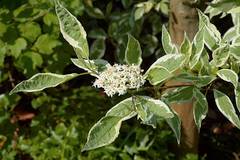
White, tiny, 0.2 inch (5 mm), in flat-topped cymes 2-3 inches (5-7 cm) diameterFoliage Description
Medium green, ovate with arcuate venation, 2-5 inches (5-13 cm) long; turns yellow in fallGrowing Conditions
Sun Requirements
Requires 4-8 hours of direct sunlight daily
• Full Sun: 6+ hours of direct sunlight
• Partial Shade: 3-6 hours of direct sunlight
• Full Shade: Less than 3 hours of direct sunlight
Care & Maintenance
Care Guide
Full sun to partial shade (4-8 hours — yellow stem color is most vivid in full sun). Consistently moist to wet soil pH 5.5-7.5 — tolerates standing water and clay. Not drought-tolerant. Coppice annually: remove 1/3 of oldest stems at ground level in early spring (March). Remove unwanted suckers. Non-toxic. Zones 2-8.Pruning
Coppice annually in early spring (March): remove 1/3 of the oldest stems at ground level. This maintains a supply of 1-2 year old stems with vivid yellow-green winter color. Remove stoloniferous suckers to control spread. Can be hard-pruned to 6 inches (15 cm) every 2-3 years for complete renewal.Pruning Schedule
Prune: March
early spring