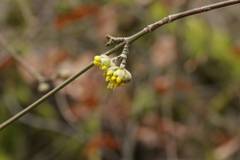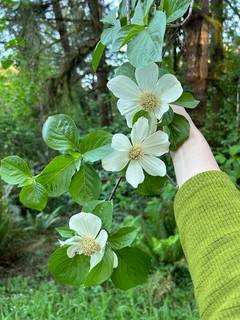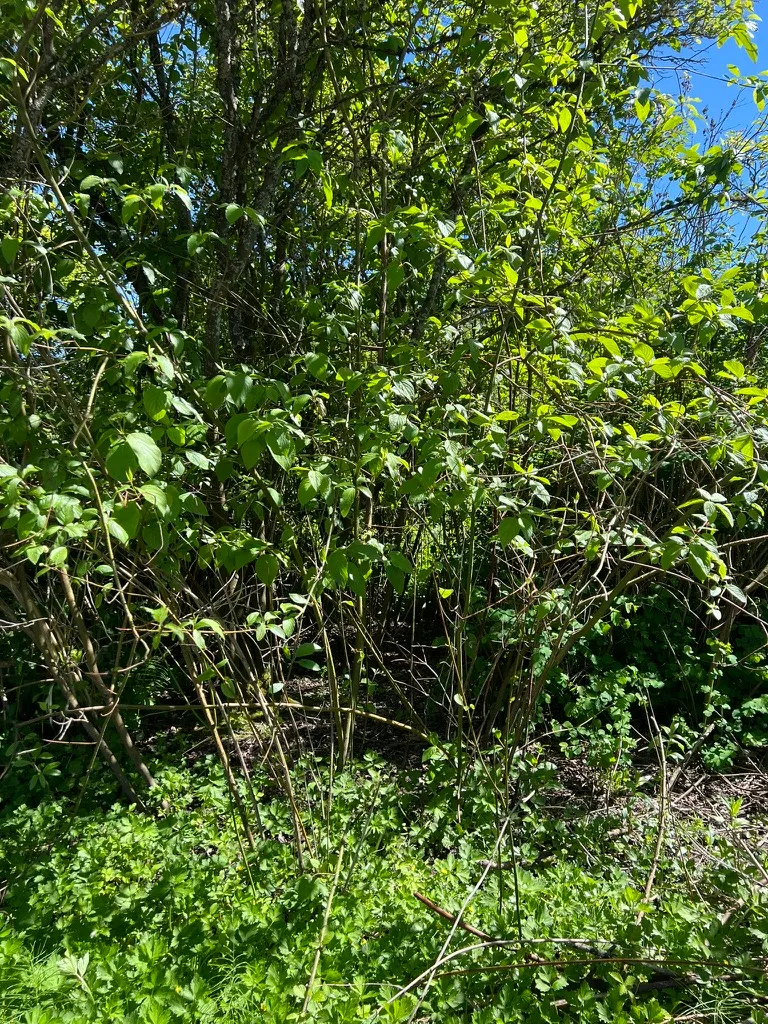
Image 1 of 17
1 / 17
Plant Reference
Cornus, Genus, sericea, Species,
- Genus & species
red twig dogwood, red osier
Throughout temperate North America — from British Columbia east to Newfoundland and south to northern Mexico; wet areas, stream banks, swamps, and floodplains
Overview
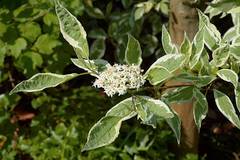
Cornus sericea is red twig dogwood (red osier dogwood), a spreading deciduous shrub growing 6-10 feet (1.8-3 m) tall and 6-10 feet (1.8-3 m) wide, suckering aggressively from the base and by stolons. Dark red stems on 1-2 year old growth — the red color is the primary winter display. Creamy white tiny flowers in flat-topped cymes 2-3 inches (5-7 cm) in May-June. Medium green ovate leaves 2-5 inches (5-13 cm). Turns burgundy-red in fall (most vivid in full sun). Small white to bluish-white berries 0.3 inch (8 mm) in fall. In Cornaceae. Native throughout temperate North America — wet areas, stream banks, swamps. Suckers aggressively and can form extensive thickets 20-30 feet (6-9 m) across — this aggressive suckering is the primary limitation. The red stem color fades on wood older than 2 years — annual coppicing maintains vivid red. Requires consistently moist to wet soil — not drought-tolerant. Tolerates standing water and poorly drained clay. Compact cultivars 'Arctic Fire' (3-4 feet / 90-120 cm) and 'Kelseyi' (2-3 feet / 60-90 cm) sucker less. Toxic to pets. Zones 2-8. Full sun to full shade. Growth rate is fast.
Native Range
Native throughout temperate North America — from British Columbia east to Newfoundland and south to northern Mexico. Found in wet areas, stream banks, swamps, and floodplains.Suggested Uses
Grown in mass plantings, streambank stabilization, rain gardens, wet sites, and wildlife plantings spaced 6-10 feet (1.8-3 m). Red winter stems. Tolerates wet soil and shade. Native to North America. Suckers aggressively — allow space. Compact cultivars for smaller sites. Toxic to pets. Zones 2-8.How to Identify
Appearance
Size & Dimensions
Height6' - 10'
Width/Spread6' - 10'
Bloom Information
Late spring (May-June). Creamy white tiny flowers in flat-topped cymes 2-3 inches (5-7 cm). 3 weeks of bloom. Bee- and butterfly-pollinated. White to bluish-white berries follow in fall.
Detailed Descriptions
Flower Description
Creamy white, tiny, 0.2 inch (5 mm), in flat-topped cymes 2-3 inches (5-7 cm) diameterFoliage Description
Medium green, ovate with arcuate venation, 2-5 inches (5-13 cm) long; turns burgundy-red in fall (most vivid in full sun); fall color is poor in shadeGrowing Conditions
Sun Requirements
Requires 2-8 hours of direct sunlight daily
• Full Sun: 6+ hours of direct sunlight
• Partial Shade: 3-6 hours of direct sunlight
• Full Shade: Less than 3 hours of direct sunlight
Care & Maintenance
Care Guide
Full sun to full shade (2-8 hours — red stem color and fall foliage color are most vivid in full sun). Consistently moist to wet soil pH 5.5-7.5 — tolerates standing water and clay. Not drought-tolerant. Coppice annually: remove 1/3 of oldest stems at ground level in early spring. Remove unwanted suckers. Toxic to pets. Zones 2-8.Pruning
Coppice annually in early spring (February-March): remove 1/3 of the oldest stems at ground level. This maintains a supply of 1-2 year old stems with vivid dark red winter color. Remove stoloniferous suckers to control spread. Can be hard-pruned to 6 inches (15 cm) every 2-3 years for complete renewal.Pruning Schedule
Prune: February–March
early spring