Cornus, Genus, officinalis, Species,
- Genus & species
Japanese cornelian cherry
China and Korea; long cultivated in Japan
Overview
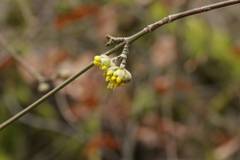
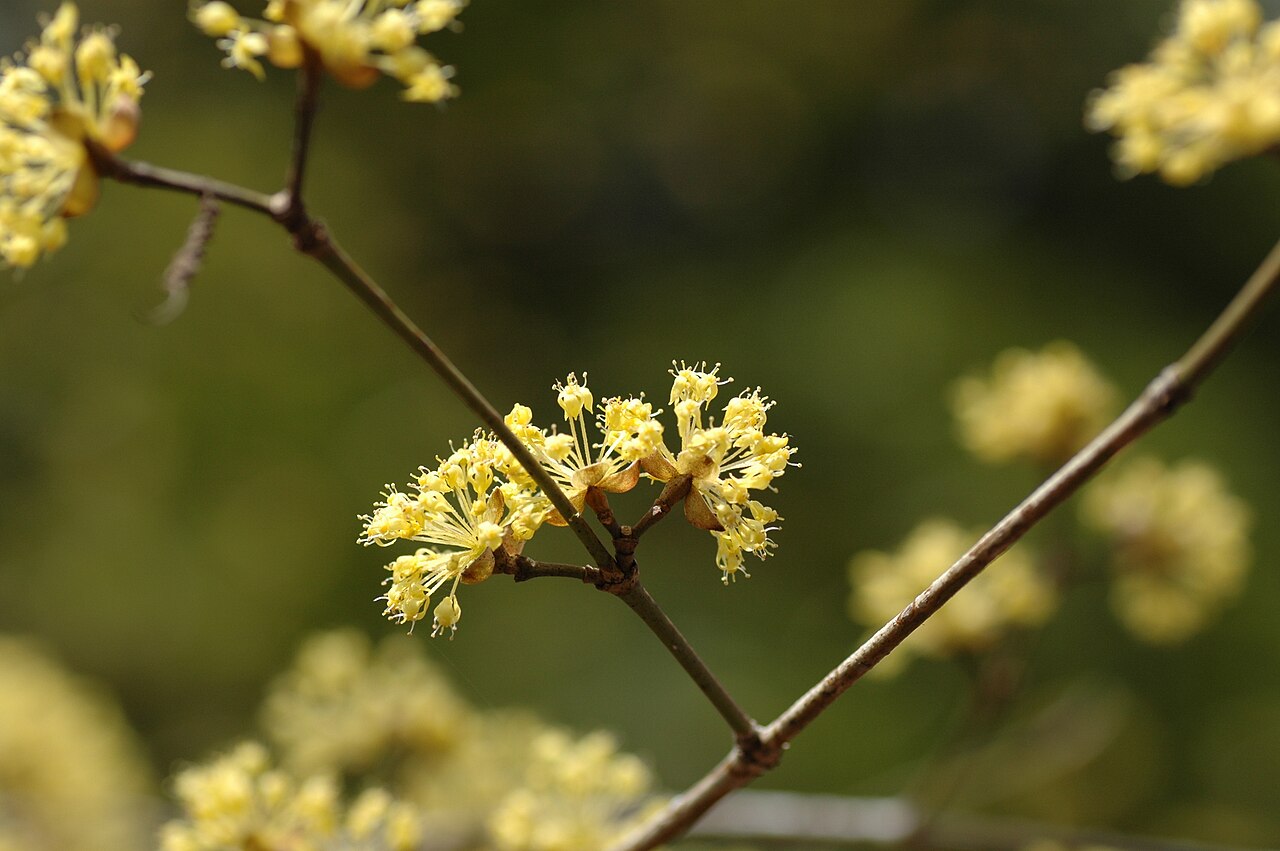
Cornus officinalis is a deciduous large shrub or small tree in the family Cornaceae, native to China and Korea and long cultivated in Japan. Plants reach 15–25 feet (4.5–7.5 m) tall and 10–20 feet (3–6 m) wide, with a rounded to spreading crown. Bark on mature stems flakes in irregular plates, exposing tan to orange-brown inner layers. Leaves are opposite, ovate to elliptic, 2–4 inches (5–10 cm) long, with 5–7 pairs of curved lateral veins and tufts of rusty hairs in the vein axils beneath. Small yellow flowers in umbels 0.75–1 inch (2–2.5 cm) across, each surrounded by four small bracts, open on bare branches from February to March, before leaves emerge. Fruit is an oblong, glossy red drupe 0.5–0.75 inch (12–20 mm) long that ripens from September to October; it is edible, tart, and contains a single large stone. Fall foliage ranges from red to purple. The dried fruit flesh is used in traditional Chinese medicine. Plants are hardy in USDA zones 5–8. Flowering is reduced when late frosts injure open blooms, and fruit drop leaves stained litter beneath the crown.
Native Range
Native to China and Korea, in mountain woodlands and forest margins. Cultivated for centuries in Japan, where it is grown as a garden tree and for its fruit.Suggested Uses
Used as a specimen, in shrub borders, and in fruit and woodland gardens, spaced 10–15 feet (3–4.5 m) apart. Fruit is used in preserves, syrups, and traditional Chinese medicine. The 15–25 foot (4.5–7.5 m) height limits use in small gardens.How to Identify
Appearance
Size & Dimensions
Height15' - 25'
Width/Spread10' - 20'
Bloom Information
Flowers open from February to March, before leaves emerge, and remain in bloom for 2–3 weeks. Flower buds form on the previous season's growth and are visible through winter as rounded buds. Flowers are visited by early-season bees and flies. Hard frost during opening can brown the umbels.
Detailed Descriptions
Foliage Description
Medium to dark greenGrowing Conditions
Sun Requirements
Requires 4-8 hours of direct sunlight daily
• Full Sun: 6+ hours of direct sunlight
• Partial Shade: 3-6 hours of direct sunlight
• Full Shade: Less than 3 hours of direct sunlight
Care & Maintenance
Care Guide
Growth and fruiting are heaviest in full sun to part shade, in moist, well-drained soil with pH 5.5–7.5. Water is applied at 1 inch (2.5 cm) per week during the first two growing seasons; established plants tolerate short dry periods. Cold hardiness is USDA zones 5–8. A 2–3 inch (5–8 cm) layer of mulch conserves soil moisture. Fruit ripens from September to October and is harvested when fully red and soft. Anthracnose and leaf spot occur in warm, humid summers.Pruning
Little pruning is required, and it is done in late spring after flowering because flower buds form on the previous season's growth. Dead, crossing, and low branches are removed to expose the flaking bark. Multi-stemmed plants can be trained to a single trunk by removing basal shoots while young. Plants tolerate hard pruning and regrow from the base.Pruning Schedule
Prune: April–May
late spring