Cirsium, Genus, vulgare, Species,
- Genus & species
bull thistle
Europe, western Asia, northern Africa
Overview
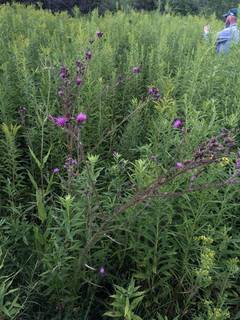
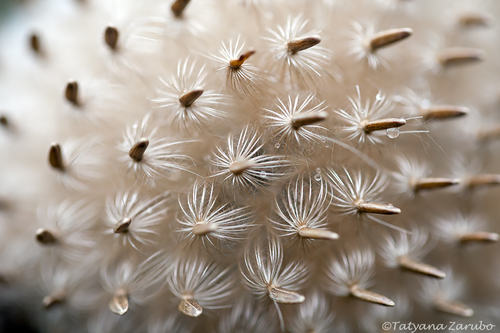
Cirsium vulgare is a coarse, spiny biennial in the daisy family (Asteraceae) reaching 24-72 inches (60-180 cm) tall with an 18-36 inch (45-90 cm) spread. First-year plants form a large, flat rosette of deeply lobed, spiny leaves 6-15 inches (15-38 cm) long, dark green and rough-prickly above, gray-woolly beneath. Second-year stems are erect, branching, and conspicuously winged by decurrent leaf bases bearing stiff, yellow-tipped spines along the wings. Flower heads are solitary or clustered at branch tips, 1.5-2 inches (4-5 cm) in diameter, with purple to magenta tubular florets emerging from a spiny, cobwebby involucre. Pappus bristles are feathery (plumose), a trait that separates Cirsium from Carduus (simple bristles). Each plant produces 4,000-10,000 seeds that disperse by wind. Seeds remain viable in soil for 3-5 years. Plants develop a fleshy taproot in the first year, reaching 12-28 inches (30-70 cm) in depth. Unlike C. arvense, bull thistle does not spread by creeping lateral roots and reproduces only by seed. The species is listed as a noxious weed in multiple U.S. states. Dense infestations form in overgrazed pastures, clearcuts, and disturbed roadsides.
Native Range
Cirsium vulgare is native to Europe, western Asia, and northern Africa, occurring in meadows, roadsides, pastures, and forest clearings from sea level to approximately 7,500 feet (2,300 m). Introduced to North America, Australia, and New Zealand, the species is naturalized across all 50 U.S. states and all Canadian provinces.Suggested Uses
Used in weed identification training for separating thistle genera (Cirsium versus Carduus versus Centaurea) based on pappus type and stem wing characters. Studied in rangeland management and biological control ecology. Seeds are a food source for goldfinches. Flower heads are visited by bumblebees and painted lady butterflies.How to Identify
Appearance
Size & Dimensions
Height2' - 6'
Width/Spread1'6" - 3'
Bloom Information
Flowers appear June through September in the second year. Individual flower heads bloom for 5-8 days. Flowering progresses from the terminal head downward over 6-8 weeks. In the Pacific Northwest, peak flowering occurs in July through August. Seeds mature 2-3 weeks after pollination and disperse by wind via the plumose pappus. Flowers are pollinated by bumblebees, butterflies, and hummingbirds.
Detailed Descriptions
Flower Description
Purple to magenta tubular florets in heads 1.5-2 inches (4-5 cm) emerging from a spiny, cobwebby involucreFoliage Description
Dark green above, gray-woolly beneath; deeply lobed with stiff yellow-tipped spines; upper leaf surface rough and pricklyGrowing Conditions
Sun Requirements
Requires 6-12 hours of direct sunlight daily
• Full Sun: 6+ hours of direct sunlight
• Partial Shade: 3-6 hours of direct sunlight
• Full Shade: Less than 3 hours of direct sunlight