Cestrum, Genus, spp., Multiple species,
- Genus
- Multiple species
cestrums
Overview
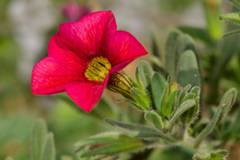
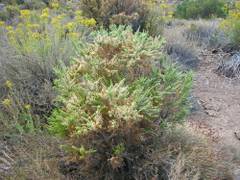
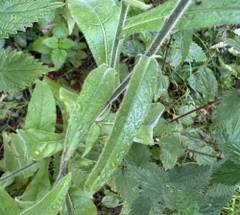
Cestrum is a genus of about 150 to 250 species of evergreen and semi-evergreen shrubs in the nightshade family Solanaceae, native to the warm temperate, subtropical, and tropical Americas. Plants form upright to arching or scrambling shrubs mostly 3-12 ft (0.9-3.7 m) tall, with simple, alternate, soft-textured leaves that give off a strong smell when bruised. The tubular flowers narrow at the base and flare into five short lobes, and they are carried in dense clusters at the stem tips and leaf axils. Across the genus the flowers are white, cream, yellow, orange, red, or greenish, and many species are powerfully fragrant, often releasing scent at night as in the night-blooming jasmine, C. nocturnum. Round berries follow, usually white, red, or black. The genus grows in woodland edges, clearings, and disturbed ground and flowers over a long warm season. All parts of Cestrum contain toxic alkaloids and saponins and are poisonous to humans and livestock if eaten. Several species, including C. nocturnum, C. parqui, and C. aurantiacum, have naturalised and become invasive weeds in warm regions outside the Americas.
Native Range
The genus is native to the Americas, ranging from the southern United States and Mexico through Central America and the Caribbean to subtropical South America. The centre of diversity lies in the Andes and Central America.Suggested Uses
Cestrum is grown as a flowering and fragrant shrub in borders, against warm walls, and in large containers, with night-scented species placed near seating and windows for evening fragrance. Plants are spaced 4-8 ft (1.2-2.4 m) apart. In frost-prone areas the genus is grown as a conservatory or patio plant.How to Identify
Appearance
Size & Dimensions
Height3' - 12'
Width/Spread3' - 10'
Bloom Information
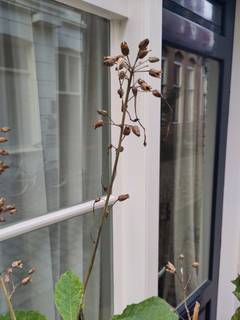
Cestrum flowers over a long warm season, with many species blooming in repeated flushes from spring through autumn, and nearly year-round in frost-free climates. Night-scented species such as C. nocturnum release their strongest fragrance after dusk. Berries follow the flowers and can be present alongside later blooms.
Detailed Descriptions
Flower Description
white, cream, yellow, orange, red, or greenishFoliage Description
greenGrowing Conditions
Sun Requirements
Requires 5-8 hours of direct sunlight daily
• Full Sun: 6+ hours of direct sunlight
• Partial Shade: 3-6 hours of direct sunlight
• Full Shade: Less than 3 hours of direct sunlight
Care & Maintenance
Care Guide
Grow Cestrum in full sun to part shade in fertile, moist, free-draining soil with a pH of 6.0-7.5. The genus grows fast and flowers heavily in warmth, and most species are frost-tender, cut back by hard frost but often resprouting from the base. Water regularly through the growing season and feed every few weeks to support continuous bloom. In cold climates plants are grown in containers and overwintered frost-free, or treated as die-back perennials. All parts are poisonous if eaten, a hazard where children or livestock have access. Some species seed and sucker freely and can spread beyond the garden in mild regions.Pruning
Cestrum responds well to hard pruning in late winter or early spring, which keeps the fast-growing shrubs dense and within bounds. Flowering occurs on new growth, so spring pruning does not sacrifice bloom. Spent flowering and fruiting shoots are cut back through the season to limit self-seeding.Pruning Schedule
Prune: February–March
early spring
Container Growing
Suitable for container growing
Minimum container size: 5 gallons