Cascabela, Genus, spp., Multiple species,
- Genus
- Multiple species
yellow oleanders
Overview
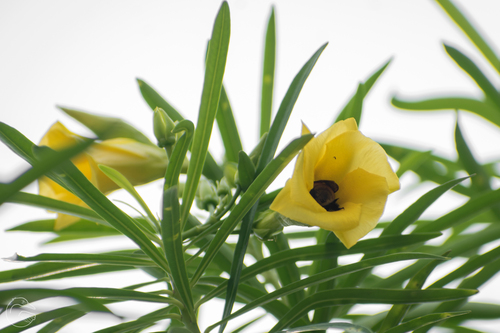
Cascabela is a small genus of about six species of evergreen shrubs and small trees in the dogbane family (Apocynaceae), native to tropical and subtropical America. Plants grow 2-8 m (6-26 ft) tall with slender, spirally arranged, glossy linear to lance-shaped leaves and milky latex in all parts. From the branch tips come funnel-shaped flowers 4-7 cm (1.6-2.8 in) long in yellow, apricot, or peach, often carrying a light scent. The genus includes C. thevetia, the yellow oleander or lucky nut, long grown in warm regions. Flowers are followed by fleshy, angular fruits that ripen from green to black and enclose a hard seed. Every part contains cardiac glycosides, and the seeds are intensely poisonous; ingestion can be fatal to people, livestock, and pets. Plants are frost-tender and grow only in frost-free or near-frost-free climates. The brittle stems and self-sown seedlings can become weedy where conditions suit.
Native Range
Cascabela is native to the tropical and subtropical Americas, from Mexico and the Caribbean through Central America to South America, growing in dry forest, scrub, and coastal thickets; C. thevetia is now naturalized across the tropics.Suggested Uses
Grown in tropical and subtropical gardens as a flowering shrub, clipped hedge, or small patio tree, and as a container plant moved under cover for winter elsewhere. The toxicity limits its placement in gardens used by children, pets, or grazing stock. Plants are spaced 1.5-2.5 m (5-8 ft) apart in hedging.How to Identify
Appearance
Size & Dimensions
Height6' - 26'
Width/Spread5' - 12'
Bloom Information
Detailed Descriptions
Flower Description
yellow, apricot, or peachFoliage Description
glossy dark greenGrowing Conditions
Sun Requirements
Requires 6-12 hours of direct sunlight daily
• Full Sun: 6+ hours of direct sunlight
• Partial Shade: 3-6 hours of direct sunlight
• Full Shade: Less than 3 hours of direct sunlight
Care & Maintenance
Care Guide
Most species grow in full sun on free-draining soils and tolerate heat, drought, salt spray, and poor ground once established. They accept a pH from slightly acidic to alkaline and need little water after the first year. Plants are frost-tender, dropping leaves or dying back below about 0 C (32 F), and are grown under glass or as container plants where winters are cold. All parts are highly toxic through cardiac glycosides, so sap contact can irritate skin and eyes and the seeds are lethal if swallowed. Few pests trouble the genus, though oleander aphids and scale insects gather on soft new growth.Pruning
Stems can be shortened after flowering to keep a dense, rounded shape and to limit height. The milky latex bleeds from fresh cuts and stains skin and clothing. All prunings carry the same cardiac glycosides as the living plant.Pruning Schedule
Prune: November
fall
Container Growing
Suitable for container growing
Minimum container size: 7 gallons