Bromus, Genus, spp., Multiple species,
- Genus
- Multiple species
bromes
Temperate Northern Hemisphere and the South American Andes
Overview
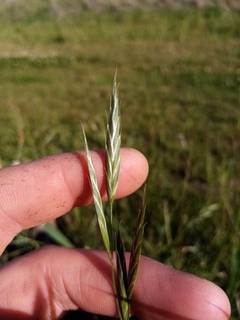
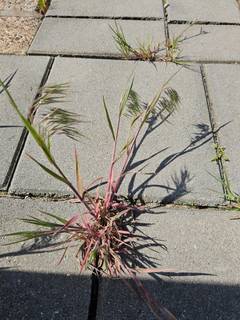
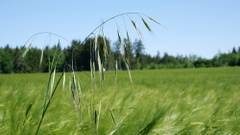
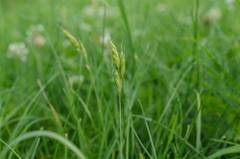
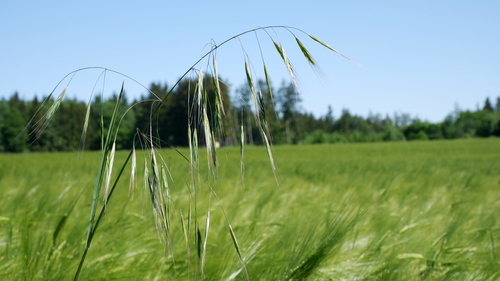
Bromus is a genus of about 150 to 160 species of annual and perennial grasses in the family Poaceae, distributed across the temperate Northern Hemisphere and the mountains of South America. Plants form tufts or spread by rhizomes, with stems 8–48 in (20–120 cm) tall and flat leaf blades whose sheaths are closed for most of their length, a feature that helps mark the genus. The flowers are borne in open, often nodding panicles of large, flattened spikelets, each holding several florets, and most species carry a straight awn projecting from each floret. Smooth brome B. inermis is a rhizomatous pasture and hay grass that also invades prairies and roadsides. Cheatgrass B. tectorum is an annual that has spread across the western United States, where it dries early, carries wildfire, and crowds out native plants. Several species serve as forage grasses, while others are weeds of crops and rangeland. The sharp awns of some annual species injure the mouths and eyes of grazing animals. The genus grows in grasslands, open woodland, disturbed ground, and mountain slopes.
Native Range
Bromus is native across temperate Europe, Asia, and North America, and in the South American Andes. North American native species include California brome B. carinatus and prairie brome B. kalmii. Smooth brome B. inermis and cheatgrass B. tectorum are Eurasian species widely naturalized across North America.Suggested Uses
Bromus species are grown as pasture, hay, and forage grasses and for soil stabilization and erosion control on banks. Native species are used in prairie and grassland restoration. The seeds feed birds and small mammals, and the foliage is grazed by livestock and wildlife.How to Identify
Appearance
Size & Dimensions
Height8" - 4'
Width/Spread6" - 2'
Bloom Information
Most Bromus species flower from late spring into summer, roughly May to July, producing drooping panicles of large spikelets. Annual species such as cheatgrass flower and set seed early, then dry to straw by midsummer. Flowering is wind-pollinated with no showy petals. Seed ripens within a few weeks and shatters readily.
Detailed Descriptions
Flower Description
green to purplishFoliage Description
greenGrowing Conditions
Sun Requirements
Requires 6-12 hours of direct sunlight daily
• Full Sun: 6+ hours of direct sunlight
• Partial Shade: 3-6 hours of direct sunlight
• Full Shade: Less than 3 hours of direct sunlight