Bromelia, Genus, spp., Multiple species,
- Genus
- Multiple species
bromelia
Tropical Central and South America and the Caribbean
Overview
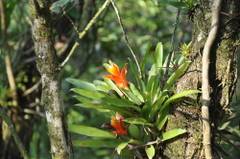
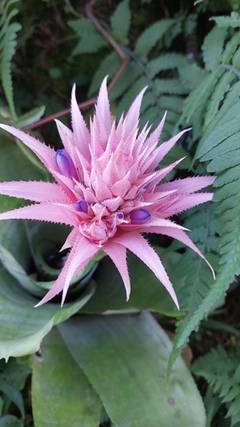
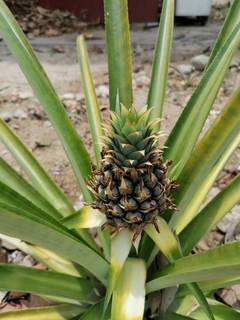
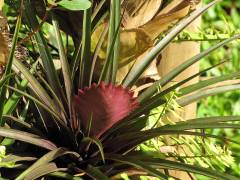
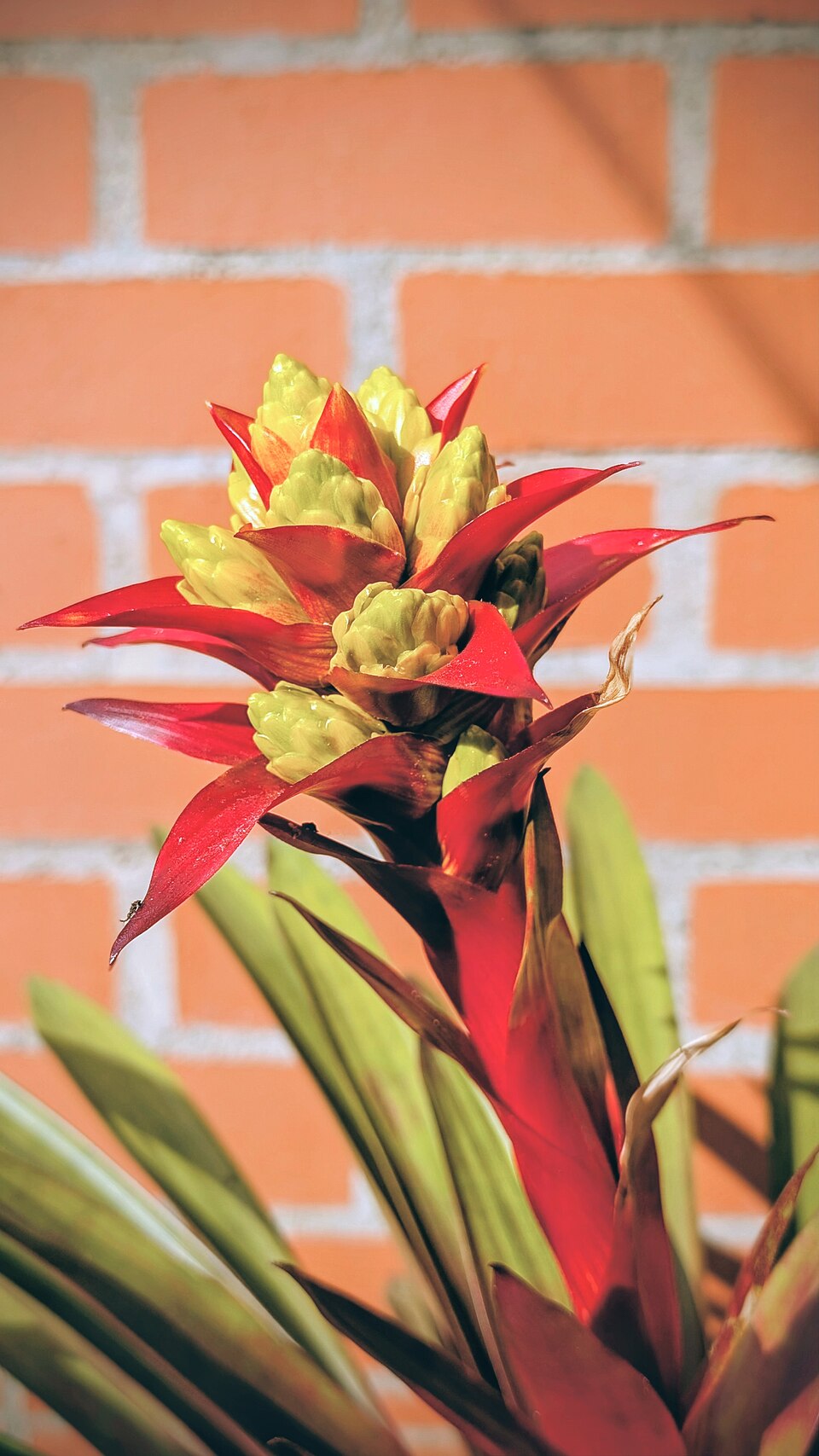
Bromelia is a genus of about 70 species of terrestrial bromeliads (family Bromeliaceae) native to the tropics of Central and South America and the Caribbean. Plants form large ground rosettes of stiff, strap-shaped leaves 24-72 inches (60-180 cm) long, each margin armed with stout, recurved spines. Many species spread by stolons into dense, impenetrable colonies several feet across. Before flowering, the inner leaves of most species flush bright red, and a stout inflorescence rises from the center bearing tubular flowers in pink, purple, red, or white among woolly bracts. The flowers are followed by fleshy berries 0.8-2 inches (2-5 cm) long that ripen yellow to orange and are edible in several species, including B. pinguin. Bromelia are plants of seasonally dry tropical forest, thorn scrub, and coastal sand, rooted in the ground rather than perched on trees. They are frost-tender and damaged below about 30 F (-1 C). The spiny, clonal habit makes them hard to remove once established, which is the main drawback in small gardens. In their native range several species are grown as livestock-proof hedges.
Native Range
Native to tropical and subtropical America, from Mexico and the Caribbean south through Central America to Argentina and Paraguay. Plants grow in seasonally dry forest, thorn scrub, savanna, and coastal dunes, usually in full sun on sandy or rocky ground.Suggested Uses
In frost-free regions Bromelia is used as a barrier or boundary planting and for erosion control on dry, sandy slopes, where the spiny colonies form a livestock-proof mass. Smaller plantings suit large containers and xeriscape beds. The fruit of some species, such as B. pinguin, is used locally in drinks and preserves.How to Identify
Appearance
Size & Dimensions
Height2' - 6'
Width/Spread3' - 8'
Bloom Information
Flowering is typically in spring to summer, though timing varies with species and local climate across the tropics. Each rosette flowers once and then slowly dies, leaving offsets and stolons to continue the colony. The reddened inner leaves often persist for several weeks around the time the flowers open.
Detailed Descriptions
Flower Description
pink, purple, red, or whiteFoliage Description
green, with red inner leaves before floweringGrowing Conditions
Sun Requirements
Requires 6-12 hours of direct sunlight daily
• Full Sun: 6+ hours of direct sunlight
• Partial Shade: 3-6 hours of direct sunlight
• Full Shade: Less than 3 hours of direct sunlight
Care & Maintenance
Care Guide
Bromelia are grown in full sun in free-draining sandy or gritty soil, watered moderately during the warm growing season and kept drier in cool weather. They withstand drought once established and tolerate poor, low-fertility soils. Hardiness is limited to frost-free or nearly frost-free climates, roughly USDA zones 9b-11; foliage is burned by light frost and plants are killed by hard freezes. Propagation is by removing rooted offsets or stolons, or from seed. The dense, spiny clumps spread steadily and take up space well beyond the original planting. In cool climates they are grown in large containers and moved under cover for winter.Pruning
Pruning is limited to cutting away spent flowered rosettes and dead leaves once they brown, which keeps the spiny colony in bounds. Work is done from the outside of the clump because the recurved marginal spines catch on skin and clothing.Container Growing
Suitable for container growing