Ananas, Genus, comosus, Species,
- Genus & species
pineapple plant
Native to South America growing naturally in the dry interior regions of Paraguay and southern Brazil at low elevations
Overview
Ananas comosus is the pineapple plant — a South American native bromeliad in the family Bromeliaceae carrying the species responsible for the global pineapple fruit industry, growing 24–36 inches (60–90 cm) tall and wide as a houseplant. Gray-green stiff leaves 24–36 inches (60–90 cm) long with sharp spiny margins form a typical bromeliad rosette; the species runs related to Guzmania and Aechmea in the same family but produces the edible pineapple fruit that the ornamental bromeliads do not. Indoor specimens can produce edible pineapple fruit with 6+ hours of direct sun daily, though indoor-grown fruit runs smaller (3–6 inches / 7–15 cm long) than commercial field-grown pineapples (typically 8–12 inches / 20–30 cm). A new plant starts easily from a grocery-store pineapple crown: twist off the leafy top, dry the cut base for 2–3 days to callus, and root in soil or water — the simplest propagation method available among edible tropical fruits and a popular kitchen-garden experiment. The species takes 2–3 years from a rooted crown to reach fruiting maturity. Ethylene gas from a ripe apple sealed in a bag around the plant for 1 week triggers flowering on a mature plant that has reached size but not yet bloomed naturally. Monocarpic: the mother rosette produces one fruit then declines over several months while generating 1–3 basal offsets (ratoons) that replace the parent. The species runs non-toxic — the fruit is edible. Acidic potting mix at pH 4.5–5.5 suits the species, lower than the typical houseplant range. Full direct sun runs essential for fruiting; insufficient light produces vegetative growth without flowering. The spiny leaf margins can cut skin on contact and run as the principal cultural caution. Native to South America (Brazil and Paraguay).
Native Range
Ananas comosus is native to South America, growing naturally in the dry interior regions of Paraguay and southern Brazil at low elevations.Suggested Uses
Used in containers of 3–5 gallons (12–20 liters) on sunny windowsills with southern or western exposure where the plant can receive the 6+ hours of direct sun required for fruiting. Suited to bright sunrooms, heated patios, decks, and outdoor placements year-round in USDA zones 10–12 across Florida, southern Texas, and southern California. The kitchen-garden propagation route — rooting a grocery-store pineapple crown — gives the species an educational dimension popular with children's gardening projects and indoor-plant enthusiasts curious about food-crop cultivation. The species runs non-toxic and the fruit is edible. The spiny leaf margins make the species unsuited to households with very young children or curious pets that may brush against the foliage.How to Identify
Appearance
Size & Dimensions
Height2' - 3'
Width/Spread2' - 3'
Bloom Information
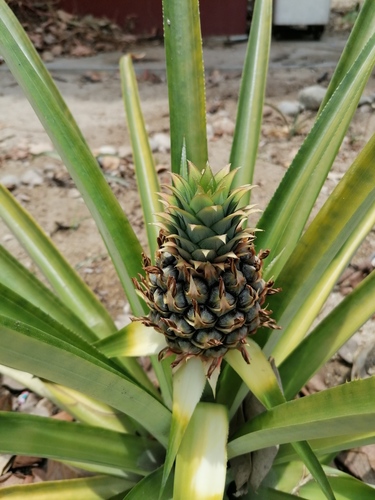
Flowering naturally occurs 2–3 years from planting on mature rosettes; ethylene-induced flowering (ripe apple sealed in a bag around the plant for 1 week) triggers bloom on plants of size but not yet flowering. The red-purple flower cluster emerges from the rosette center and develops into the edible pineapple fruit over 4–6 months from initial bloom through ripening. The mother rosette produces one fruit then declines, with 1–3 basal offsets (ratoons) replacing the parent plant.
Detailed Descriptions
Flower Description
Red-purple flower cluster developing into edible pineapple fruit on mature rosettesFoliage Description
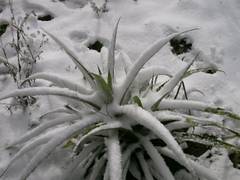
Gray-green; long stiff sword-shaped leaves 24-36 inches long with sharp spiny margins in typical bromeliad rosetteGrowing Conditions
Sun Requirements
Requires 6-12 hours of direct sunlight daily
• Full Sun: 6+ hours of direct sunlight
• Partial Shade: 3-6 hours of direct sunlight
• Full Shade: Less than 3 hours of direct sunlight
Care & Maintenance
Care Guide
Place in full direct sun with at least 6 hours of direct light daily for fruiting; insufficient light produces vegetative growth without bloom. Acidic potting mix at pH 4.5–5.5 suits the species, lower than the typical houseplant range — added peat moss or pine bark acidifies standard mixes. Keep the potting mix moist during active growth in spring and summer; reduce watering in winter when growth slows. The species runs monocarpic — the rosette flowers and fruits once then declines, with offsets replacing the parent. The species runs non-toxic and the fruit is edible. The spiny leaf margins can cut skin on contact during repotting, division, and routine handling — leather gloves and long sleeves run as sensible work attire when handling the species. Native to dry interior South American climates; the species tolerates dry indoor air better than humidity-demanding tropical alternatives.Pruning
Remove the spent mother rosette after fruiting and decline by cutting the stem at the base or twisting the rosette off the basal offsets. Separate basal offsets (ratoons) when they reach approximately one-third of the mother rosette's size. Use leather gloves during pruning and division to avoid skin cuts from the spiny leaf margins.Container Growing
Suitable for container growing
Minimum container size: 3 gallons