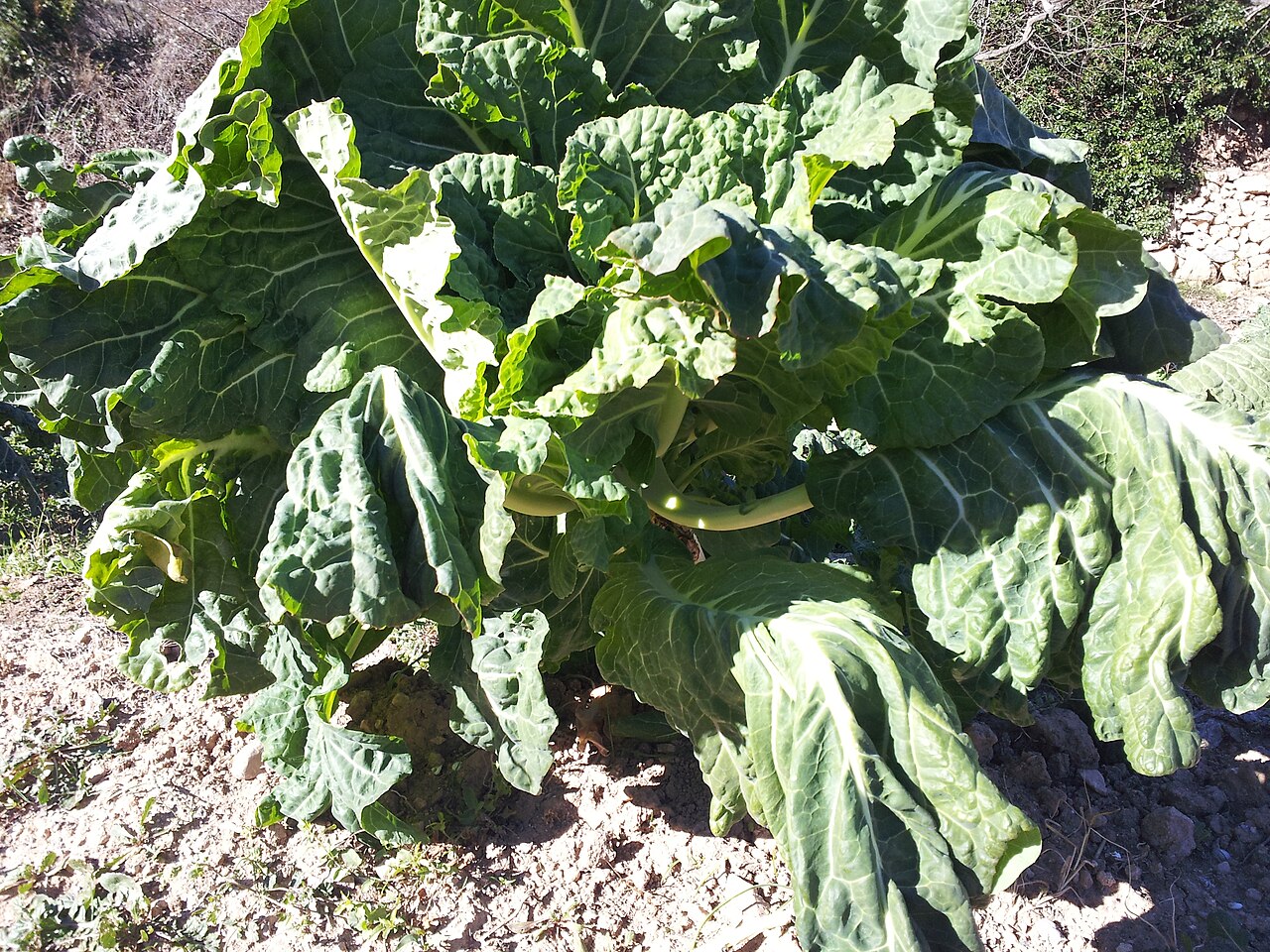
Brassica, Genus, spp., Multiple species,
- Genus
- Multiple species
cabbages and mustards
Europe, Mediterranean, and temperate Asia
SunFull Sun – Part Shade
WaterMedium
Overview
Brassica is a genus of about 37 species of annual, biennial, and short-lived perennial herbs in the mustard family (Brassicaceae), native to western Europe, the Mediterranean, and temperate Asia. The genus contains many widely grown cool-season vegetables and oil crops, including cabbage, kale, broccoli, cauliflower, Brussels sprouts, and kohlrabi (all B. oleracea), turnip and many leaf greens (B. rapa), rapeseed and rutabaga (B. napus), and several mustards (B. juncea, B. nigra). Wild and cultivated plants range from low leafy rosettes to branched flowering stems 1-6 feet (30-180 cm) tall. Leaves vary from smooth and blue-green with a waxy bloom to crinkled, lobed, or deeply cut, and may form dense heads or open rosettes depending on the crop. The flowers have four petals arranged in a cross, usually bright yellow and sometimes white or pale, carried in elongating clusters, and are followed by slender seed pods called siliques 1-4 inches (2.5-10 cm) long. Most species grow fastest in cool weather and bolt to flower as temperatures rise or days lengthen. Several, including B. nigra and B. rapa, have naturalized as weeds of fields and roadsides across much of the world. Plants are killed or damaged by hard freezes, though many tolerate light frost.
Native Range
Brassica species are native to western and southern Europe, the Mediterranean Basin, and temperate Asia, with a center of diversity around the Mediterranean. Through millennia of cultivation and escape, species such as B. rapa and B. nigra have naturalized across temperate regions worldwide.Suggested Uses
Brassica crops are grown in vegetable gardens, raised beds, and containers for leaves, heads, roots, stems, and seed oil, spaced 12-24 inches (30-60 cm) apart depending on the crop. Ornamental kales and cabbages are used in fall and winter bedding for their colored rosettes. Flowering and cover-crop types are grown as green manure and pollinator forage.How to Identify
Appearance
Size & Dimensions
Height1' - 6'
Width/Spread1' - 3'
Bloom Information
Brassica species flower mainly in spring and early summer, generally April to June, as overwintered or cool-grown plants bolt with rising temperatures and longer days. Biennial crops such as cabbage, turnip, and rutabaga flower in their second season. The yellow or white four-petaled flowers open in succession over two to four weeks.
Detailed Descriptions
Foliage Description
blue-green to green, some purpleGrowing Conditions
Sun Requirements
Requires 6-12 hours of direct sunlight daily
• Full Sun: 6+ hours of direct sunlight
• Partial Shade: 3-6 hours of direct sunlight
• Full Shade: Less than 3 hours of direct sunlight
Water & Climate
Water Needs
Care & Maintenance
Care Guide
Most species grow in full sun and fertile, moisture-retentive soil with a pH of 6.0 to 7.5; near-neutral soil also limits clubroot disease. Steady moisture and cool temperatures produce the fastest leafy growth, while heat, drought, and crowding trigger early bolting and bitter flavor in vegetable crops. Plants are heavy feeders that respond to nitrogen-rich soil and regular watering. Common problems include cabbage white caterpillars, aphids, flea beetles, and the soil-borne disease clubroot, which persists for years in infested ground. Most Brassica crops tolerate light frost, and the flavor of kale and Brussels sprouts sweetens after cold. Rotating away from beds used by other brassicas reduces disease buildup.Pruning
Pruning is limited to removing yellowed lower leaves and harvesting outer foliage, which keeps plants productive and improves air circulation. Pinching the growing tip of some leaf crops encourages side shoots. Flower stalks are cut out of leafy crops to delay bolting where seed is not wanted.Container Growing
Suitable for container growing
Minimum container size: 3 gallons
Toxicity Warning
Toxic to petsPlanting Guide
Planting Methods & Timing
Planting Method
both
Direct Sow Timing
early spring and late summer for fall crops
Days to Maturity
40–120 days
Plant Spacing
18 inches