Asparagus, Genus, densiflorus, Species, 'Myersii', Cultivar,
- Genus & species
- Cultivar
foxtail fern
Garden selection; species native to South Africa
Overview
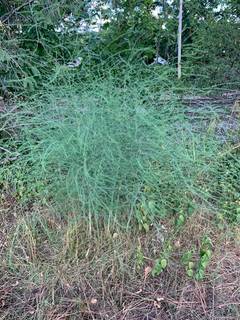
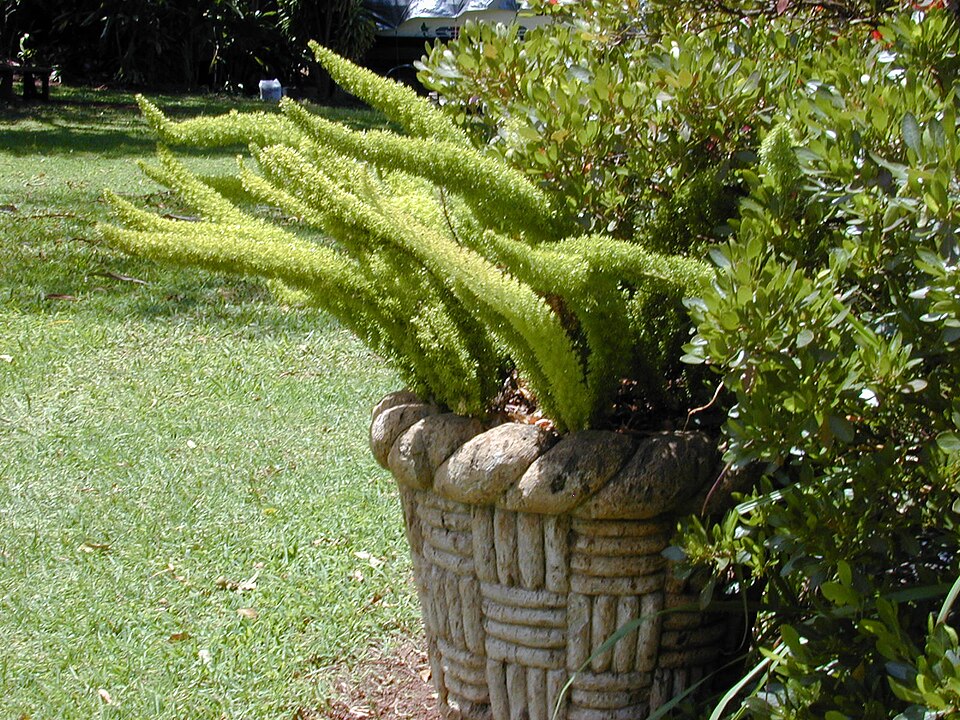
Asparagus densiflorus 'Myersii' is the foxtail fern, growing 18–24 inches (45–60 cm) tall and 24–36 inches (60–90 cm) wide. Dense cylindrical plumes of bright green needle-like cladodes (modified stems that function as leaves) — each stem 12–18 inches (30–45 cm) long resembles a foxtail shape. Not a true fern — in the asparagus family (Asparagaceae), related to edible asparagus (A. officinalis). The 'Myersii' form has upright cylindrical plumes vs. the loose cascading form of A. densiflorus 'Sprengeri'. Thick tuberous roots store water — drought-tolerant once established. Small fragrant white to pale pink flowers in summer followed by bright red berries 0.25 inch (6 mm) in fall — the berries are mildly toxic. Birds consume the berries and spread seeds; the species is invasive via bird-dispersed seed in frost-free zones. Contact with the foliage may cause dermatitis in sensitive individuals. Native to South Africa. Deer-resistant. Zones 9–11 outdoors; grown as a houseplant or seasonal container plant in cold zones. Full sun to partial shade. Well-draining soil. The tuberous root mass can crack pots when rootbound.
Native Range
Asparagus densiflorus is native to South Africa.Suggested Uses
Grown in containers of 2–3 gallons (8–12 liters) in full sun to partial shade. Outdoors year-round in zones 9–11; seasonal outdoor/indoor in cold zones. The upright foxtail plume form suits urns, planters, and mixed containers. Mildly toxic berries. Contact dermatitis possible.How to Identify
Appearance
Size & Dimensions
Height1'6" - 2'
Width/Spread2' - 3'
Colors
Bloom Information
Small fragrant white to pale pink flowers in summer. Bright red berries 0.25 inch (6 mm) follow in fall. Berries are mildly toxic but consumed by birds.
Detailed Descriptions
Flower Description
White to pale pink, small, fragrant — followed by bright RED berriesFoliage Description
Bright green, dense cylindrical FOXTAIL-SHAPED plumes — each stem resembles a bushy green foxtailGrowing Conditions
Sun Requirements
Needs bright indirect light. Keep it out of direct sun, which can scorch the leaves.
• Bright indirect light: a bright spot near a window, with no direct sun on the leaves
Care & Maintenance
Care Guide
Full sun to partial shade. Drought-tolerant (tuberous roots store water). Well-draining soil. Not a true fern — asparagus family. Mildly toxic berries. Contact dermatitis possible. Invasive via bird-spread seed in frost-free zones. Zones 9–11 outdoors.Pruning
Remove browned or yellowed stems at the base. Divide rootbound plants — the tuberous root mass can crack containers. Cut all growth to 2 inches (5 cm) in spring for rejuvenation.Pruning Schedule
Prune: March
early spring
Container Growing
Suitable for container growing
Minimum container size: 5 gallons