Asparagus, Genus, spp., Multiple species,
- Genus
- Multiple species
asparagus
SunFull Sun – Part Shade
Overview
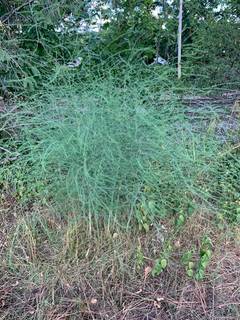
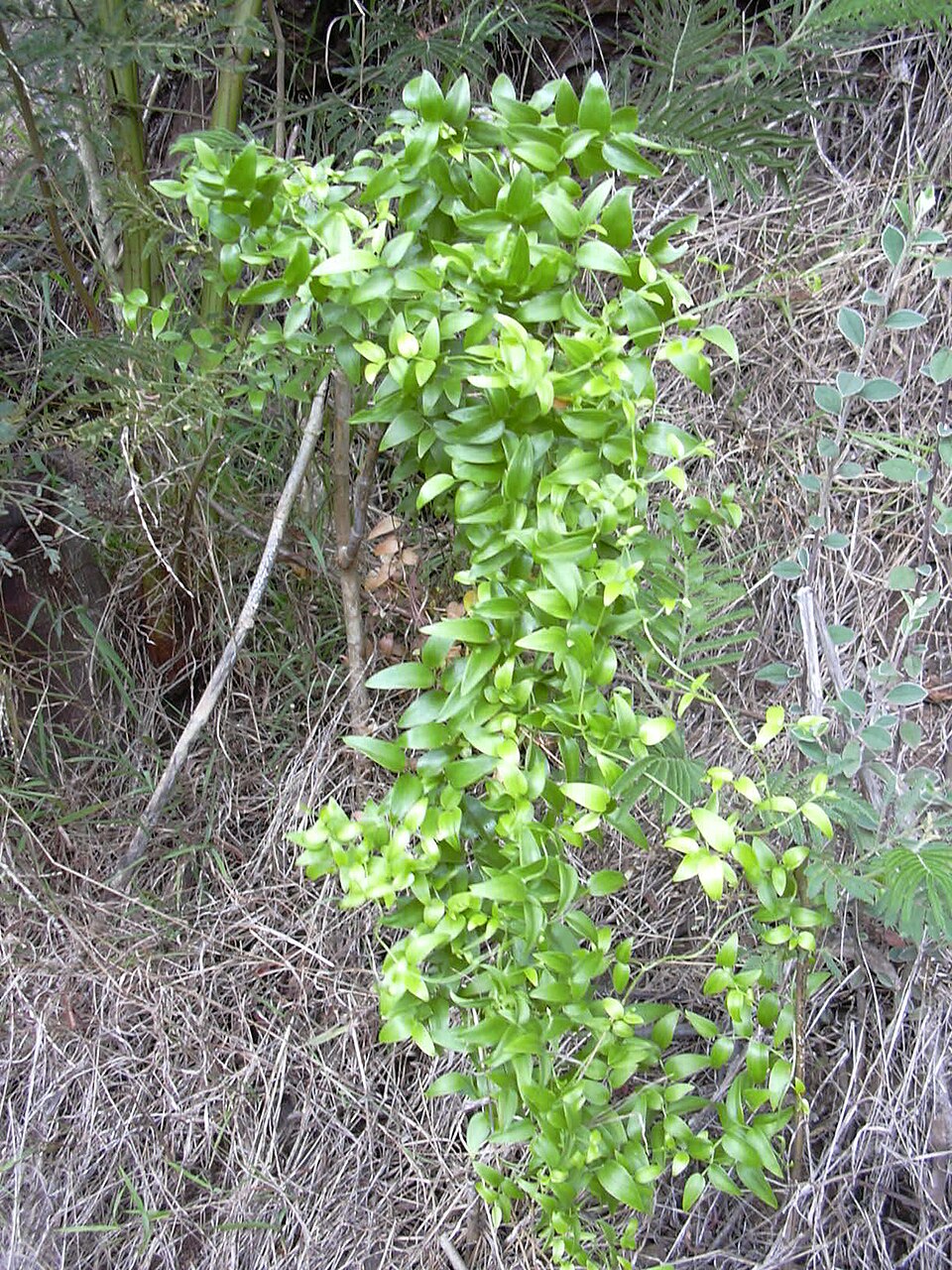
Asparagus is a genus of around 200 species of perennial herbs, climbers, and subshrubs in the family Asparagaceae, native to the Old World across Europe, Africa, and Asia. Growth arises from fleshy rhizomes and tuberous roots, sending up stems that range from 12 inches to 10 feet (30 cm to 3 m) depending on the species and whether they are erect or climbing. The true leaves are reduced to small papery scales; photosynthesis is carried out by needle-like or flattened modified stems called cladodes, borne in clusters along the branches. Most species are dioecious, with separate male and female plants bearing small, bell-shaped greenish-white to yellow flowers 0.1 to 0.3 inch (3 to 8 mm) long. Pollinated female flowers ripen into red, or occasionally black, berries holding one to several seeds. A. officinalis is grown as a vegetable for its emerging spring shoots, while A. setaceus and A. densiflorus are cultivated as foliage plants for their feathery cladodes. The berries of ornamental species contain saponins and cause stomach upset if eaten. Many species spread by branching rhizomes to form dense colonies over time.
Native Range
Native across Europe, Africa, and Asia, from the Mediterranean and temperate Eurasia to southern Africa. A. officinalis originates in Eurasia, while many ornamental species, including A. densiflorus, are native to South Africa.Suggested Uses
A. officinalis is grown in vegetable gardens for its edible spears. A. setaceus and A. densiflorus are used as houseplants, in hanging baskets, and as filler foliage in cut-flower work. In frost-free regions some ornamental species are planted as ground cover, where a few have become invasive.How to Identify
Appearance
Size & Dimensions
Height1' - 10'
Width/Spread1' - 4'
Bloom Information
Detailed Descriptions
Flower Description
greenish-white to pale yellowFoliage Description
green cladodes; true leaves reduced to scalesGrowing Conditions
Sun Requirements
Requires 4-8 hours of direct sunlight daily
• Full Sun: 6+ hours of direct sunlight
• Partial Shade: 3-6 hours of direct sunlight
• Full Shade: Less than 3 hours of direct sunlight
Water & Climate
Water Needs
Drought Tolerance
Drought tolerant when established
Care & Maintenance
Care Guide
Asparagus species grow in full sun to partial shade in well-drained soil with steady moisture during active growth. A. officinalis needs deep, fertile, near-neutral soil and an annual dormant period to crop well, and established beds remain productive for 15 to 20 years. Ornamental species tolerate a wide range of indoor and outdoor settings but shed cladodes in deep shade or under drought stress. Soil pH from 6.0 to 7.5 suits most species. Tuberous roots store water and let plants recover from short dry spells, though prolonged drought halts growth.Pruning
Cutting ornamental species back removes old or yellowed stems and stimulates fresh growth from the base. The foliage of A. officinalis is left to die down in autumn before being cut to ground level, which returns reserves to the crown. Climbing species can be thinned to limit their spread.Container Growing
Suitable for container growing
Minimum container size: 2 gallons
Toxicity Warning
Toxic to pets and humansPlanting Guide
Planting Methods & Timing
Planting Method
transplant
Plant Spacing
18 inches