Argyranthemum, Genus, spp., Multiple species,
- Genus
- Multiple species
marguerite daisy
Macaronesia (Canary Islands, Madeira, Selvagens)
Overview
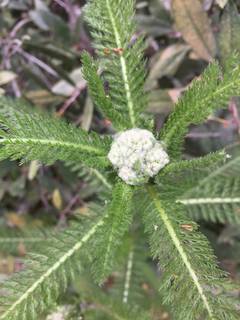
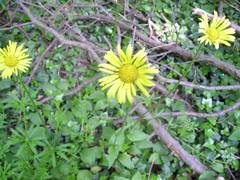
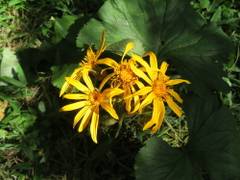
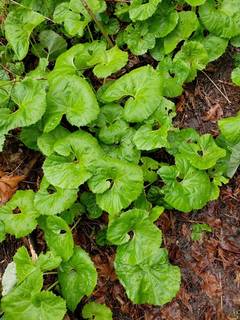
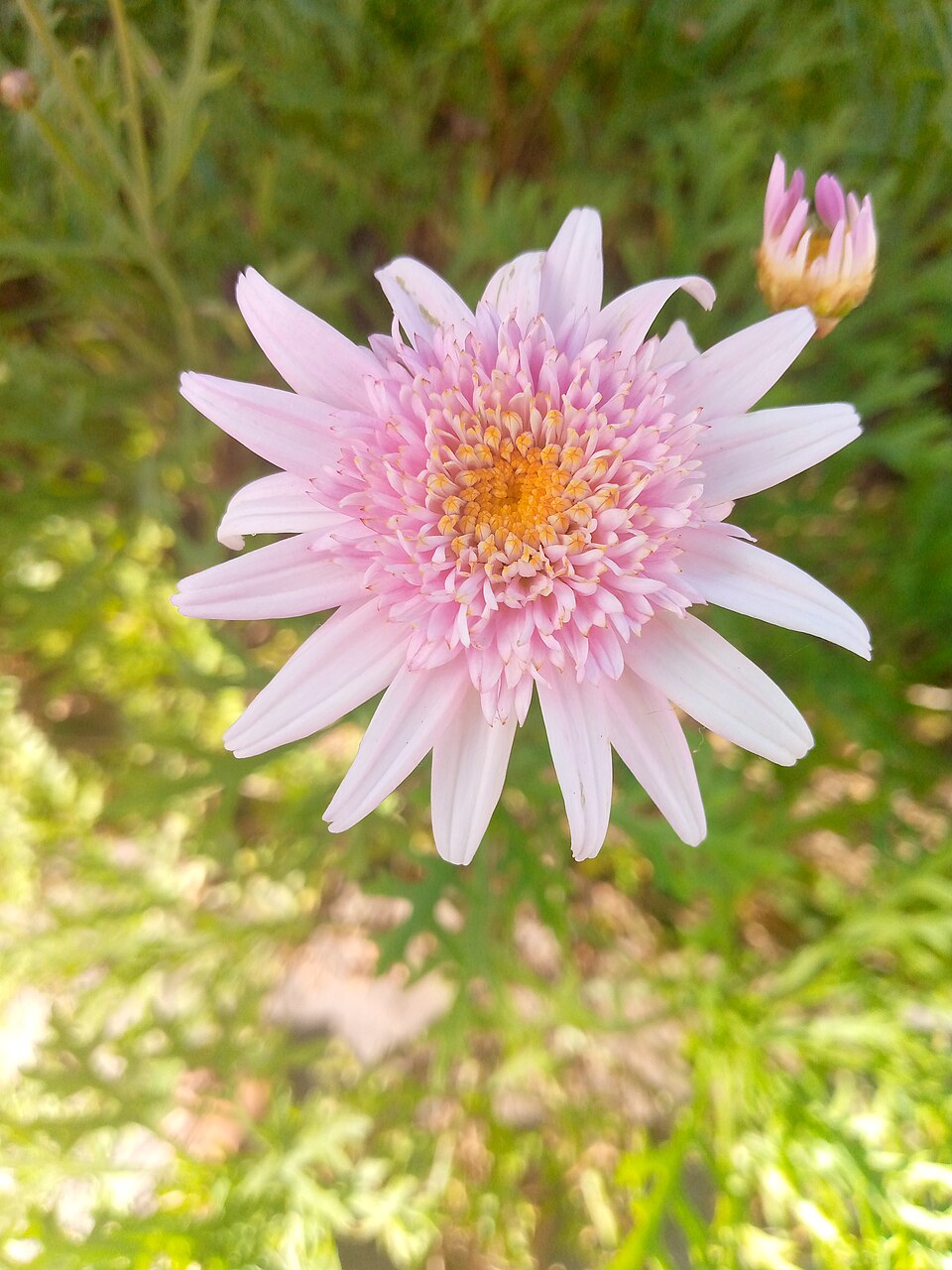
Argyranthemum is a genus of about 20-25 species of evergreen subshrubs in the daisy family (Asteraceae), all native to the volcanic islands of Macaronesia. Plants form rounded, branching mounds 1-3 ft (30-90 cm) tall and wide, woody at the base with herbaceous flowering shoots above. The leaves are alternate, grey-green to deep green, and deeply lobed or dissected into narrow segments 1-4 in (2.5-10 cm) long, giving a feathery outline. Flower heads are daisy-like, 1-2.5 in (2.5-6 cm) across, each with a central disc of yellow florets ringed by ray florets in white, yellow, pink, or rose depending on species and cultivar. Bloom is heaviest in spring and early summer and recurs through the season in mild climates. The genus is restricted in the wild to the Canary Islands, Madeira, and the Selvagens, where species grow on cliffs, coastal scrub, and laurel-forest margins. Many garden plants are hybrids selected for compact form and extended flowering. Plants are frost-tender, generally hardy only to about 30F (-1C), and are grown as container or bedding subjects where winters are cold. Foliage carries a pungent scent when brushed.
Native Range
All species are endemic to Macaronesia, the Canary Islands, Madeira, and the Selvagens Islands off northwest Africa. They grow on coastal cliffs, dry scrub, and the edges of laurel forest.Suggested Uses
Grown in containers, window boxes, and summer bedding for sustained daisy bloom, and as a short-lived flowering subshrub in frost-free coastal gardens. Compact hybrids are combined with other tender perennials in mixed patio plantings.How to Identify
Appearance
Size & Dimensions
Height1' - 3'
Width/Spread1' - 3'
Bloom Information
Flowering peaks from spring into early summer and, in frost-free conditions, continues in flushes through autumn. Individual heads last one to two weeks, and continued flower production follows removal of spent heads. In cool-summer regions bloom slows during the hottest weeks and resumes as temperatures ease.
Detailed Descriptions
Flower Description
white, yellow, pink, or rose with yellow centresFoliage Description
grey-green to deep greenGrowing Conditions
Sun Requirements
Requires 6-10 hours of direct sunlight daily
• Full Sun: 6+ hours of direct sunlight
• Partial Shade: 3-6 hours of direct sunlight
• Full Shade: Less than 3 hours of direct sunlight
Care & Maintenance
Care Guide
Plants grow in full sun and free-draining soils of low to moderate fertility, and tolerate salt-laden coastal air. Sustained wet or heavy soils cause root rot, so sharp drainage matters more than soil richness. Watering is moderate once established, with container plants needing more frequent moisture in summer heat. Flowering is strongest where nights stay cool; prolonged heat above 85F (29C) reduces bloom. Plants are frost-tender and are overwintered under glass or treated as annuals where temperatures fall below 30F (-1C). Light feeding every few weeks during active growth sustains the flush of bloom.Pruning
Stems respond to regular tip pinching, which keeps the mound dense and increases branching. After the main spring flush, shoots can be cut back by about one third to renew growth and prompt later bloom. Old woody stems regenerate slowly, so hard cuts into bare wood are slow to refoliate.Pruning Schedule
Prune: June–July
summer
Container Growing
Suitable for container growing
Minimum container size: 2 gallons