Image 1 of 5
1 / 5
Plant Reference
Brachyglottis, Genus, Dunedin, Species, Hybrid, Subspecies, 'Sunshine', Cultivar,
- Genus & species
- Subspecies
- Cultivar
sunshine daisy bush
New Zealand (Dunedin Hybrid — garden origin from New Zealand species)
Overview
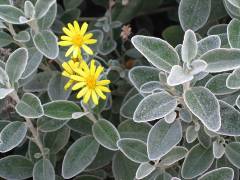
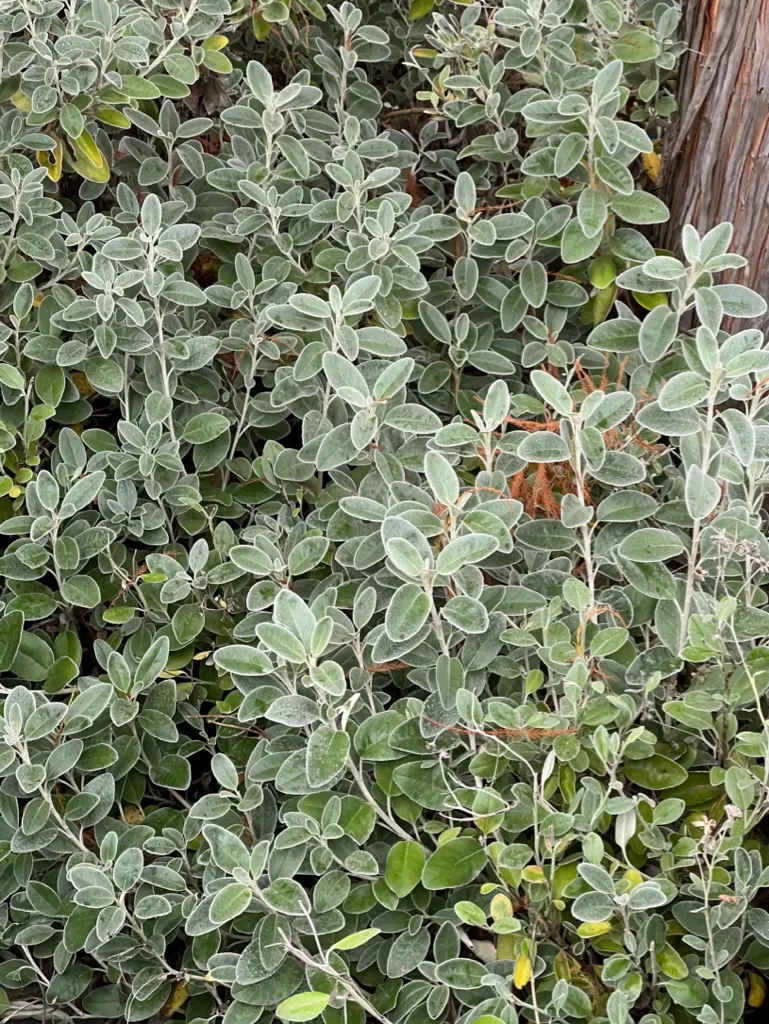
Brachyglottis (Dunedin Hybrid) 'Sunshine' (formerly Senecio 'Sunshine') is the sunshine daisy bush, an evergreen shrub growing 36–60 inches (90–150 cm) tall and 48–72 inches (120–180 cm) wide. Gray-green oval leaves 2–3 inches (5–7 cm) with dense white-felted undersides — new emerging growth is entirely silver-white felted before the upper leaf surface matures to gray-green. Yellow daisy-like flowers 1 inch (2.5 cm) in terminal clusters in early to midsummer. In the daisy family (Asteraceae). A Dunedin Hybrid — a group of garden hybrids derived from New Zealand Brachyglottis species (B. compacta × B. laxifolia and related crosses). Tolerates coastal salt spray, wind, poor sandy soil, and drought — adapted to exposed maritime conditions. Damaged below 20°F (−7°C) — suited to zones 8–10 or sheltered coastal microclimates in zone 7. The silver-felted foliage is the primary cultivation feature — some growers remove the developing flower buds before they open to maintain the clean silver foliage display (the yellow flowers on silver foliage is a color combination that divides opinion). Prune hard in spring to maintain a compact dense form — unpruned plants become leggy and open. Non-toxic. Deer-resistant. Full sun (6+ hours). Zones 8–10. Growth rate is moderate to fast.
Native Range
The parent species are native to New Zealand. 'Sunshine' is a Dunedin Hybrid of garden origin.Suggested Uses
Grown in coastal and Mediterranean-climate gardens in zones 8–10. The silver-felted evergreen foliage is the year-round feature. Tolerates salt spray, wind, and drought. Sheltered positions in zone 7. Non-toxic. Deer-resistant.How to Identify
Appearance
Size & Dimensions
Height3' - 5'
Width/Spread4' - 6'
Bloom Information
Early to midsummer (June–July), lasting 3–4 weeks. Yellow daisy-like flowers in terminal clusters. Some growers remove flower buds to maintain the silver foliage display.
Detailed Descriptions
Flower Description
Yellow, daisy-like, 1 inch (2.5 cm), in terminal clustersFoliage Description
Gray-green upper surface with dense white-felted undersides; oval, 2-3 inches (5-7 cm); new growth is entirely silver-white feltedGrowing Conditions
Sun Requirements
Requires 6-10 hours of direct sunlight daily
• Full Sun: 6+ hours of direct sunlight
• Partial Shade: 3-6 hours of direct sunlight
• Full Shade: Less than 3 hours of direct sunlight
Care & Maintenance
Care Guide
Full sun (6+ hours). Tolerates salt spray, wind, poor sandy soil, and drought. Damaged below 20°F (−7°C). Prune hard in spring to prevent leggy open growth. Non-toxic. Deer-resistant. Zones 8–10.Pruning
Prune hard in spring (April) — cut back by one-third to one-half to maintain a compact dense form. Unpruned plants become leggy and open. The silver-felted new growth is produced on the pruned stems. Tolerates hard renovation pruning.Pruning Schedule
Prune: April
spring
Container Growing
Suitable for container growing
Minimum container size: 5 gallons