Arctostaphylos, Genus, densiflora, Species,
- Genus & species
sentinel manzanita
Sonoma County, California (cultivar of garden origin)
Overview
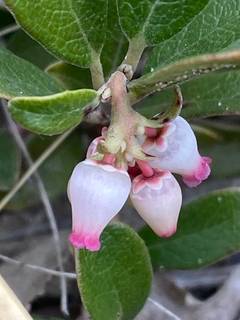
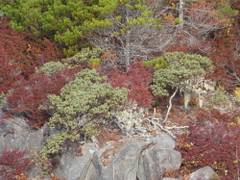
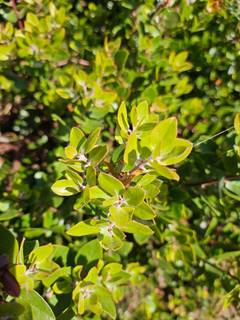
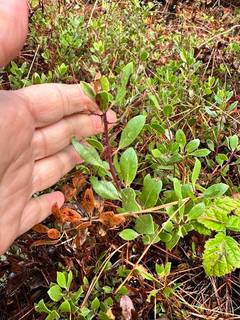
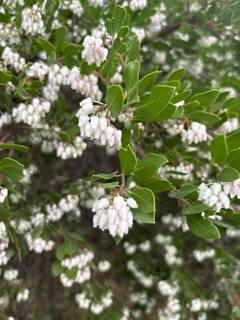
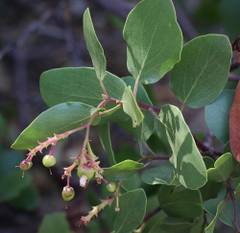
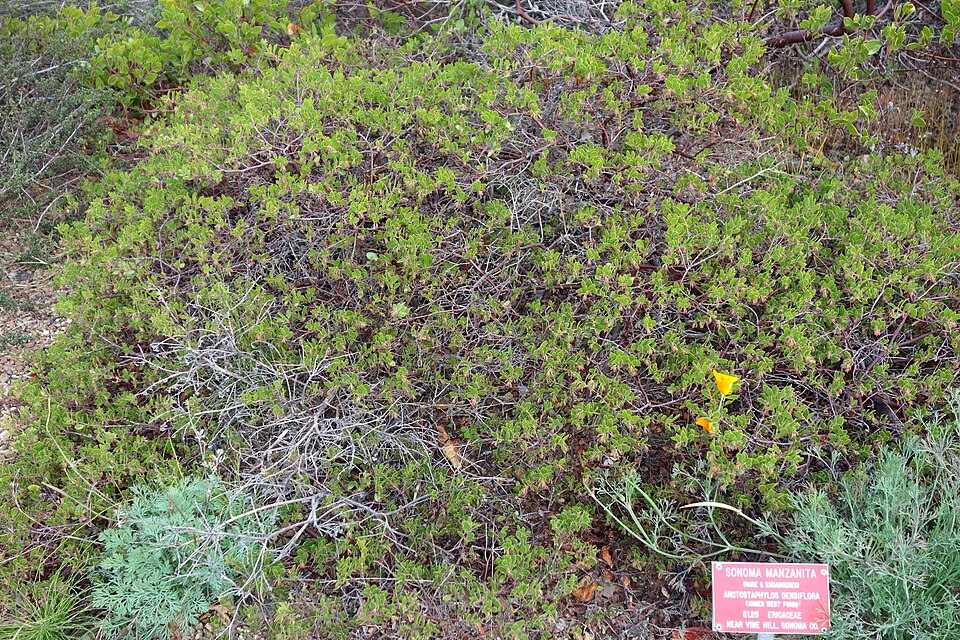
'Sentinel' is an evergreen shrub cultivar of Arctostaphylos densiflora reaching 6-8 feet (1.8-2.4 m) tall and 6-10 feet (1.8-3 m) wide at maturity within 8-10 years. The selection has an upright branching habit with smooth red-brown to mahogany peeling bark on mature stems. Leaves are alternate, oval to obovate, 0.5-1 inch (1.3-2.5 cm) long, glossy mid-green above and pale green below with smooth margins; foliage is held year-round and oriented vertically on the stems. Pendulous urn-shaped flowers appear in terminal panicles from late January through March in zones 8-10; each flower is 0.25 inch (6 mm) long, pale pink to white. Bloom runs 4-6 weeks per established plant. Fruit is a globose drupe 0.25 inch (6 mm) across, ripening from green to red-brown in summer. Compared with the species Arctostaphylos densiflora, which is naturally low and mounding (2-5 feet / 60-150 cm tall), 'Sentinel' carries a more upright form. Plants require sharp drainage and dry summer conditions; root rot (Phytophthora) develops in summer-irrigated or compacted soils within 1-3 seasons.
Native Range
Arctostaphylos densiflora is native to a single small area in western Sonoma County, California (Vine Hill area), where it grows on acidic sandy soils derived from coastal sandstone. The wild population is critically rare. 'Sentinel' is a garden selection of this species made at the Saratoga Horticultural Foundation in California in the 1960s and is widely cultivated in California and the Pacific Northwest.Suggested Uses
Used as a small evergreen specimen, foundation shrub, and informal hedge in western North American mediterranean-climate gardens at 6-8 foot (1.8-2.4 m) spacing. Planted alongside other California natives such as Ceanothus, Heteromeles arbutifolia, and native bunch grasses in unirrigated landscapes. Container culture in well-drained 10-15 gallon (38-57 L) pots is short-term (3-5 years); long-term container performance is limited by the species' deep root system and aversion to confined wet soil.How to Identify
Appearance
Size & Dimensions
Height6' - 8'
Width/Spread6' - 10'
Bloom Information
Late January through mid-March in zones 8-10, typically 4-6 weeks of overlapping flowers per established plant. In zone 7 sites, bloom may shift to mid-February through early April. Bloom timing varies more with maritime weather than with calendar date in mediterranean climates. Pollen is released gradually and supports early-emerging native bees and Anna's hummingbirds in the species' native range.
Detailed Descriptions
Flower Description
Pale pink to white, urn-shapedFoliage Description
Glossy mid-green above, pale green below; oval to obovateGrowing Conditions
Sun Requirements
Requires 5-12 hours of direct sunlight daily
• Full Sun: 6+ hours of direct sunlight
• Partial Shade: 3-6 hours of direct sunlight
• Full Shade: Less than 3 hours of direct sunlight
Care & Maintenance
Care Guide
Establish in sharply drained sandy or rocky soil at pH 5.0-6.5 in full sun to part shade. Water deeply but infrequently during the first 2 growing seasons (every 7-10 days during summer); established plants require summer dry conditions and are damaged by regular irrigation. Apply 2-3 inches (5-7.5 cm) of pine needle or oak leaf mulch in early autumn; alkaline mulches are unsuitable for this species. Fertilization is rarely needed; fertile soils encourage rapid growth and shortened lifespan. Phytophthora root rot is the main disease issue in cultivation, particularly on plants in heavy clay or with overhead summer irrigation. Plants are not divided; layering of low branches occurs naturally where stems contact moist soil during cool seasons.Pruning
Light tip pruning after bloom maintains form and removes fading flowers. Remove dead, crossing, or damaged branches at any season. The species and its cultivars do not regenerate from old wood; pruning into bare branches without foliage results in dead stubs. Pinching of new growth in spring controls overall size on younger plants 1-3 years from planting.Pruning Schedule
Prune: April
late spring
Container Growing
Suitable for container growing
Minimum container size: 10 gallons