Arctostaphylos, Genus, glandulosa, Species,
- Genus & species
Eastwood's manzanita
Overview
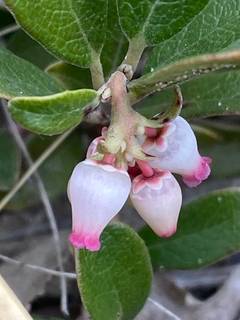
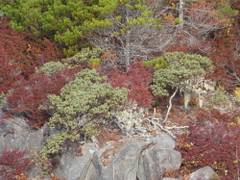
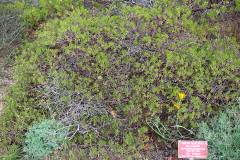
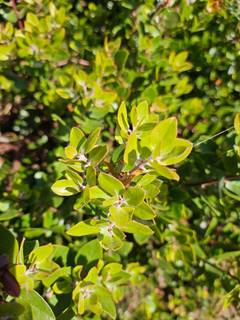
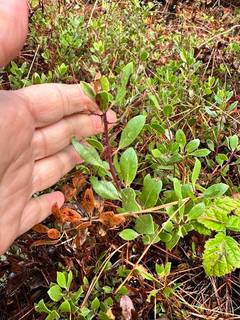
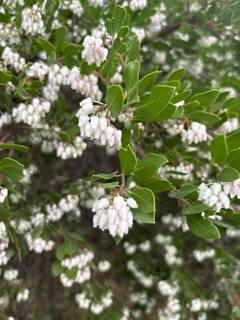
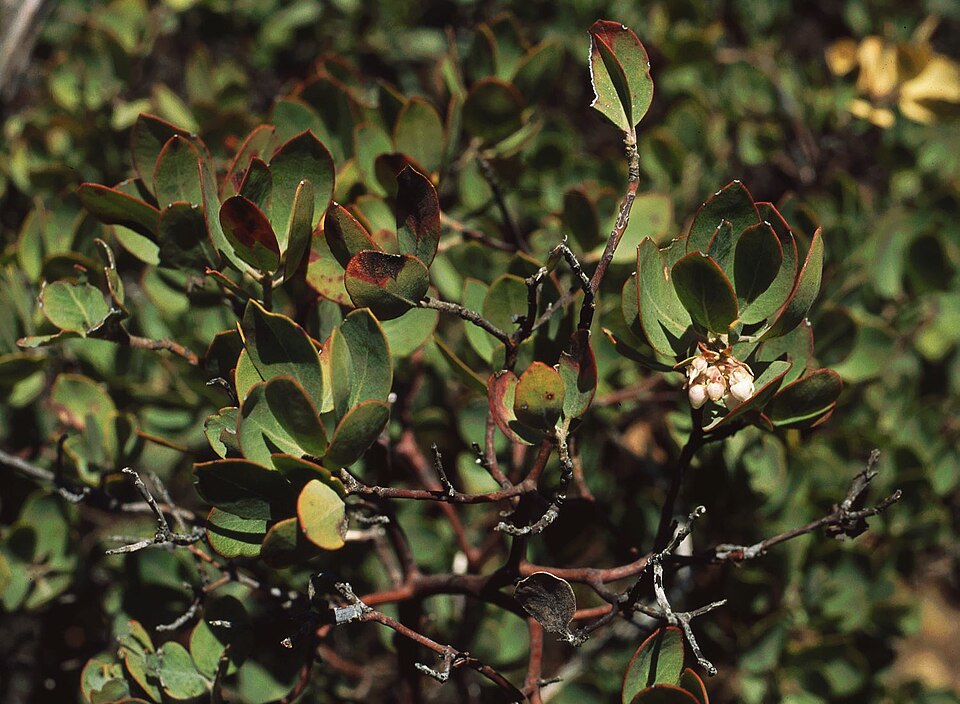
An evergreen shrub growing 3–8 feet (0.9–2.4 m) tall and as wide, with a rounded, densely branched form and smooth, dark reddish-brown bark that peels in thin flakes. Most forms sprout from a swollen woody base, a burl, at ground level, allowing regrowth after fire. Leaves are alternate, oval, 1–1.5 inches (2.5–4 cm) long, leathery, gray-green, and held upright, with glandular hairs on the stems and leaf stalks. Small urn-shaped flowers, white to pink, about 0.25 inch (6 mm) long, hang in branched clusters from winter into spring. Bloom occurs from December to April. Round reddish-brown berry-like fruits 0.25–0.4 inch (6–10 mm) wide follow in summer. The shrub grows slowly in dry, rocky chaparral soils and tolerates extended summer drought. New stems resprout from the burl after the top is burned or cut. Foliage and bark can be damaged by fungal branch dieback in wet conditions.
Native Range
Native to California and southwestern Oregon, extending into Baja California. Grows in chaparral, oak woodland, and coniferous forest openings on dry, rocky slopes from near sea level to 7,000 feet (2,100 m).Suggested Uses
Grown in native chaparral and dry-garden plantings, slopes, and unirrigated landscapes at 5–7 foot (1.5–2.1 m) spacing. Used for erosion control on dry hillsides and as evergreen cover for wildlife. Suited to dry, rocky sites and not to irrigated or poorly drained soils.How to Identify
Appearance
Size & Dimensions
Height3' - 8'
Width/Spread3' - 8'
Colors
Bloom Information
Detailed Descriptions
Flower Description
White to pinkFoliage Description
Gray-greenGrowing Conditions
Sun Requirements
Requires 6-10 hours of direct sunlight daily
• Full Sun: 6+ hours of direct sunlight
• Partial Shade: 3-6 hours of direct sunlight
• Full Shade: Less than 3 hours of direct sunlight
Care & Maintenance
Care Guide
Grows in full sun in dry, rocky, well-drained, acidic to neutral soils. Water only to establish young plants; established shrubs survive on rainfall and decline with summer irrigation. Summer water and poor drainage promote root rot and branch dieback fungi. It resprouts from the basal burl after fire or hard cutting. Few insect pests trouble it. Plants are slow-growing and long-lived in dry sites.Pruning
Little pruning is needed beyond removing dead or diseased wood, done in dry weather to limit fungal spread. The plant resprouts from the burl if cut to the ground. Light shaping after flowering keeps the form dense. Wet-season cuts invite branch dieback fungi.Pruning Schedule
Prune: May
spring