Image 1 of 18
1 / 18
Plant Reference
Arctostaphylos, Genus, spp., Multiple species,
- Genus
- Multiple species
manzanita
Western North America (British Columbia south to Baja California, Mexico; center of diversity in California)
Overview
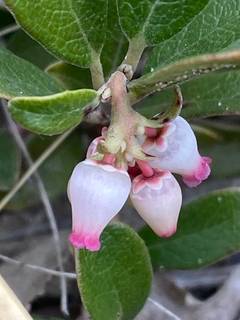
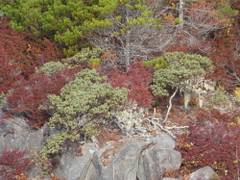
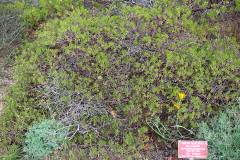
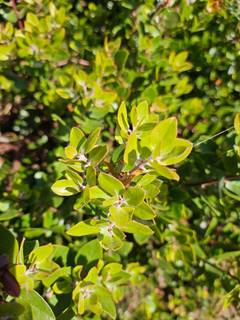
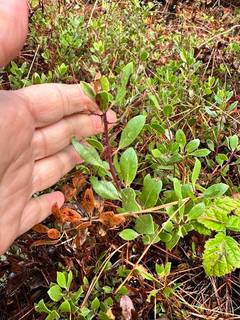
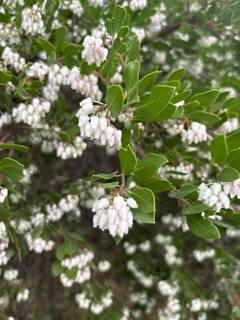
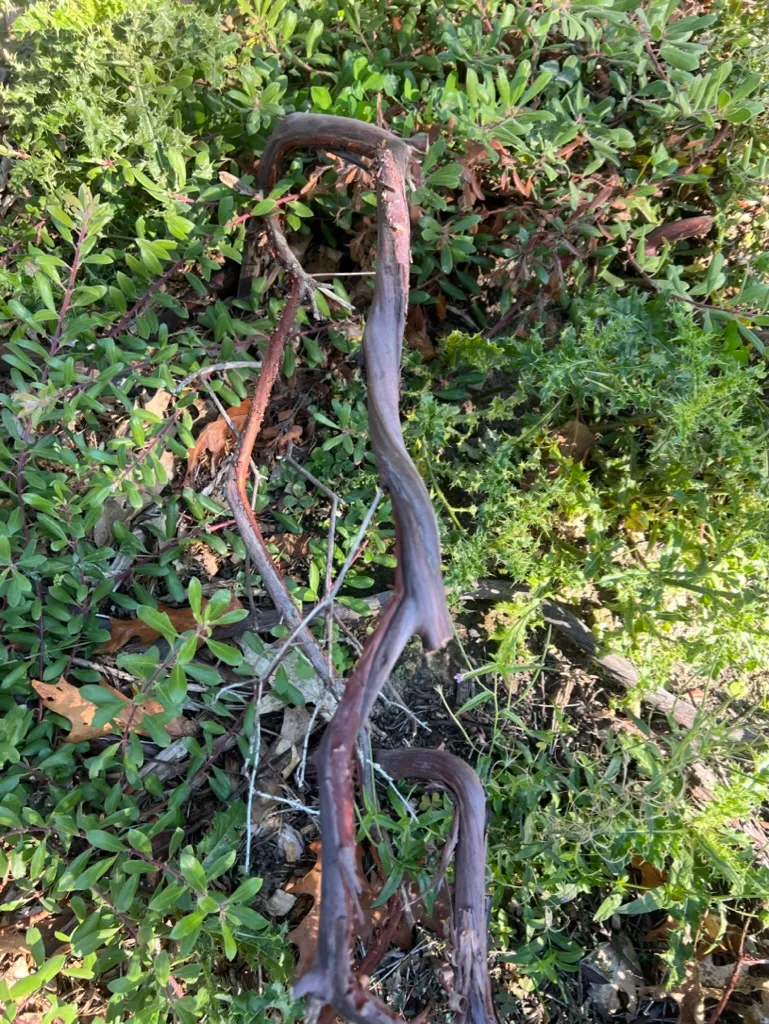
Arctostaphylos is a genus of 60+ species of evergreen shrubs and small trees in the heath family (Ericaceae), native to western North America with the center of diversity in California. Size ranges from prostrate groundcovers (A. uva-ursi — kinnikinnick, 4–6 inches / 10–15 cm) to tree-form species (A. manzanita — common manzanita, up to 240 inches / 600 cm). Smooth polished red-brown to mahogany bark (peeling to reveal new bark in some species) — the bark is the year-round identification trait. Small leathery gray-green to dark green evergreen leaves held vertically on many species — the vertical orientation reduces water loss and sun exposure (a drought adaptation). Urn-shaped white to pink flowers 0.25 inch (6 mm) in pendant clusters in late winter to early spring — an early nectar source for hummingbirds, native bees, and bumblebees when few other flowers are available. Small red berry-like fruit in summer — 'manzanita' means 'little apple' in Spanish. The genus name means 'bear berry' (arktos = bear, staphyle = grape cluster). Adapted to dry-summer Mediterranean climate — summer irrigation kills established plants by promoting Phytophthora root rot. Do not amend native soil or irrigate in summer. Many species resprout from a basal burl after fire; others are killed by fire and regenerate from seed (fire-stimulated germination). Native. Non-toxic — berries edible (mealy, used in cider). Deer-resistant. Zones 7–10 (varies by species). This entry represents the genus.
Native Range
Native to western North America from British Columbia south to Baja California, Mexico. Center of species diversity in California, with additional species in Oregon, Washington, and Arizona. A. uva-ursi extends across the Northern Hemisphere.Suggested Uses
Grown in native plant gardens, dry slopes, and waterwise landscapes in zones 7–10. No summer irrigation. The smooth bark and the late-winter flowers are the year-round and seasonal features. Early nectar source. Non-toxic. Deer-resistant. Native.How to Identify
Appearance
Size & Dimensions
Height1' - 20'
Width/Spread2' - 20'
Bloom Information
Detailed Descriptions
Flower Description
White to pink, urn-shaped, 0.25 inch (6 mm), in pendant clustersFoliage Description
Gray-green to dark green, small, leathery, oval, held vertically to reduce water lossGrowing Conditions
Sun Requirements
Requires 6-10 hours of direct sunlight daily
• Full Sun: 6+ hours of direct sunlight
• Partial Shade: 3-6 hours of direct sunlight
• Full Shade: Less than 3 hours of direct sunlight