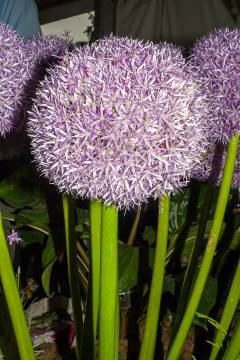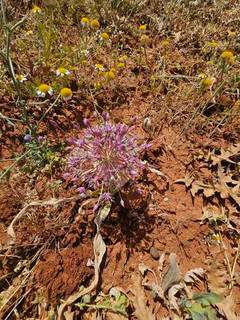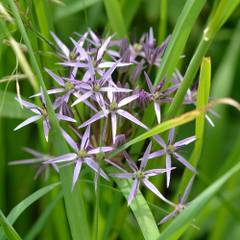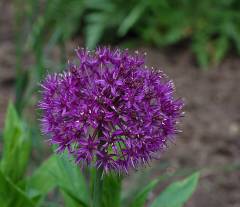
Allium, Genus, cernuum, Species,
- Genus & species
nodding onion
Overview
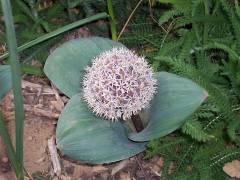
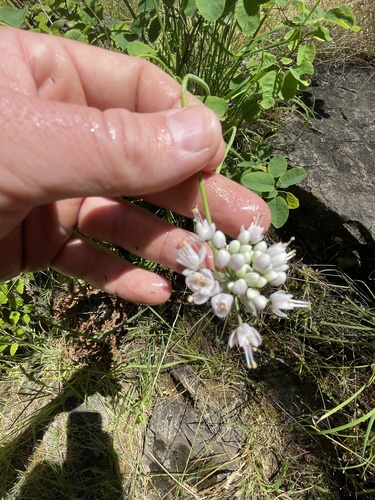
Allium cernuum is a bulbous perennial reaching 12–18 inches (30–45 cm) tall and 8–12 inches (20–30 cm) wide, growing from small, elongated bulbs 0.5–1 inch (1.3–2.5 cm) long. Leaves are flat, grass-like, 8–12 inches (20–30 cm) long and 0.25–0.5 inch (6–13 mm) wide, medium green, emerging from the base. Foliage has a mild onion scent when crushed. Flower stalks are slender and erect, bending sharply downward at the tip (cernuous) so that the umbel nods. Umbels are loose, 1–2 inches (2.5–5 cm) across, composed of 15–30 bell-shaped flowers in shades of pink to lavender, occasionally white. Bloom occurs July through August, with individual umbels lasting 2–3 weeks. Plants self-seed moderately in open, well-drained soils and also spread slowly by bulb offsets, forming small colonies over 3–5 years. Foliage yellows and goes dormant by late summer in dry conditions, leaving a gap in the planting by August. All parts are edible and have been used as a food plant by Indigenous peoples across North America. Bulb rot develops in waterlogged winter soils.
Native Range
Native across North America, found from British Columbia south to Mexico and east to the Atlantic coast. Grows in rocky prairies, open woodlands, dry slopes, and meadows from sea level to 10,000 feet (3,000 m) elevation. Range spans more than 40 US states and most Canadian provinces.Suggested Uses
Commonly planted in native plant gardens, prairie restorations, rock gardens, and meadow plantings at 6–8 inch (15–20 cm) spacing. Tolerates a range of soils from rocky slopes to clay loam. Summer dormancy limits use in borders where continuous foliage is needed; pair with later-emerging plants to fill gaps.How to Identify
Appearance
Size & Dimensions
Height1' - 1'6"
Width/Spread8" - 1'
Bloom Information
Flowers July through August in zones 3–8. Individual umbels last 2–3 weeks; total bloom period extends about 3 weeks. In zone 8, bloom may begin in late June. Flower color varies from pink to lavender across populations, with white-flowered forms occurring occasionally.
Detailed Descriptions
Flower Description
Pink to lavender, occasionally whiteFoliage Description
Medium green, flat, grass-like, basalGrowing Conditions
Sun Requirements
Requires 4-10 hours of direct sunlight daily
• Full Sun: 6+ hours of direct sunlight
• Partial Shade: 3-6 hours of direct sunlight
• Full Shade: Less than 3 hours of direct sunlight
Care & Maintenance
Care Guide
Water sparingly once established; plants are adapted to dry summer conditions and decline in consistently wet soils. Bulb rot develops in waterlogged winter conditions, particularly in heavy clay. Amend clay soils with coarse grit or sand at planting to improve drainage. No regular fertilization is required. Foliage goes dormant by late summer in dry conditions; interplant with later-emerging perennials to fill the gap. Self-seeding is moderate in open, well-drained sites; remove spent flower heads to control spread.Pruning
Cut back yellowed foliage and spent flower stalks in September–October as plants go dormant. No other pruning is required. In naturalized plantings, leave dried stalks in place through fall for seed dispersal and structural interest.Pruning Schedule
Prune: September–October
fall
Container Growing
Suitable for container growing
Minimum container size: 2 gallons