Leucanthemum, Genus, ×, Hybrid, superbum, Species, 'Alaska', Cultivar,
- Genus & species
- Hybrid
- Cultivar
Alaska shasta daisy
Hybrid origin (parent species native to Europe)
Overview
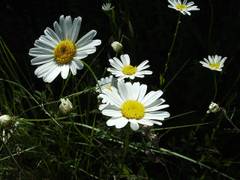
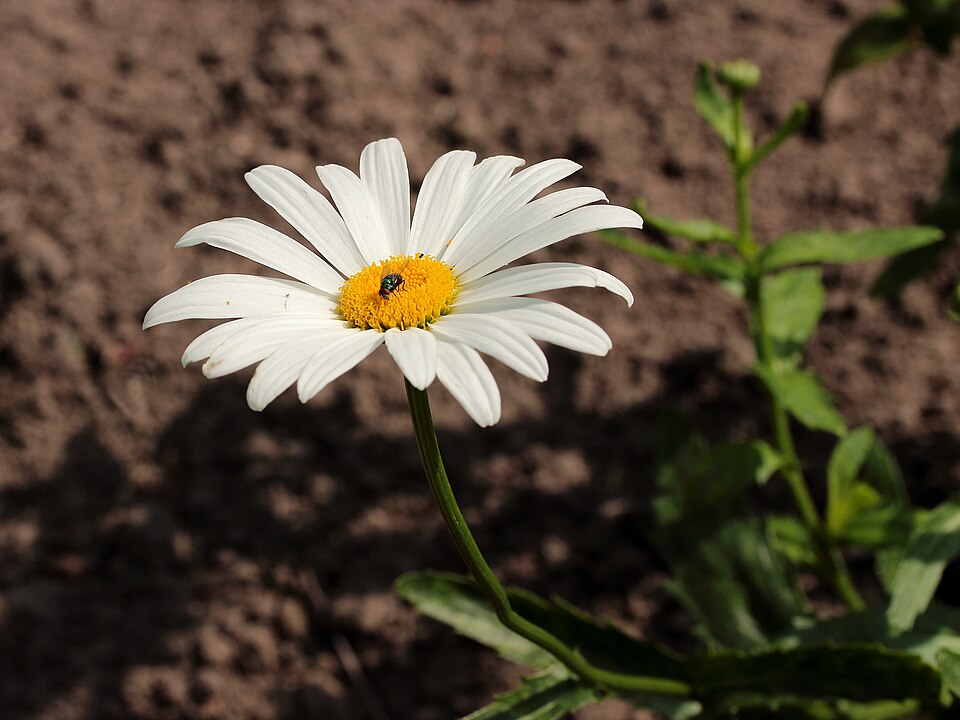
Leucanthemum × superbum 'Alaska' is an upright herbaceous perennial reaching 24-36 inches (60-90 cm) tall and 18-24 inches (45-60 cm) wide at maturity, forming a clump of dark green lance-shaped leaves with toothed margins, 4-6 inches (10-15 cm) long. Flowers are 2.5-3 inches (6-7.5 cm) across, single daisy form with pure white ray petals and a flat yellow disc center. Bloom occurs from mid June through August (8-10 weeks of flowering with deadheading; 6 weeks without). The cultivar was selected by Luther Burbank in California in the early 1900s and remains a reference cultivar for the Shasta Daisy class. Hardy in USDA zones 4-9, plants tolerate cold winters and brief summer drought once established. Plants form fibrous root systems and clumps expand by basal offsets at 2-4 inches (5-10 cm) per year. Aphids, slugs, and powdery mildew develop in stressed plantings, particularly in late summer humidity. Cut flowers last 7-10 days in arrangements. Pollinators including native bees, honeybees, and butterflies visit the open daisy flowers heavily. Foliage and flowers are slightly toxic to dogs and cats if eaten in quantity, causing gastrointestinal irritation.
Native Range
Leucanthemum × superbum is a hybrid cultivar originating in cultivation from crosses between L. lacustre (Portuguese Field Daisy), L. maximum (Pyrenean Daisy), and L. vulgare (Oxeye Daisy), all native to Europe. The cultivar 'Alaska' was bred by Luther Burbank in Santa Rosa, California and introduced commercially in 1904. It has remained in commerce continuously since 1904.Suggested Uses
Leucanthemum × superbum 'Alaska' is used in mixed perennial borders, cottage gardens, and cut-flower beds, spaced 18-24 inches (45-60 cm) apart for solid coverage. The white daisy is used as a contrast element with deeper-toned summer perennials like Salvia and Echinacea. Cut stems last 7-10 days in arrangements when harvested at the half-open flower stage.How to Identify
Appearance
Size & Dimensions
Height2' - 3'
Width/Spread1'6" - 2'
Bloom Information
Bloom begins in mid June in USDA zones 5-7, continuing through August with deadheading and into September in zones 7-8. Each flower lasts 7-10 days, with each plant producing 30-60 flowers in a typical season. Cutting back the main flush in mid August can produce a second smaller flush in September.
Detailed Descriptions
Flower Description
Pure white ray petals with flat yellow discFoliage Description
Dark green lance-shaped with toothed marginsGrowing Conditions
Sun Requirements
Requires 6-12 hours of direct sunlight daily
• Full Sun: 6+ hours of direct sunlight
• Partial Shade: 3-6 hours of direct sunlight
• Full Shade: Less than 3 hours of direct sunlight
Care & Maintenance
Care Guide
Leucanthemum × superbum 'Alaska' grows in full sun (6+ hours daily); partial shade reduces flowering by 30-50% and produces leggy stems. Soil tolerance is broad: any well-drained loam, sand, or amended clay with pH 6.0-7.5 supports growth. Watering during the first growing season supports establishment; mature plants tolerate drought of 2-3 weeks. Mulching with 2 inches (5 cm) of compost retains moisture and suppresses weeds. Light fertilization with a balanced fertilizer in spring supports flowering; high nitrogen produces lush foliage at the expense of flowers. Division every 3-4 years in early spring or autumn rejuvenates clumps and prevents centers from dying out.Pruning
Spent flowers are removed at the next leaf node below the bloom; deadheading extends flowering by 2-3 weeks. Cutting back the main flush by half in late July or early August triggers a smaller second flush in September. In autumn, foliage is cut back to 2-3 inches (5-7.5 cm) above ground after frost, with debris removed to reduce overwintering disease pressure.Pruning Schedule
Prune: July–August & November
summerfall
Container Growing
Suitable for container growing
Minimum container size: 2 gallons