Leucanthemum, Genus, ×, Hybrid, superbum, Species, 'Becky', Cultivar,
- Genus & species
- Hybrid
- Cultivar
Becky Shasta Daisy
Garden hybrid (Luther Burbank, California 1890; L. maximum × L. lacustre; 'Becky' selected by Mrs. B. Stewart, Georgia)
Overview
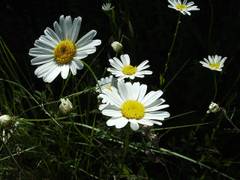
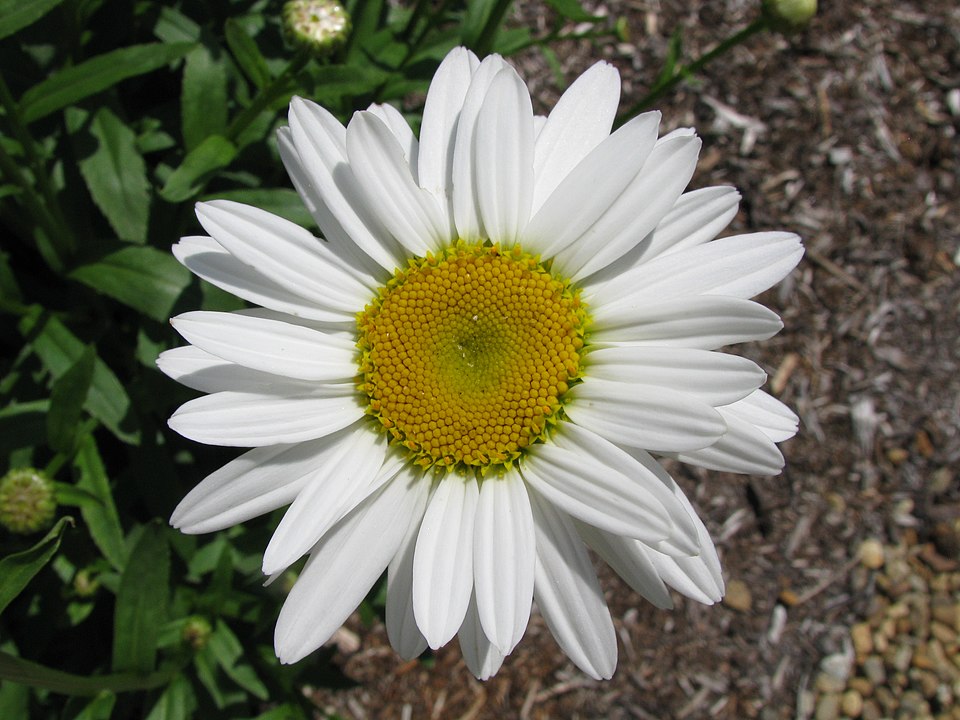
Leucanthemum × superbum 'Becky' is an upright clump-forming herbaceous perennial reaching 36–42 inches (90–107 cm) tall with a spread of 24–30 inches (60–75 cm). This Shasta daisy cultivar carries the typical single-flowered form of the garden hybrid group—a single row of white ray florets surrounding a golden-yellow central disc, with individual flower heads 3–4 inches (8–10 cm) across—on stems that run notably stiff and self-supporting at the cultivar's 3-foot-plus mature height. The stem strength is the cultivar's defining horticultural improvement over other tall Shasta daisies: plants of similar height in this hybrid group typically flop under the weight of open flowers and require staking, while 'Becky' stems stand upright through summer rains and garden winds without mechanical support. Bloom runs from July through September across an 8–10 week window with regular deadheading. Glossy dark green lance-shaped toothed leaves 3–6 inches (8–15 cm) long form a basal rosette, with stem leaves decreasing in size upward along the flowering stems. The Perennial Plant Association named 'Becky' Perennial Plant of the Year in 2003. Growth rate is moderate. Hardy to zone 4.
Native Range
Leucanthemum × superbum is a hybrid of garden origin, first created by Luther Burbank in California in 1890 through crosses between Leucanthemum maximum from the Pyrenees and Leucanthemum lacustre from Portugal. 'Becky' is a cultivar selection made by Mrs. Becky Stewart of Decatur, Georgia, and introduced to commercial cultivation in the late 20th century. The cultivar's recognition as Perennial Plant of the Year in 2003 by the Perennial Plant Association drove its broad distribution through North American nursery trade.Suggested Uses
Planted in sunny borders, cottage gardens, and cutting gardens at 24–30 inch (60–75 cm) spacing in zone-4-and-warmer gardens. The single typical white-daisy form carries nostalgic cottage-garden and farmhouse design character, and the long 8–10 week summer bloom window supplies reliable summer color in a familiar form. Self-supporting stems eliminate the staking that many tall Shasta daisy cultivars need, which reduces maintenance infrastructure in borders where staking is impractical. Short-lived perennial habit means regular division every 2–3 years is part of the cultivar's routine care. Winter herbaceous dieback leaves bare ground through the cold months. Wet soils, deep shade, and garden positions where long-term permanence without maintenance is required are poor fits for the cultivar.How to Identify
Appearance
Size & Dimensions
Height3' - 3'6"
Width/Spread2' - 2'6"
Bloom Information
Single white daisy flowers 3–4 inches (8–10 cm) across with a golden-yellow central disc open on sturdy upright stems from July through September. Bloom timing runs later than many Shasta daisy cultivars (July start versus June for 'Alaska' and similar early-blooming selections), which extends the Shasta daisy season in gardens where multiple cultivars are planted together. Active bloom duration is 8–10 weeks with regular deadheading; undeadheaded plants set seed and reduce to a shorter 6-week bloom window.
Detailed Descriptions
Flower Description
White single ray florets with golden-yellow central disc; 3-4 inches; standard daisy formFoliage Description
Glossy dark green, lance-shaped, toothed, 3-6 inches; basal rosette with stem leaves decreasing upwardGrowing Conditions
Sun Requirements
Requires 6-10 hours of direct sunlight daily
• Full Sun: 6+ hours of direct sunlight
• Partial Shade: 3-6 hours of direct sunlight
• Full Shade: Less than 3 hours of direct sunlight
Care & Maintenance
Care Guide
Full sun in average well-drained soil (pH 6.0–7.5) matches the cultivar's cultivation needs. Hardy to zone 4 (−30°F / −34°C). The self-supporting stems hold their upright form through summer weather without staking or support infrastructure. Regular deadheading of spent flowers extends the bloom window through September; deadheaded plants continue to push new flower stems while seed-set plants slow their flowering as resources redirect to seed maturation. Division every 2–3 years in spring maintains the cultivar's vigor—Shasta daisies run short-lived as a group, and established clumps decline from the center outward without regular division. The woody clump center is discarded during division and only vigorous outer sections are replanted.Pruning
Deadheading spent flowers regularly through the bloom window encourages continued flowering and extends the cultivar's bloom into September. All stems are cut back to basal foliage after killing frost in autumn (November) or alternatively in early spring (March) before new growth emerges. Clump division every 2–3 years in spring removes the declining woody center and replants only the vigorous outer crown sections, maintaining long-term vigor across the cultivar's typically short perennial lifespan.Pruning Schedule
Prune: March & November
fallearly spring
Container Growing
Suitable for container growing
Minimum container size: 5 gallons