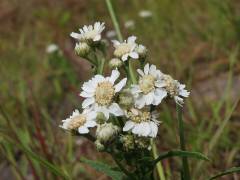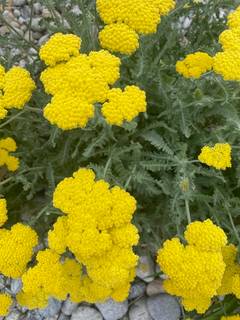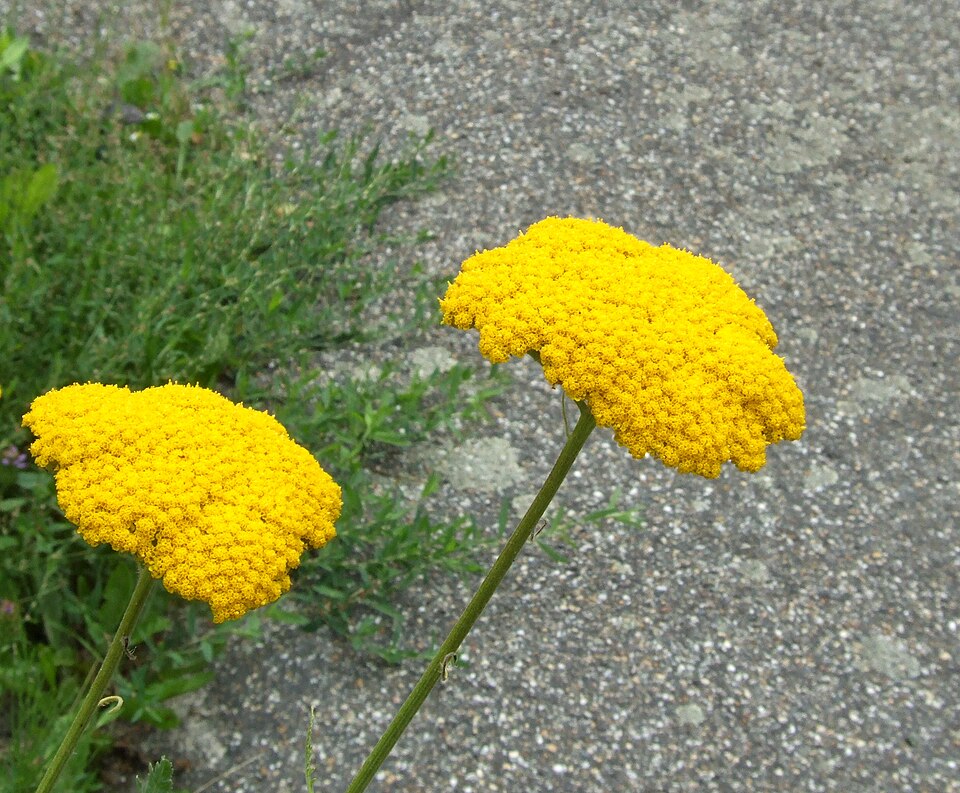
Achillea, Genus, ×, Hybrid, 'Moonshine', Cultivar,
- Genus
- Hybrid
- Cultivar
moonshine yarrow
Garden hybrid; parentage includes {Achillea clypeolata} × {A. taygetea}
Overview
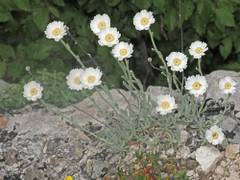
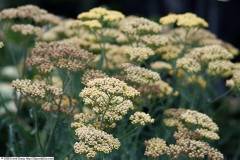
Achillea × 'Moonshine' is a hybrid yarrow forming a clump 18–24 inches (45–60 cm) tall and wide, raised by Alan Bloom in the mid-twentieth century from a cross between A. clypeolata and A. taygetea. The foliage is silver-gray and finely dissected, holding colour through much of winter in zones 7–9 and giving year-round leaf interest. Flat-topped corymbs of lemon-yellow florets open from late May into August on erect stems above the foliage mound. Flower colour holds in cooler climates but bleaches to pale straw under sustained temperatures above 90°F (32°C). In rich, moist soils the silver foliage greens up and the stems elongate and lean, reducing the self-supporting habit; sharp drainage and lean ground produce the most compact growth and the strongest silver leaf tone. Established plants tolerate extended drought across USDA zones 3–9. The aromatic foliage is generally avoided by deer and releases a mild herbal scent when brushed. Rhizomes expand outward at a moderate rate, and division every 3–4 years prevents the centre of the clump from dying out. All plant parts contain sesquiterpene lactones with reported toxicity to dogs and cats.
Native Range
Achillea × 'Moonshine' is a garden hybrid raised by the British nurseryman Alan Bloom in the mid-twentieth century at Bressingham Gardens in Norfolk, England. Its parent species A. clypeolata and A. taygetea are native to southeastern Europe and the mountains of Greece and Turkey respectively.Suggested Uses
Used in mixed borders as a mid-height filler between taller grasses and lower edging plants. The silver foliage gives contrast alongside green- or purple-leaved perennials. Suited to dry borders, gravel gardens, slopes, and xeriscaped beds. Container culture works in pots of 3 gallons (11 L) or more with fast-draining media.How to Identify
Appearance
Size & Dimensions
Height1'6" - 2'
Width/Spread1'6" - 2'
Bloom Information
Flowering begins in late May and continues through August. Each corymb holds lemon-yellow colour for 2–3 weeks before fading to straw. Shearing the first flush of spent flowers in early July stimulates lateral buds and produces a lighter second bloom in late summer. In hot-summer regions, bloom may pause during peak heat and resume as nights cool.
Detailed Descriptions
Foliage Description
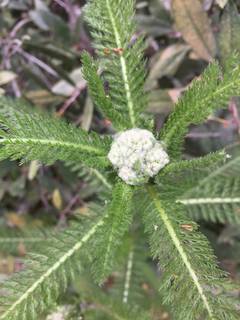
Silver-gray, finely dissectedGrowing Conditions
Sun Requirements
Requires 6-10 hours of direct sunlight daily
• Full Sun: 6+ hours of direct sunlight
• Partial Shade: 3-6 hours of direct sunlight
• Full Shade: Less than 3 hours of direct sunlight
Care & Maintenance
Care Guide
Site in full sun with a minimum of 6 hours of direct light daily. Lean, well-drained soil is required; enriched or heavy soils reduce silver foliage colour and cause floppy growth. Water regularly during the first growing season for root establishment, then supply only supplemental irrigation during extended drought. Fertilizer is unnecessary and degrades habit and leaf colour. Divide clumps every 3–4 years in early spring, discarding the woody centre and replanting vigorous outer sections. Cut all top growth to 2–3 inches (5–8 cm) above the crown in late winter before new silver leaves emerge.Pruning
Shear spent corymbs back to the silver foliage mound after the first bloom flush. In late winter, cut the entire plant to 2–3 inches (5–8 cm) above ground level. No formal shaping is needed; the mounding habit holds in lean soils.Pruning Schedule
Prune: March–April
early spring
Container Growing
Suitable for container growing
Minimum container size: 3 gallons