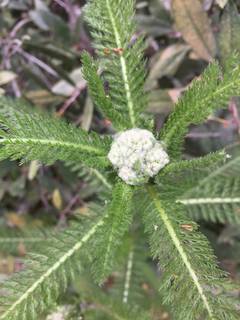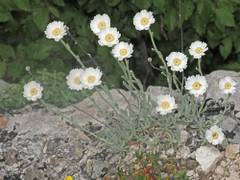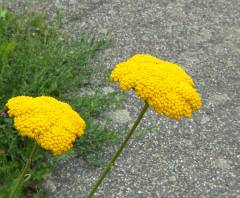
Achillea, Genus, millefolium, Species, 'Cerise Queen', Cultivar,
- Genus & species
- Cultivar
cerise queen yarrow
Overview
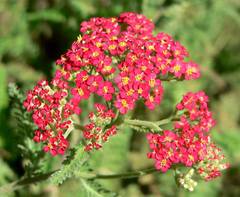
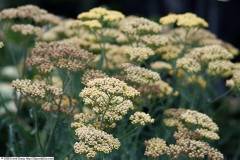
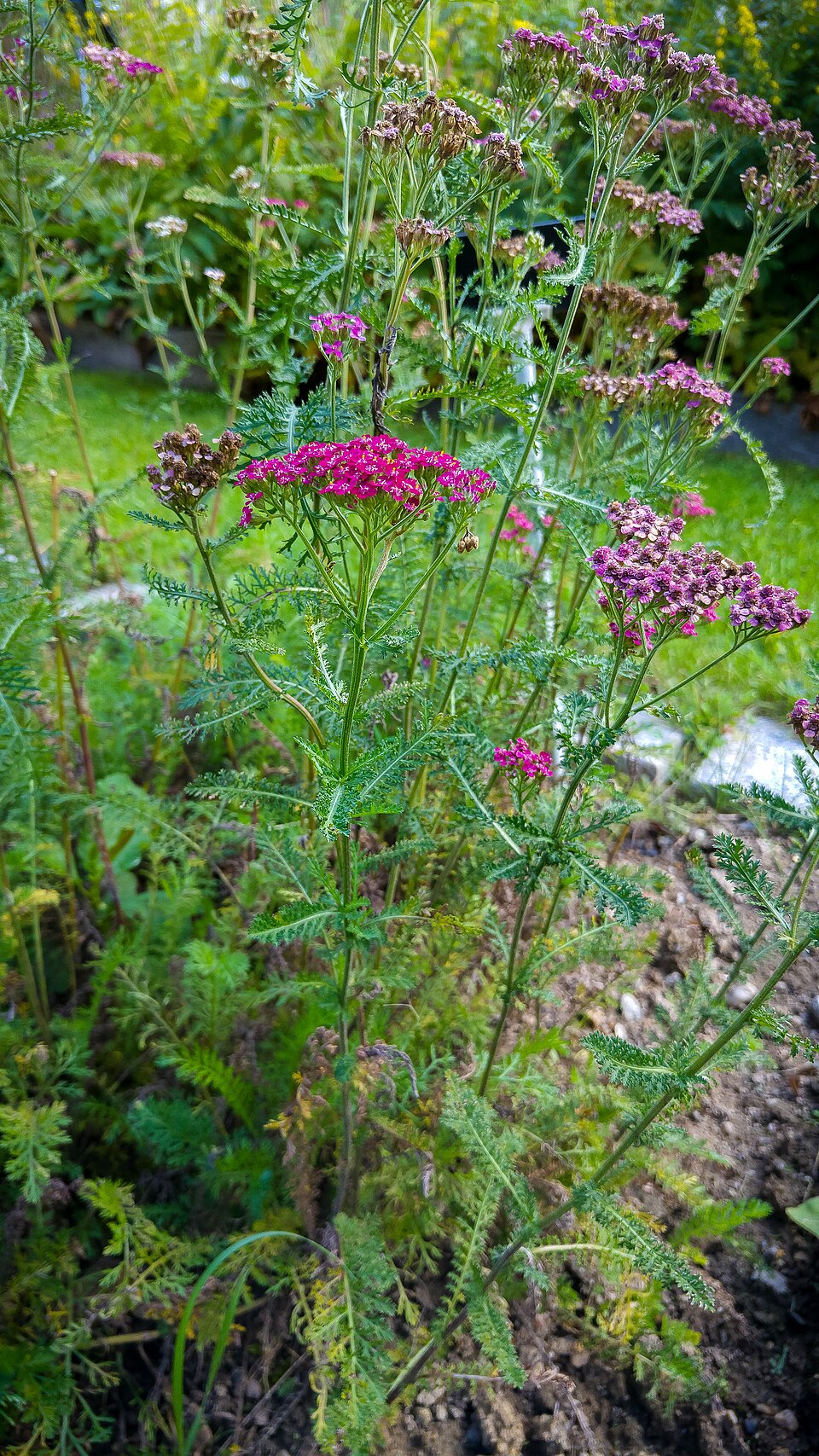
Achillea millefolium 'Cerise Queen' is a herbaceous perennial in the Asteraceae family, growing 24-30 inches (60-75 cm) tall and spreading 18-24 inches (45-60 cm) wide. The cultivar produces flat-topped flower clusters (corymbs) measuring 2-4 inches (5-10 cm) across, composed of many small cerise-pink florets with paler centers. Flowering occurs from June through August, with color fading toward dusty pink as blooms age. Foliage is finely divided and fern-like, gray-green, and aromatic when crushed, with leaves 3-5 inches (8-13 cm) long arranged along upright stems. The plant spreads by rhizomes and can form colonies 24 inches (60 cm) or more across within two to three seasons, which may crowd slower-growing neighbors. Stems can flop in rich soil or shade, particularly after rain. The cultivar tolerates poor, dry soils and is hardy in USDA zones 3 through 9. Its flower color is less stable than some named yarrow cultivars and seedlings often revert to paler shades, so division rather than seed maintains the cerise tone. Flowers draw bees, hoverflies, and butterflies through summer, and stems are commonly cut for fresh and dried arrangements. Deer and rabbits tend to pass over the aromatic foliage. The species is native across Europe, Asia, and North America; this cultivar is grown in temperate gardens worldwide.
Native Range
Achillea millefolium is native to temperate regions of Europe, Asia, and North America, where it grows in meadows, grasslands, and along roadsides. 'Cerise Queen' is a cultivated selection grown in gardens rather than a wild form.Suggested Uses
Grown in mixed borders, cottage gardens, wildflower meadows, and pollinator plantings, spaced 18-24 inches (45-60 cm) apart. Stems are cut for fresh and dried floral arrangements. The drought tolerance suits gravel gardens and dry sunny banks.How to Identify
Appearance
Size & Dimensions
Height2' - 2'6"
Width/Spread1'6" - 2'
Colors
Bloom Information
Blooms from June through August in most temperate zones, with peak flowering in early to midsummer. Individual corymbs hold color for three to four weeks before fading to dusty pink. Cutting spent stems can prompt a lighter second flush into September.
Detailed Descriptions
Flower Description
Cerise-pink fading to dusty pinkFoliage Description
Gray-greenGrowing Conditions
Sun Requirements
Requires 6-12 hours of direct sunlight daily
• Full Sun: 6+ hours of direct sunlight
• Partial Shade: 3-6 hours of direct sunlight
• Full Shade: Less than 3 hours of direct sunlight
Care & Maintenance
Care Guide
Grows in full sun and well-drained soil, tolerating poor, sandy, or rocky ground and drought once established. Rich or heavily fertilized soil produces lax stems that bend under flower weight. Water needs are low, and overwatering encourages root rot and stem flop. Plants spread by rhizomes and respond to division every two to three years to control spread and maintain vigor. In USDA zones 3 through 9 the plant is fully cold hardy and dies back to a basal rosette in winter. The aromatic foliage is generally passed over by deer and rabbits.Pruning
Spent flower stems are cut back to the basal foliage after blooming to limit self-seeding and encourage a second flush. The whole plant is cut to the ground in late autumn or early spring as old growth dies back. Dividing clumps in spring or autumn keeps colonies from overtaking adjacent plants.Pruning Schedule
Prune: August–September & November
summerfall
Container Growing
Suitable for container growing
Minimum container size: 2 gallons