Yucca, Genus, gigantea, Species,
- Genus & species
Spineless yucca
Overview
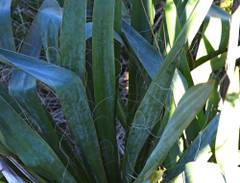
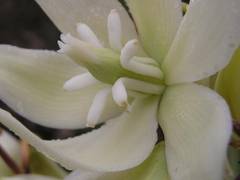
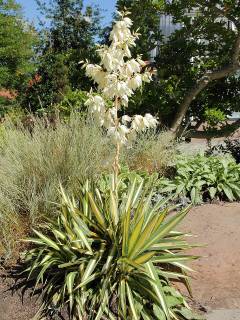
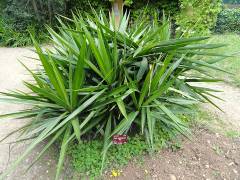
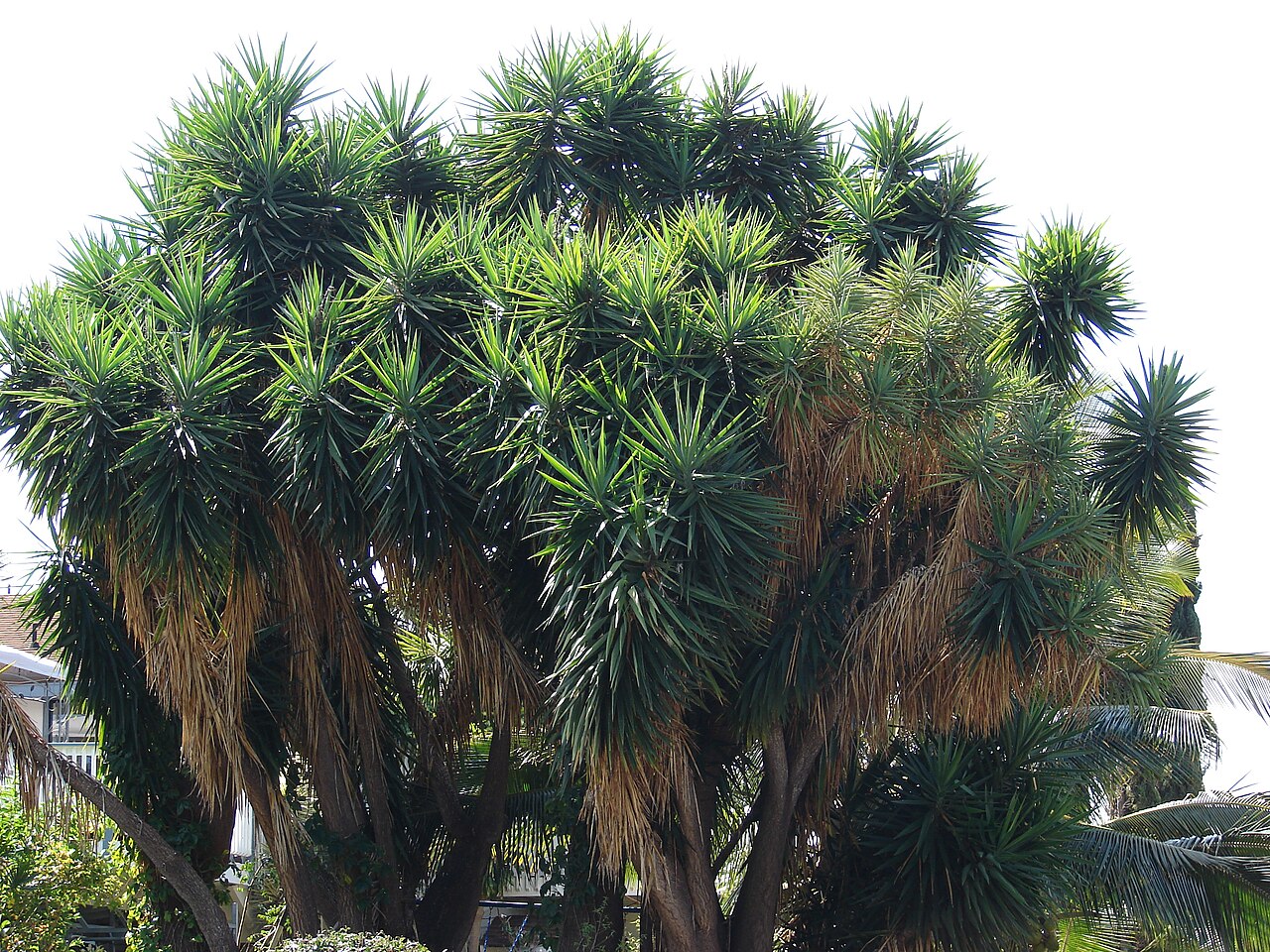
Yucca gigantea is an evergreen, tree-like shrub in the asparagus family (Asparagaceae), forming one to several thick trunks 10–30 feet (3–9 m) tall with a spread of 6–15 feet (1.8–4.6 m). Trunks are gray-brown, thickened at the base, and covered in a ringed, corky bark with age. Leaves are borne in dense rosettes at the stem tips and are sword-shaped, 24–48 inches (60–120 cm) long and 2–3 inches (5–7.5 cm) wide, dark green, leathery, and flexible, with tips that lack the sharp terminal spine common in the genus. Lower leaves droop and die back, forming a skirt of dry leaves on the upper trunk. Bell-shaped, cream-white flowers 2–3 inches (5–7.5 cm) long open in upright to drooping panicles 24–36 inches (60–90 cm) long, from summer into fall. Fruits are fleshy, oblong capsules 2–3 inches (5–7.5 cm) long. Growth is 6–18 inches (15–45 cm) per year in warm climates. Plants are damaged at 20°F (−7°C) and rot in wet soil. All parts contain saponins, which are toxic if eaten by pets.
Native Range
Yucca gigantea is native to southern Mexico and Central America, including Guatemala, El Salvador, and Honduras. It grows in dry forests, scrub, and rocky slopes at elevations from sea level to 5,000 feet (1,500 m) in seasonally dry tropical climates.Suggested Uses
Used as a specimen in courtyards, containers, and dry gardens in warm climates, with plants spaced 6–10 feet (1.8–3 m) apart. Plants are grown indoors as a long-lived container plant and can reach 6–10 feet (1.8–3 m) in height. Flowers are visited by bees and moths.How to Identify
Appearance
Size & Dimensions
Height10' - 30'
Width/Spread6' - 15'
Bloom Information
Detailed Descriptions
Foliage Description
Dark greenGrowing Conditions
Sun Requirements
Requires 4-10 hours of direct sunlight daily
• Full Sun: 6+ hours of direct sunlight
• Partial Shade: 3-6 hours of direct sunlight
• Full Shade: Less than 3 hours of direct sunlight
Care & Maintenance
Care Guide
Grows in full sun to part shade in well-drained, sandy or rocky soil with a pH of 6.0–8.0. Hardy in USDA zones 9–11, with leaf damage at 20°F (−7°C). Established plants tolerate drought and receive about 0.5–1 inch (13–25 mm) of water every 2–3 weeks in summer. Soil that stays wet causes trunk and root rot. Container plants are grown indoors in bright light with 4–6 hours of sun and repotted every 3–4 years. Scale, mealybugs, and spider mites occur on indoor plants, and leaf tips brown in dry indoor air.Pruning
Dead and brown leaves are removed from the lower trunk by cutting at the base with a sharp knife or pruning saw throughout the year. Trunks are cut to a desired height in spring, and new shoots emerge below the cut within 6–10 weeks. Spent flower panicles are cut at the base after bloom.Pruning Schedule
Prune: March–April
early springlate spring
Container Growing
Suitable for container growing
Minimum container size: 10 gallons