Yucca, Genus, filamentosa, Species, 'Color Guard', Cultivar,
- Genus & species
- Cultivar
color guard yucca
Southeastern United States — New Jersey south to Florida, west to Oklahoma and Texas; sandy coastal plains, roadsides, and open woodlands
Overview
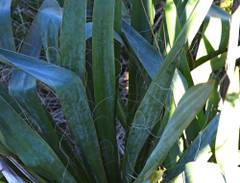
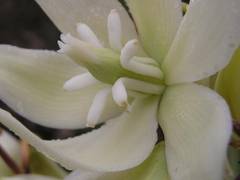
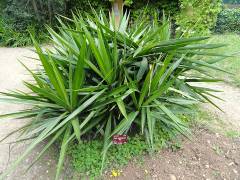
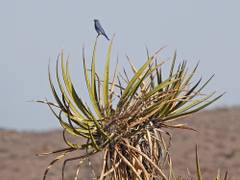
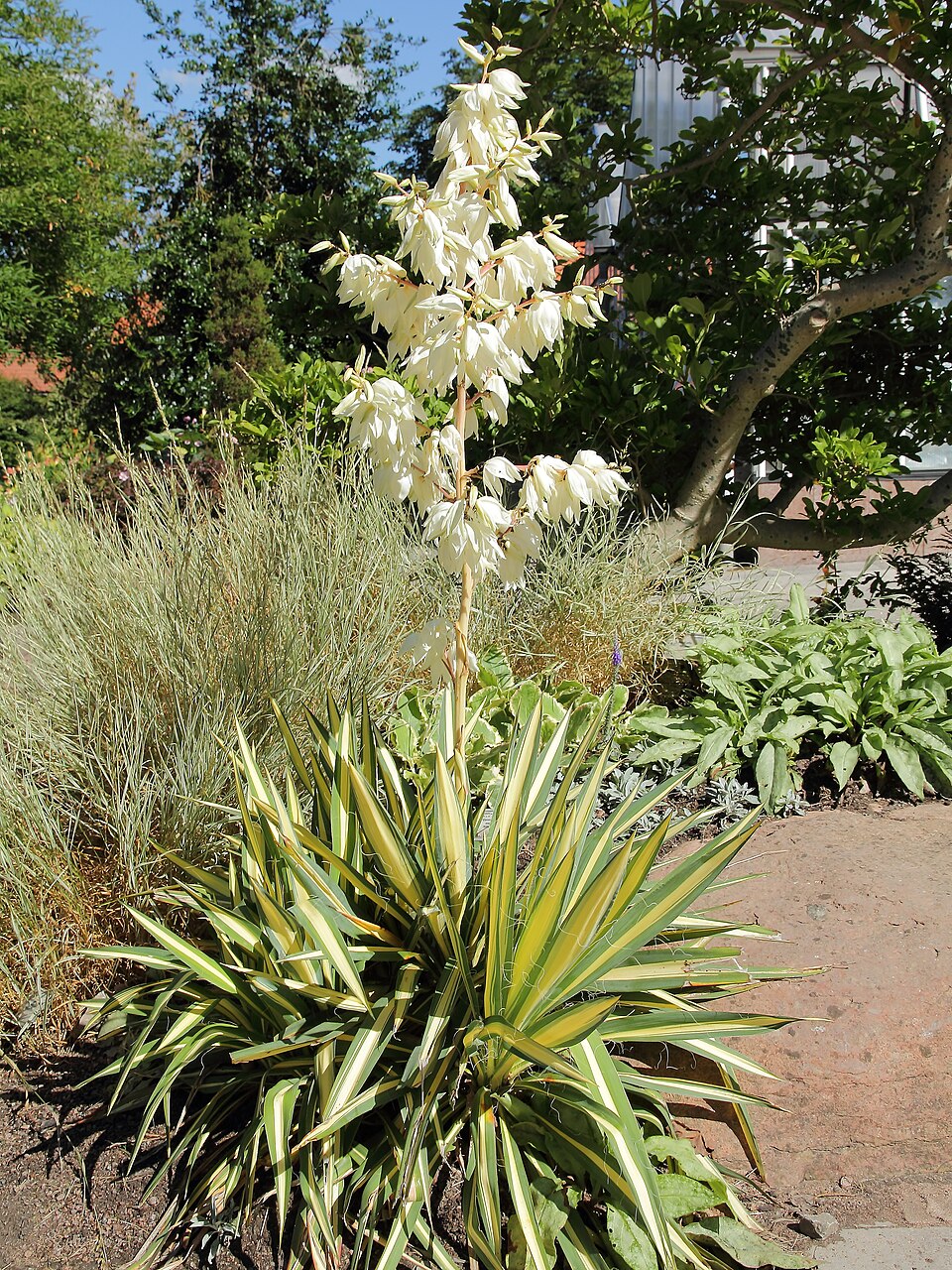
Yucca filamentosa 'Color Guard' is a stemless rosette-forming evergreen perennial growing 2–3 feet (60–90 cm) tall and 3–4 feet (0.9–1.2 m) wide at the rosette, with erect flower stalks extending 4–6 feet (1.2–1.8 m) above the foliage in summer. Stiff lance-shaped leaves 18–30 inches (45–75 cm) long carry a creamy yellow to gold central stripe with green margins; the yellow stripe intensifies to rose-pink and red tones in cold winter temperatures and returns to yellow-gold in spring. Thread-like curly white filaments along the leaf margins are characteristic of the species Y. filamentosa (filamentosa = bearing threads). Leaf tips end in a sharp terminal spine. Tall branching panicles of pendant creamy white bell-shaped flowers 1.5–2 inches (3.8–5 cm) appear in June–July on mature plants (typically 3+ years old); plants may not flower every year. The species belongs to Asparagaceae. Native to the southeastern United States, from New Jersey south to Florida and west to Oklahoma and Texas, in sandy well-drained soils. Spreads slowly by basal offsets. Sharp drainage is required — waterlogged soils cause crown rot. The sharp terminal leaf spines are a siting consideration near pathways and play areas. All plant parts are toxic to people and pets if ingested. Drought-tolerant once established. Deer-resistant. Hardy in zones 4–11.
Native Range
Species native to the southeastern United States, from New Jersey south to Florida and west to Oklahoma and Texas, in sandy well-drained soils on coastal plains, roadsides, and open woodlands. 'Color Guard' is of garden origin.Suggested Uses
Used as a specimen in dry borders, rock gardens, gravel gardens, Mediterranean-style plantings, and in containers of at least 5 gallons (19 L), spaced 3–4 feet (0.9–1.2 m). The bold spiky rosette and year-round gold-and-green variegation with winter rose-pink tones supply textural contrast with soft-leaved plants. The sharp terminal leaf spines are a siting consideration near pathways. Zones 4–11.How to Identify
Appearance
Size & Dimensions
Height2' - 6'
Width/Spread3' - 4'
Bloom Information
Summer (June–July) on mature plants (typically 3+ years old). Tall branching panicles 4–6 feet (1.2–1.8 m) bearing pendant creamy white bell-shaped flowers 1.5–2 inches (3.8–5 cm). Bloom lasts 3–5 weeks. Plants may not flower every year.
Detailed Descriptions
Flower Description
Creamy white; bell-shaped; pendant; 1.5-2 inches (3.8-5 cm); in tall branching panicles 4-6 feet (1.2-1.8 m) above the foliage; June-July on mature plantsFoliage Description
Creamy yellow-gold central stripe with green margins; rose-pink to red winter tones on the yellow stripe; curly white filaments on leaf edges; stiff; lance-shaped; 18-30 inches (45-75 cm); sharp terminal spineGrowing Conditions
Sun Requirements
Requires 6-12 hours of direct sunlight daily
• Full Sun: 6+ hours of direct sunlight
• Partial Shade: 3-6 hours of direct sunlight
• Full Shade: Less than 3 hours of direct sunlight
Care & Maintenance
Care Guide
Grows in full sun with 6–12 hours of direct light. Sharp drainage is required — waterlogged soils cause crown rot and plant death. Tolerates sandy, rocky, and poor soils at pH 5.5–8.0. Drought-tolerant once established; supplemental water is rarely needed after the first growing season. No fertilization required. The sharp terminal leaf spines are a siting consideration near pathways and play areas. All plant parts are toxic to people and pets if ingested. Deer-resistant. Suitable for zones 4–11.Pruning
Remove dead leaves from the base of the rosette as they accumulate, using thick gloves — the leaf tips bear sharp spines. Cut spent flower stalks to the base after bloom. Green rosette leaves are not removed; removal reduces vigor and variegation. Basal offsets can be divided in spring if spread control is needed.Pruning Schedule
Prune: March–April
early spring
Container Growing
Suitable for container growing
Minimum container size: 5 gallons